
Losing weight does not require giving up rice, roti or every food you enjoy. A useful weight-loss diet is one that creates a manageable energy deficit while still providing enough protein, fibre and essential nutrients to support your health.
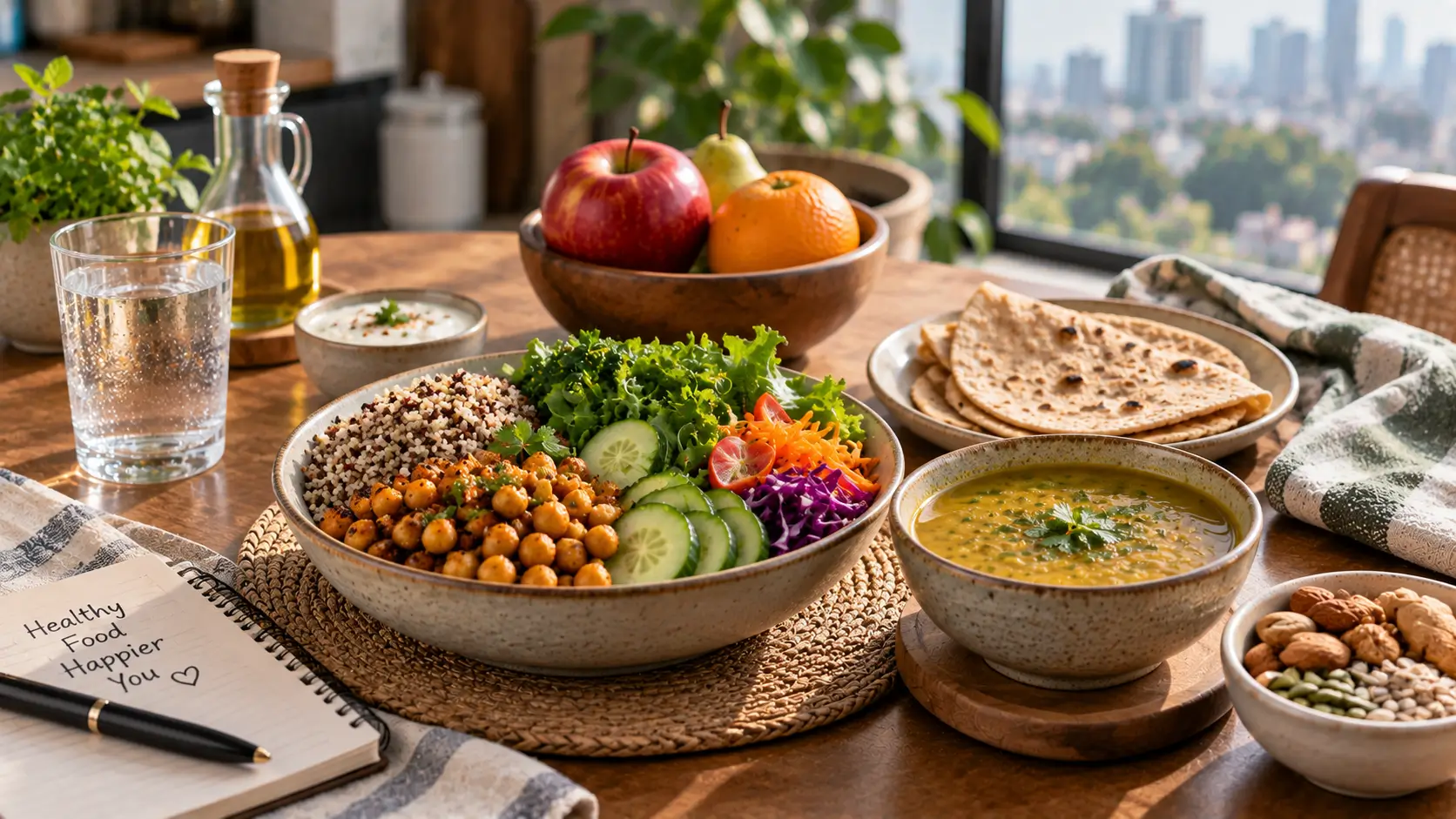
For Indian adults, this can be built around familiar foods such as dal, rajma, chana, vegetables, fruit, curd, eggs, fish, paneer, roti, rice and other whole or minimally processed foods. The goal is not to find one “fat-burning” food or follow a seven-day crash diet. It is to create an eating pattern you can continue.
Quick Answer
A healthy diet plan for weight loss should emphasize vegetables, fruit, pulses, appropriate protein sources, whole or minimally refined grains and sensible portions. Foods and drinks high in added sugar, excess sodium, unhealthy fats and calories should generally be limited.
Weight loss usually requires taking in less energy than the body uses, but the amount needed varies between people. Age, body size, activity, sleep, medications, medical conditions and other factors can affect weight management.
What Does a Weight-Loss Diet Actually Mean?
A weight-loss diet is not necessarily a “low-carb,” “no-sugar” or “high-protein” diet.
The central principle is energy balance. If energy intake remains below energy expenditure over time, body weight generally decreases. However, nutrition quality still matters.
A diet that produces weight loss by providing very little food may not be nutritionally adequate or sustainable.
A better approach is to make ordinary meals more filling and nutrient-dense while reducing unnecessary sources of calories.
That might mean:
- More vegetables at lunch and dinner
- A protein source at meals
- Whole fruit instead of fruit juice
- Smaller portions of calorie-dense foods
- Fewer sugary drinks
- Less frequent deep-fried snacks
- More minimally processed foods
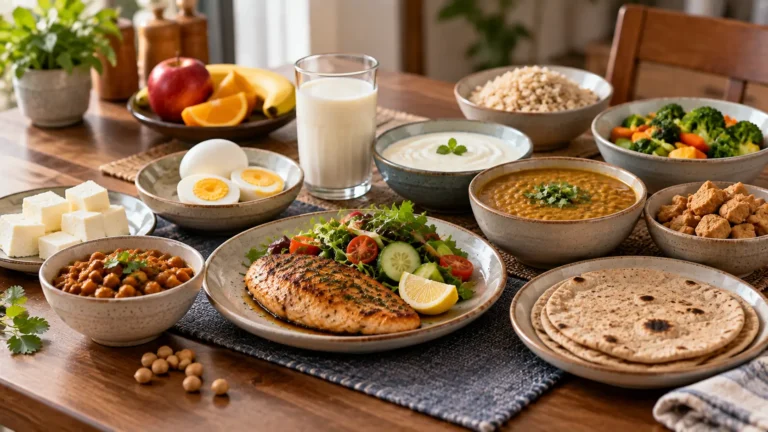
How to Build an Indian Weight-Loss Plate
You do not need to calculate every calorie to improve your meals.
Start by asking four questions:
1. Where are my vegetables?
Add seasonal vegetables, leafy greens, salad or other vegetable preparations to the meal.
2. Where is my protein?
Depending on your diet, this could be dal, rajma, chana, soy foods, curd, paneer, eggs, fish, chicken or another suitable protein source.
3. What is my carbohydrate portion?
Rice, roti, oats, millets and other grains can fit into a weight-loss diet. The issue is usually the overall portion and meal composition, not whether one carbohydrate is automatically “bad.”
4. How much added fat is being used?
Cooking oils, ghee, butter, nuts and seeds can be nutritious but are energy-dense. More is not automatically better.
Protein Matters, But More Is Not Always Better
Protein helps maintain normal body tissues and is particularly important when weight loss is combined with physical activity.
Indian meals can provide protein without relying entirely on supplements.
Useful choices include:
- Dal
- Rajma
- Chana
- Soy foods
- Curd
- Paneer
- Eggs
- Fish
- Chicken
- Other suitable legumes or animal foods
The amount a person needs depends on factors such as body size, age, activity level and health status. People with kidney disease or other conditions affecting protein intake should obtain individualized advice rather than following a generic high-protein plan.
Do You Have to Stop Eating Rice or Roti?
No.
Rice and roti can both fit into a balanced weight-loss diet.
A common problem is not the existence of carbohydrates but the overall size and composition of the meal. A large serving of rice accompanied by little protein and few vegetables may be less filling than a more balanced meal.
Instead of declaring rice or roti forbidden, consider:
- using a sensible portion
- adding vegetables
- including dal or another protein source
- limiting calorie-heavy additions
- choosing whole-grain or less-refined options when practical
This approach is usually easier to maintain than eliminating a staple food entirely.
Foods to Prioritize More Often
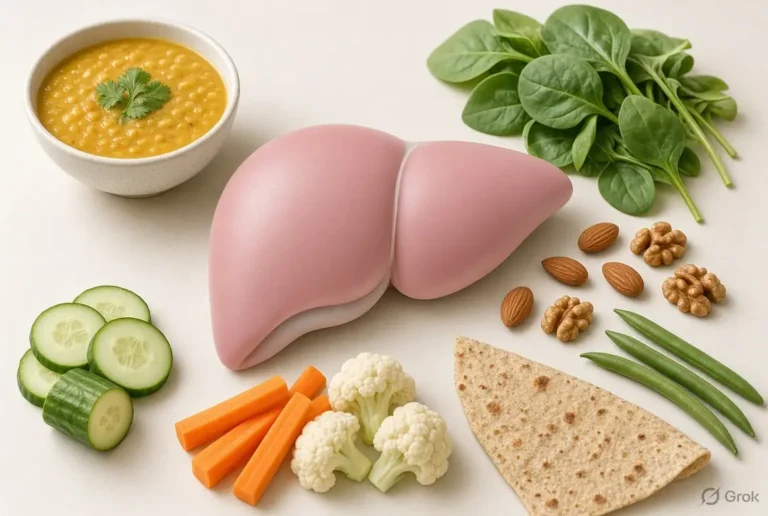
A practical weight-loss pattern can include:
Vegetables
Choose a variety of seasonal vegetables rather than relying on one “superfood.”
Whole fruits
Fruit provides nutrients and fibre. Whole fruit is generally more useful than turning fruit into juice because juice can make it easier to consume more calories without the same food volume.
Pulses and legumes
Dal, rajma, chana and other legumes provide protein, carbohydrate, fibre and micronutrients.
Whole or minimally refined grains
Options can include oats, whole-wheat roti, brown rice and other whole grains according to preference and availability.
Nuts and seeds
Almonds, walnuts, peanuts, flaxseed and other nuts or seeds can be nutritious, but portions matter because these foods are energy-dense.
Unsweetened or lower-sugar dairy options
Curd and other suitable dairy foods can contribute protein and other nutrients.
Foods and Drinks to Limit
Weight loss does not require a list of permanently forbidden foods.
Instead, pay particular attention to foods and drinks that can add substantial calories without providing much nutritional value.
These may include:
- sugary soft drinks
- frequent sweets and desserts
- highly processed snack foods
- frequent deep-fried foods
- large portions of calorie-dense sauces or spreads
- heavily sweetened beverages
- frequent alcohol consumption
You can still enjoy foods you like. The important question is how frequently they appear and how they fit into the overall dietary pattern.
A Simple 7-Day Indian Meal Framework
This is a general framework, not a personalized prescription. Portions should be adjusted according to individual nutritional needs.
Day 1
Breakfast: Vegetable poha with curd
Lunch: Roti, dal, mixed vegetables and salad
Snack: Whole fruit
Dinner: Vegetables with paneer, eggs, fish or another suitable protein
Day 2
Breakfast: Oats with milk or curd and fruit
Lunch: Rajma with a sensible rice portion and vegetables
Snack: Roasted chana
Dinner: Roti, dal and vegetable sabzi
Day 3
Breakfast: Eggs or paneer with whole-grain toast and fruit
Lunch: Chana or dal with roti and vegetables
Snack: Fruit and a small portion of nuts
Dinner: Rice or roti with vegetables and a protein source
Day 4
Breakfast: Vegetable upma with curd
Lunch: Dal, roti, vegetables and salad
Snack: Plain curd with fruit
Dinner: Paneer, tofu, eggs, fish or chicken with vegetables and a suitable grain portion
Day 5
Breakfast: Oats with fruit and nuts
Lunch: Chole with roti and vegetables
Snack: Whole fruit
Dinner: Dal, vegetables and a moderate rice or roti portion
Day 6
Breakfast: Vegetable dosa or idli with sambar
Lunch: Rice, dal, vegetables and curd
Snack: Roasted chana or fruit
Dinner: Roti with vegetables and a protein-rich dish
Day 7
Breakfast: Eggs or paneer with fruit and whole-grain toast
Lunch: Rajma or dal with rice, vegetables and curd
Snack: Fruit with a small portion of nuts
Dinner: A simple home-cooked meal containing vegetables, protein and an appropriate grain portion
The purpose of this framework is not to prescribe seven perfect menus. It demonstrates how familiar Indian foods can be combined into balanced meals.
What About Exercise, Sleep and Stress?
Food is important, but weight management does not happen in isolation.
Regular physical activity helps increase energy expenditure and provides health benefits beyond weight loss. Adults are generally advised to work toward at least 150 minutes of moderate-intensity aerobic activity each week, together with muscle-strengthening activity on at least two days when appropriate.
If you are currently inactive, start gradually.
Sleep and stress also matter. Poor sleep, chronic stress, medications, medical conditions and environmental factors can all influence weight management.
This is one reason why blaming weight entirely on “willpower” is overly simplistic.
Common Weight-Loss Mistakes
Cutting out entire food groups
Eliminating carbohydrates or fats is not automatically necessary.
Eating unlimited “healthy” foods
Nuts, nut butter, oils, dried fruit and large portions of whole grains can still provide substantial calories.
Drinking calories without noticing
Sugary tea, coffee, soft drinks, shakes and juices can add significant energy.
Chasing rapid results
A dramatic change on the scale is not necessarily equivalent to an equivalent amount of body-fat loss.
Changing diets every week
A sustainable plan is usually more useful than constantly switching between restrictive diets.
Treating supplements as shortcuts
Weight-loss supplements are not a substitute for an appropriate dietary pattern and physical activity.
When Should You Talk to a Healthcare Professional?
Consider individualized professional advice if you have:
- diabetes or prediabetes
- kidney disease
- cardiovascular disease
- significant obesity
- pregnancy or breastfeeding
- an eating disorder or concerns about disordered eating
- medications that may affect body weight
- unexplained weight loss or weight gain
- repeated difficulty losing weight despite sustained lifestyle changes
Some people may benefit from structured weight-management programmes or medical treatments. Those decisions should be based on individual health circumstances rather than an internet diet plan.
Practical Takeaway
A useful Indian diet plan for weight loss does not need to be extreme.
Build meals around vegetables, appropriate protein sources, whole or minimally refined grains and sensible portions. Keep sugary drinks, highly processed foods and frequent deep-fried foods limited. Stay physically active, sleep adequately and give the routine enough time to work.
Most importantly, do not judge a diet by how quickly it changes the scale.
Judge it by whether it provides adequate nutrition, fits your life and can realistically be maintained.
A sustainable eating pattern is more useful than a crash diet that you cannot continue.
FAQ
Is there one best diet plan for weight loss?
No single diet is best for everyone. A useful plan should provide adequate nutrition, create an appropriate energy deficit when weight loss is appropriate, fit the person’s culture and preferences, and be sustainable.
Can I eat rice while trying to lose weight?
Yes. Rice can be part of a weight-loss diet. Portion size and the overall meal—including vegetables and protein—matter more than treating rice as inherently fattening.
Can I eat roti during weight loss?
Yes. Roti can fit into a balanced diet. Whole-wheat or other whole-grain options can contribute fibre, while the overall portion and meal composition remain important.
Are fruits good for weight loss?
Whole fruits can fit well into a weight-management eating pattern. Whole fruit is generally preferable to fruit juice because it retains the food’s structure and fibre.
Do I need a high-protein diet?
Protein is important, but “more” is not automatically better. Protein requirements vary according to body size, age, activity and health status.
Is intermittent fasting necessary?
No. Intermittent fasting is one possible eating pattern, but it is not required for weight loss. The important issue is whether the overall eating pattern is nutritionally adequate and sustainable.
How quickly should I lose weight?
The appropriate rate varies between individuals. Major health guidance favors gradual, sustainable weight loss rather than extreme short-term targets.
Can I lose weight without going to the gym?
Yes. Gym membership is not a requirement. Walking, cycling, home-based activity and other forms of physical activity can contribute to a healthy lifestyle. Adults should gradually work toward recommended activity levels when medically appropriate.
MEDICAL DISCLAIMER
This article provides general nutrition and weight-management information for educational purposes. It does not provide an individualized diet prescription, diagnosis or treatment.
Nutritional and calorie needs vary according to age, body size, activity level, medical conditions, medications, allergies, pregnancy, breastfeeding and other individual factors. People with diabetes, kidney disease, cardiovascular disease, eating disorders, significant obesity, unexplained weight changes or other health concerns should seek individualized advice from an appropriately qualified healthcare professional or registered dietitian.
Do not use severe calorie restriction, dehydration, laxatives, unapproved weight-loss products or extreme diets to pursue rapid weight loss.