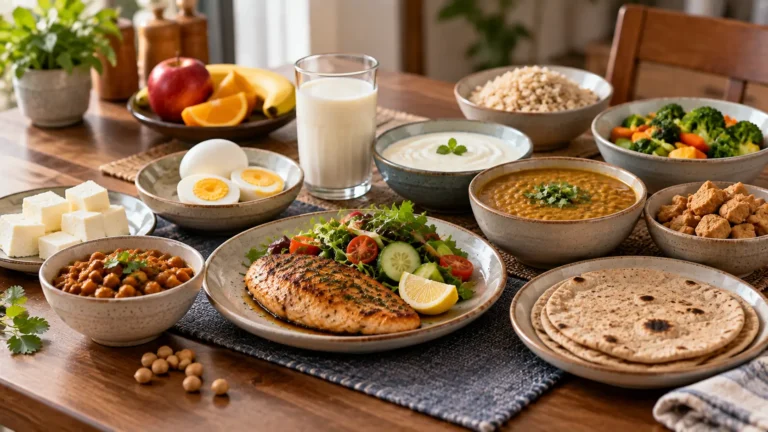


If you constantly feel tired by afternoon, reach for snacks every few hours, or struggle to maintain a healthy weight, you’re not alone.
Many young adults are following eating habits that look normal on social media but quietly damage energy levels, focus, metabolism, and overall health.
The truth is simple:
Most Gen Z nutrition problems aren’t caused by eating too much. They’re caused by eating the wrong foods at the wrong times.
This Gen Z Diet Plan is designed specifically for modern lifestyles filled with screens, late-night study sessions, remote work, social media scrolling, and unpredictable schedules.
Let’s build a realistic plan that works in the real world—not just on paper.
Why Gen Z Faces Unique Nutrition Challenges
Today’s generation faces nutrition problems previous generations rarely experienced.
Common Issues
- Excessive screen time
- Sleep deprivation
- Food delivery dependence
- Sugary beverages
- Stress eating
- Skipping breakfast
- Ultra-processed snacks
These habits create a cycle:
Poor food → Energy crash → Cravings → Overeating → Weight gain → More fatigue
Breaking that cycle starts with understanding what your body actually needs.
The 5 Rules Behind Every Successful Gen Z Diet Plan
Rule #1: Prioritize Protein First
Protein controls hunger better than carbs or fats.
Aim for:
| Goal | Protein Daily |
|---|---|
| General Health | 60–80g |
| Fitness Goal | 80–120g |
Good sources:
- Eggs
- Paneer
- Greek yogurt
- Chicken
- Fish
- Tofu
- Lentils
- Chickpeas
Rule #2: Stop Drinking Your Calories
Many people consume hundreds of hidden calories daily from:
- Cold drinks
- Sweet coffee
- Energy drinks
- Bubble tea
- Packaged juices
Replace with:
- Water
- Lemon water
- Coconut water
- Green tea
- Black coffee (moderately)
Rule #3: Build Every Meal Using the 50-25-25 Formula
Your plate should contain:
| Component | Portion |
|---|---|
| Vegetables | 50% |
| Protein | 25% |
| Complex Carbs | 25% |
This simple formula prevents overeating while maintaining energy.
Rule #4: Eat Before You’re Starving
Waiting too long leads to binge eating.
Ideal schedule:
- Breakfast
- Lunch
- Healthy snack
- Dinner
Consistency beats perfection.
Rule #5: Follow the 80/20 Principle
Eat healthy 80% of the time.
Enjoy favorite foods 20% of the time.
This prevents burnout and makes the plan sustainable.
The 7-Day Gen Z Diet Plan
Day 1
Breakfast
Vegetable omelet + whole wheat toast
Lunch
Brown rice + dal + mixed vegetables
Snack
Apple + almonds
Dinner
Grilled chicken or paneer with salad
Day 2
Breakfast
Greek yogurt with berries and oats
Lunch
Chapati + paneer curry + cucumber salad
Snack
Roasted chickpeas
Dinner
Vegetable soup + whole grain sandwich
Day 3
Breakfast
Overnight oats with banana
Lunch
Quinoa bowl with vegetables
Snack
Boiled eggs
Dinner
Fish or tofu with steamed vegetables
Day 4
Breakfast
Protein smoothie
Lunch
Rajma rice
Snack
Mixed nuts
Dinner
Paneer tikka with salad
Day 5
Breakfast
Poha with peanuts
Lunch
Chicken wrap or tofu wrap
Snack
Fruit bowl
Dinner
Vegetable stir-fry
Day 6
Breakfast
Besan chilla
Lunch
Dal, rice, and vegetables
Snack
Greek yogurt
Dinner
Grilled protein with salad
Day 7
Breakfast
Egg bhurji or tofu scramble
Lunch
Healthy homemade burger
Snack
Dark chocolate + nuts
Dinner
Light soup with vegetables
The Hidden Nutrition Mistakes Most Gen Z Adults Make
Skipping Breakfast
Research consistently shows that skipping breakfast often increases cravings later in the day.
Following Social Media Diet Trends
Not every viral diet is healthy.
Examples include:
- Extreme fasting
- Detox cleanses
- Juice-only diets
- One-meal-a-day challenges
Most are difficult to sustain and can lead to nutrient deficiencies.
Eating Too Little Protein
Many young adults consume less than half their protein requirements.
Consequences:
- Hunger
- Muscle loss
- Fatigue
- Poor recovery
Poor Sleep Habits
Sleep directly affects hunger hormones.
Just one poor night of sleep can increase cravings for:
- Sugar
- Processed foods
- Fast food
Budget-Friendly Gen Z Grocery List
Healthy eating doesn’t need to be expensive.
Affordable Protein Sources
- Eggs
- Lentils
- Chickpeas
- Paneer
- Tofu
- Milk
- Yogurt
Budget-Friendly Carbs
- Rice
- Oats
- Sweet potatoes
- Whole wheat bread
Vegetables
- Spinach
- Carrots
- Cabbage
- Tomatoes
- Cucumbers
Real-World Example
A 21-year-old college student replaced:
- Energy drinks
- Chips
- Instant noodles
with:
- Water
- Fruits
- High-protein breakfasts
Within 8 weeks:
- Better concentration
- Reduced cravings
- Improved sleep
- Moderate weight loss
The biggest change wasn’t calorie restriction.
It was food quality.
What Makes This Diet Different?
Most diets focus only on weight loss.
This plan focuses on:
✓ Energy
✓ Productivity
✓ Mental clarity
✓ Better sleep
✓ Sustainable habits
✓ Long-term health
That’s what modern nutrition should prioritize.
FAQ SECTION
What is the best diet plan for Gen Z?
A balanced diet rich in protein, vegetables, fruits, healthy fats, and complex carbohydrates is generally the most sustainable approach.
How much protein should Gen Z consume daily?
Most young adults benefit from 60–120 grams daily depending on activity levels and fitness goals.
Can Gen Z lose weight without dieting?
Yes. Improving food quality, increasing activity, and maintaining consistent habits often produce sustainable weight loss.
Are energy drinks bad for daily consumption?
Frequent consumption may contribute to excessive sugar and caffeine intake, potentially affecting sleep and energy balance.
What is the healthiest breakfast for Gen Z?
A protein-rich breakfast such as eggs, Greek yogurt, oats, or a smoothie can improve satiety and concentration.
How can students eat healthy on a budget?
Focus on affordable staples like eggs, oats, rice, lentils, vegetables, milk, and seasonal fruits.
CONCLUSION
The biggest nutrition mistake Gen Z makes isn’t eating too much—it’s relying on convenience foods that create energy crashes, cravings, and inconsistent eating habits.
A successful Gen Z diet plan doesn’t require expensive superfoods, extreme restrictions, or viral social media trends. It requires consistent meals, adequate protein, quality sleep, hydration, and realistic habits that fit everyday life.
Start with one change today. Replace a sugary drink, add protein to breakfast, or prepare tomorrow’s lunch tonight. Small improvements compound quickly—and your energy, focus, and health will reflect it.
Ready to transform your eating habits? Follow this 7-day plan for one week and track your energy, sleep, cravings, and productivity. The results may surprise you.
DISCLAIMER
This article is for educational and informational purposes only and should not replace professional medical advice, diagnosis, or treatment. Nutritional needs vary based on age, activity level, health status, and individual goals. Consult a qualified healthcare professional or registered dietitian before making significant dietary changes.