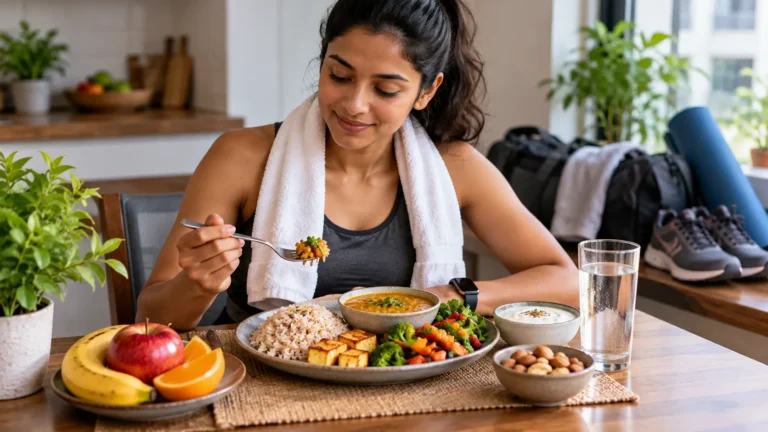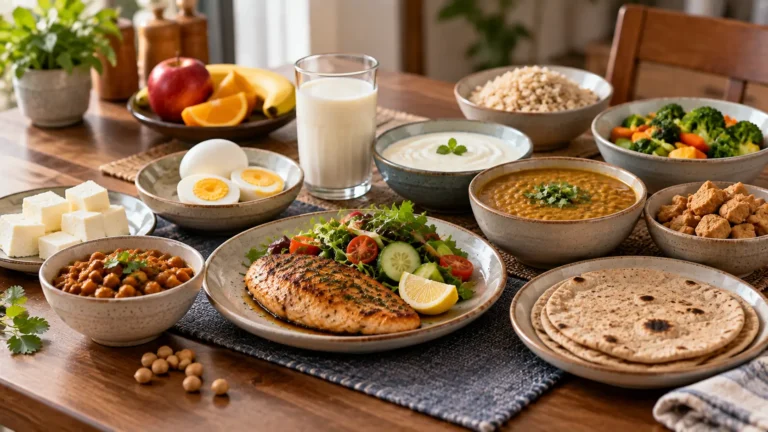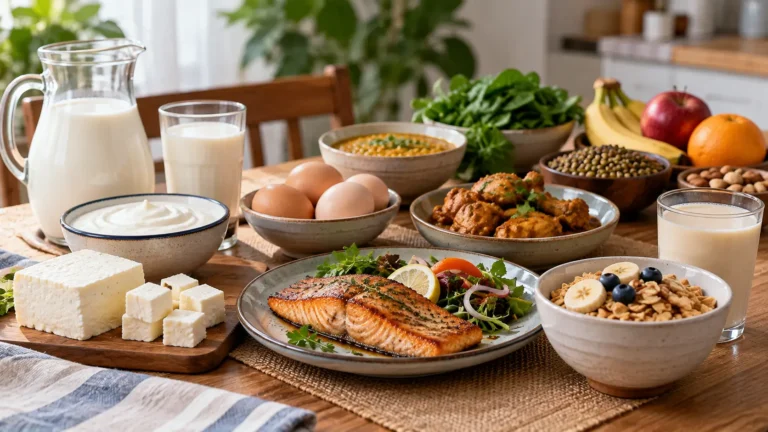
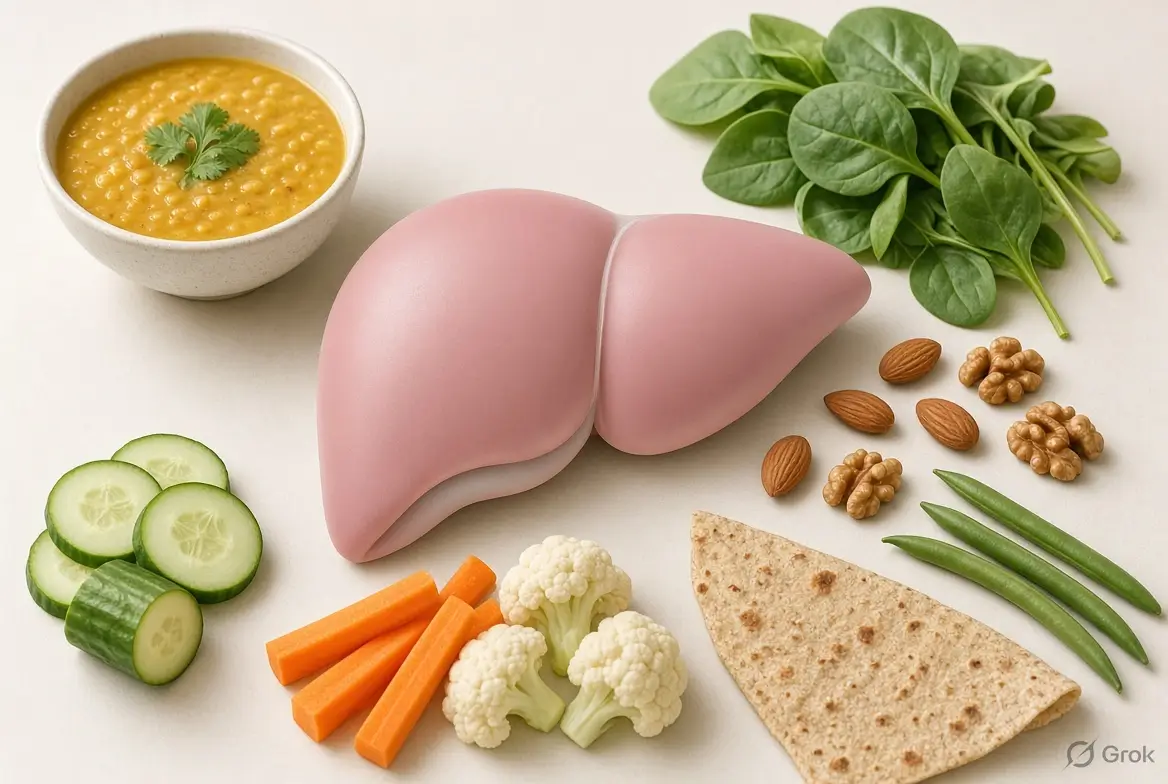

A balanced everyday diet—centred on vegetables, pulses (dal), whole grains or millets, fruits, nuts or seeds, and moderate amounts of healthy fats—supports overall metabolic health and thereby the liver. No food is a miracle cleanser or cure. Coffee (without sugar) has the strongest observational links to better liver outcomes among common beverages. Limiting refined carbohydrates, added sugars, ultra-processed foods and alcohol is at least as important as adding specific items.
The liver performs hundreds of essential tasks: processing nutrients from food, making proteins needed for blood clotting, storing vitamins and minerals, and helping clear waste products. It is resilient and can regenerate, but long-term excess energy intake, especially from refined carbs and sugars common in many modern Indian diets, combined with low activity, can lead to fat accumulation (metabolic dysfunction-associated steatotic liver disease or MASLD, previously called NAFLD).
What the Evidence Says
Authoritative guidance and research point to overall dietary patterns rather than isolated “superfoods.” The ICMR-National Institute of Nutrition Dietary Guidelines for Indians emphasise variety, higher intake of pulses and vegetables, moderate use of oils, limited sugar and salt, and reduced ultra-processed foods high in fat, sugar and salt. These principles align with metabolic and liver health.
Mediterranean-style patterns (abundant vegetables, fruits, pulses, whole grains, nuts, moderate fish or lean protein, olive or other unsaturated oils, limited red/processed meat) have the most consistent trial and observational support for reducing liver fat markers and improving metabolic parameters, even beyond weight loss in some studies. Weight reduction of 5–10% of body weight in people with excess weight is strongly linked to improved liver fat.
Coffee consumption shows inverse associations with fibrosis, cirrhosis and hepatocellular carcinoma risk in multiple meta-analyses of observational data. Benefits appear dose-related in some analyses (moderate regular intake), for both caffeinated and, to a lesser extent, decaffeinated coffee. This is association, not proven causation or a treatment recommendation. Green tea has some supportive data via catechins, but evidence is less robust than for coffee.
Fibre-rich foods (vegetables, fruits, whole grains, pulses) are linked to lower NAFLD risk in observational work. Omega-3 rich fish and unsaturated fats from nuts or certain oils show favourable metabolic effects. Individual foods such as cruciferous vegetables, garlic or berries contain compounds with antioxidant or enzyme-modulating properties in laboratory and some human studies, but they work best as part of a pattern.
Practical Liver-Supportive Foods in an Indian Context
Focus on everyday staples rather than exotic items:
- Vegetables, especially leafy greens (palak, methi, amaranth) and cruciferous (cabbage, cauliflower, broccoli when available): fibre, vitamins, plant compounds.
- Pulses and legumes (moong, masoor, chana, rajma, sprouts): plant protein + fibre.
- Whole grains and millets (whole-wheat roti, brown/hand-pounded rice in moderation, jowar, bajra, ragi, oats, daliya): slower-digesting carbohydrates.
- Whole fruits (apple, guava, papaya, citrus, seasonal berries or amla in reasonable portions): fibre and micronutrients; prefer whole fruit over juice.
- Nuts and seeds (small handful of almonds, walnuts, flax or chia): unsaturated fats and vitamin E.
- Lean protein or dairy as preferred (eggs, fish such as rohu/mackerel when available, low-fat curd or paneer, chicken without skin).
- Healthy fats in moderation (mustard, sesame, groundnut or limited olive oil).
- Unsweetened coffee or tea if you already drink them.
These fit easily into dal-sabzi-roti or millet-based plates, vegetable-rich curries, salads, and simple snacks.
Dietary Patterns That Help
An India-adapted Mediterranean or ICMR-NIN style plate prioritises vegetables and pulses, uses whole grains/millets, includes modest healthy fats and protein, and keeps refined rice, maida, sweets and fried snacks limited. Consistency over weeks and months matters more than perfect days. Combine with regular movement and sleep for better metabolic outcomes.
- Refined carbohydrates and added sugars (white rice in excess, maida products, sugary drinks, sweets, packaged snacks) — these drive de novo lipogenesis in the liver.
- Ultra-processed foods high in fat, sugar and salt.
- Excess fried foods and large amounts of saturated fat.
- Alcohol — the clearest dietary risk factor for liver damage; avoidance is safest for liver health.
- Extreme restriction or unproven detox protocols.
Myth: Special detox juices or single foods “cleanse” the liver.
Fact: The liver already detoxifies; no food or juice has been shown to accelerate this beyond a balanced diet.
Myth: One superfood reverses fatty liver.
Fact: Overall energy balance, dietary quality and lifestyle changes drive improvement.
Myth: All fats are bad for the liver.
Fact: Type and amount matter; unsaturated fats in moderation fit supportive patterns.
When to Talk to a Healthcare Professional
Seek medical advice for unexplained fatigue, abdominal discomfort, jaundice, abnormal liver blood tests, or known risk factors (obesity, diabetes, heavy alcohol use). Diet supports but does not replace assessment or treatment of liver disease. Do not stop prescribed medication or self-diagnose based on symptoms.
Practical Takeaways
Build most meals around vegetables + dal/legumes + whole grain or millet. Include a small portion of nuts or seeds and lean protein as preferred. Limit refined carbs, sugars and alcohol. Unsweetened coffee can fit if you enjoy it. Sustainable changes over months, paired with activity, matter most. Individual needs differ by age, health status, medications and activity level.
This approach is educational, not personalised medical advice.
FAQ / PEOPLE ALSO ASK / LLM QUESTIONS
What foods are best for liver health?
A balanced pattern of vegetables, pulses, whole grains/millets, fruits, nuts and moderate healthy fats. No single “best” food.
Can coffee help the liver?
Observational evidence links regular coffee intake with lower risk of fibrosis, cirrhosis and liver cancer. It is not a treatment.
Do detox diets cleanse the liver?
No. The liver performs detoxification continuously. Detox products lack evidence and can be unnecessary or risky.
Which Indian foods support liver health?
Dal, leafy greens, millets, whole-wheat roti, seasonal vegetables and fruits, small amounts of nuts, and modest healthy oils form a practical base.
Can diet reverse fatty liver?
In many cases of early MASLD linked to excess weight, modest sustained weight loss (5–10%) and improved diet quality are associated with reduced liver fat. Professional guidance is needed.
Should I avoid all oil or ghee?
No. Moderate unsaturated fats support nutrient absorption and fit healthy patterns; excess of any fat is not helpful.
When should I see a doctor about my liver?
For persistent symptoms, abnormal tests, or high risk factors. Do not rely on food alone for diagnosed conditions.
30. MEDICAL DISCLAIMER
This article is for general educational and informational purposes only. It does not diagnose, treat or replace personalised medical advice. Nutritional needs vary by age, health status, medications, allergies and other factors. Consult a qualified healthcare professional or registered dietitian for individual advice, especially if you have liver disease, diabetes or other conditions. Do not start, stop or change any medication based on this article. If you have severe or sudden symptoms, seek urgent medical care.