
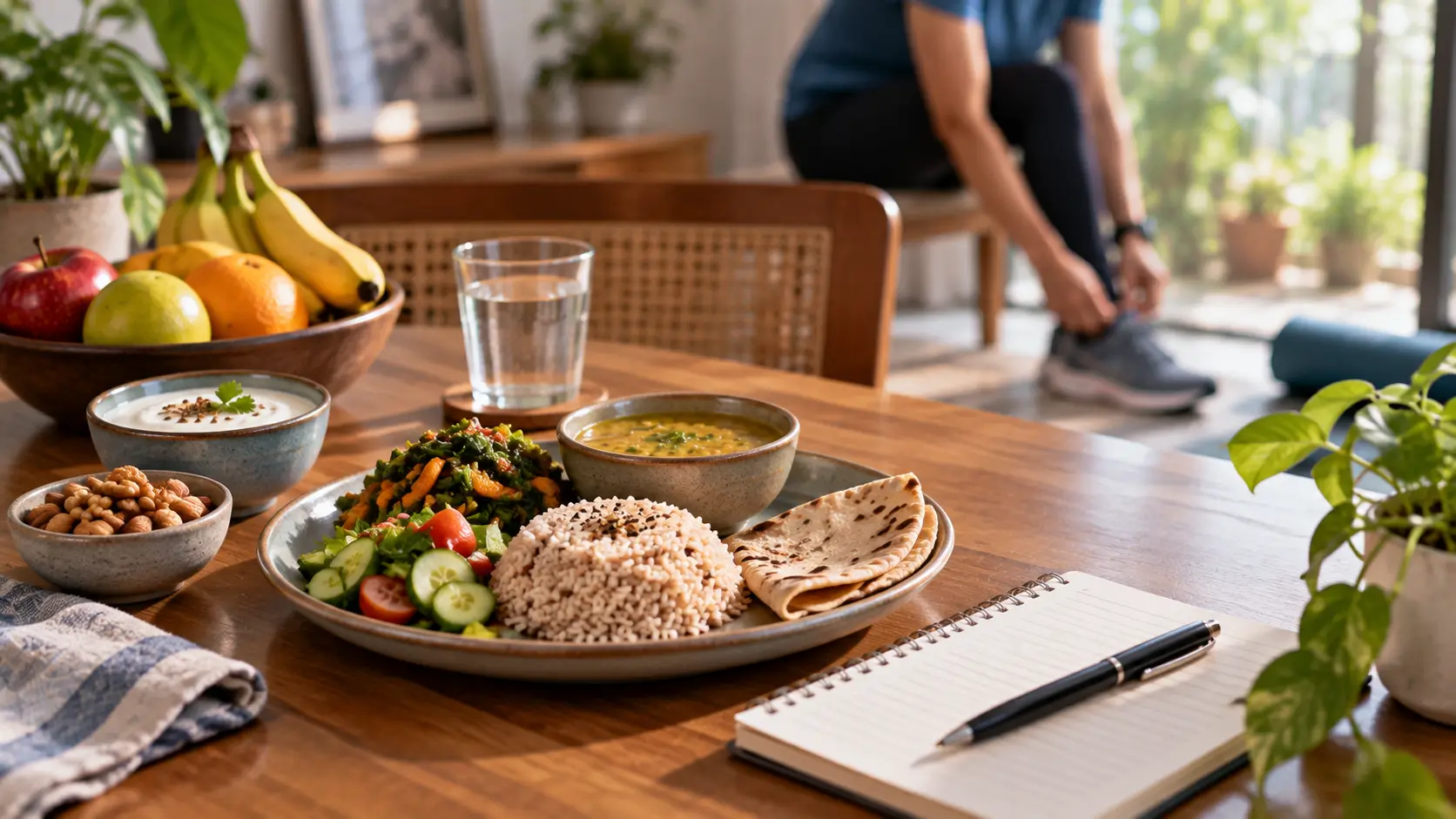

If you are searching for a 10 kg weight loss in 7 days diet plan, the first thing to know is that losing 10 kg in one week is not a safe or realistic target for most adults.
Health authorities recommend a much more gradual approach. ICMR-NIN’s Dietary Guidelines for Indians say weight reduction should be gradual and identify about 0.5 kg per week as a safe rate. CDC and NHS guidance commonly recommends approximately 0.5–1 kg per week rather than extreme short-term weight loss.
That does not mean you cannot make meaningful progress in seven days. A week can be enough to establish a structured eating pattern, reduce unnecessary calories, increase daily movement and build habits that can continue for months.
Quick Answer
A 10 kg loss in seven days should not be treated as a normal diet goal. Rapid changes on the weighing scale can include water and other temporary changes rather than an equivalent amount of body-fat loss.
Instead of starving yourself, skipping meals or following a detox diet, use the first seven days to establish a balanced Indian eating pattern, appropriate portions, regular movement, adequate sleep and a routine you can maintain.
Can You Really Lose 10 kg in 7 Days?
The number on the scale can sometimes change quickly, particularly when someone makes a major change to food intake.
However, a change in scale weight is not the same as losing the same amount of body fat.
Body weight is influenced by several things, including body fat, muscle, water, food and fluid in the digestive system and other factors.
That means someone might see a noticeable change on the scale during the first week of a diet without losing an equivalent amount of body fat.
Aiming for 10 kg in seven days encourages an extremely aggressive approach and is far outside the gradual weight-loss rates recommended by major health organizations.
Why Rapid Weight Loss Can Be a Problem
Crash diets may involve severe calorie restriction, prolonged fasting, dehydration or eliminating large groups of foods.
These approaches can create rapid changes on the scale, but they can also make it harder to obtain enough nutrients and maintain a balanced eating pattern.
Rapid weight loss is also associated with a higher risk of gallstones. NIDDK advises against crash diets and recommends slower weight loss for people trying to reduce their risk.
Extreme restriction can also become psychologically difficult to maintain. Repeated cycles of severe restriction followed by overeating can create an unhealthy relationship with food.
If weight loss becomes an obsession or involves severe food restriction, fasting, vomiting, laxative misuse or compulsive exercise, professional help is appropriate. Eating disorders are serious illnesses and can affect people at different body weights.
What Is a More Realistic Weight-Loss Goal?
For many adults, a gradual rate of around 0.5–1 kg per week is a more realistic target than trying to lose several kilograms in a few days.
Your appropriate goal can be different depending on your starting weight, health, medications, activity level, age and other factors.
NIDDK recommends that successful weight-management programs use realistic goals rather than dramatic short-term promises.
The goal should therefore be:
consistent progress rather than the largest possible change on the weighing scale.
A Safer 7-Day Indian Weight-Loss Starter Plan
This is a general framework for adults, not a personalized prescription.
It does not provide an extreme calorie target because calorie requirements differ substantially between individuals. People with medical conditions, pregnancy, eating disorders, underweight or medication-related weight issues should obtain individualized advice.
Day 1
Breakfast: Vegetable poha with peanuts and plain curd
Lunch: Two small rotis, dal, mixed vegetables and salad
Snack: One whole fruit
Dinner: Vegetable-rich meal with paneer, eggs, fish or another suitable protein source
Movement: A comfortable brisk walk if appropriate for your fitness level.
Day 2
Breakfast: Oats with milk or curd and fruit
Lunch: Moderate portion of rice with rajma or dal, vegetables and curd
Snack: Roasted chana or a small portion of nuts
Dinner: Roti with vegetables and a protein-rich dish
Movement: Walking plus short periods of standing or moving during the day.
Day 3
Breakfast: Eggs or paneer with whole-grain toast and fruit
Lunch: Roti, chana or dal, vegetables and curd
Snack: Fruit with plain yogurt
Dinner: Rice or roti with vegetables and fish, chicken, paneer, tofu or dal
Movement: Brisk walking or another activity you can perform safely.
Day 4
Breakfast: Vegetable upma with curd
Lunch: Rice, dal, vegetables and salad
Snack: Fruit or roasted chickpeas
Dinner: Roti with paneer or another protein source and plenty of vegetables
Movement: Add a short walk after one or more meals if comfortable.
Day 5
Breakfast: Vegetable omelette or a vegetarian protein option with fruit
Lunch: Roti, rajma or chole, vegetables and curd
Snack: A small serving of nuts and fruit
Dinner: Dal, vegetables and a moderate portion of rice or roti
Movement: Walking and, if appropriate, simple strength exercises.
Day 6
Breakfast: Oats or vegetable poha with a protein source
Lunch: Rice or roti with dal, vegetables and curd
Snack: Fruit and roasted chana
Dinner: Paneer, eggs, fish, chicken, tofu or dal with vegetables
Movement: Brisk walking, cycling or another activity suited to your ability.
Day 7
Breakfast: Idli with sambar or another balanced breakfast
Lunch: Dal, vegetables, salad and a moderate portion of rice or roti
Snack: Fruit with curd
Dinner: A simple home-cooked meal containing vegetables and a suitable protein source
Movement: An enjoyable walk or other moderate activity.
This is not a seven-day “10 kg diet.” It is a seven-day starting framework for healthier weight management.
What Should Your Plate Look Like?
Instead of obsessing over a specific food, build meals around several food groups.
Include:
- Vegetables
- Pulses such as dal, rajma and chana
- Appropriate protein sources
- Whole or minimally refined grains
- Fruit
- Curd or other suitable dairy
- Nuts and seeds in sensible portions
Rice and roti do not automatically prevent weight loss.
The overall meal, portion size and total energy intake matter more than declaring one carbohydrate a “bad food.”
Foods and Drinks to Limit
You do not need to ban every enjoyable food.
However, foods and drinks that are easy to consume in large quantities can make a calorie deficit harder to achieve.
Consider limiting:
- Sugary beverages
- Frequent sweets
- Deep-fried snacks
- Large portions of fast food
- Highly processed snack foods
- Excessively sugary desserts
- Alcohol, where applicable
Water is a simple everyday beverage choice.
The objective is not to create a seven-day punishment diet. It is to make the usual eating pattern more supportive of long-term health.
Do You Need to Skip Dinner?
No.
Skipping dinner is not automatically necessary for weight loss.
Some people prefer an earlier or smaller evening meal, while others find that skipping meals leads to excessive hunger later.
A sustainable plan should fit your schedule, appetite and health needs.
What About Exercise?
Physical activity is an important part of weight management, but exercise should not be used to compensate for extreme food restriction.
Start with activity you can perform safely.
Options include:
- Brisk walking
- Cycling
- Swimming
- Dancing
- Home-based strength exercises
- Resistance training
If you have been inactive, increase activity gradually rather than suddenly starting an exhausting exercise routine.
People with heart disease, significant joint problems or other medical conditions should ask a healthcare professional about appropriate exercise.
What Not to Do
Avoid plans that tell you to:
- Stop eating for prolonged periods
- Drink only juices
- Use laxatives for weight loss
- Purposely dehydrate yourself
- Take unproven “fat burners”
- Follow extremely restrictive diets without medical supervision
- Exercise excessively to compensate for eating
- Expect 10 kg of fat loss in one week
“Natural” or “detox” does not automatically mean safe.
Sleep Matters Too
Weight management is not only about food.
CDC includes healthy eating, regular physical activity, adequate sleep and stress management within a healthy weight-loss lifestyle.
Try to establish a consistent sleep schedule during your seven-day reset rather than sacrificing sleep to exercise or meal preparation.
When Should You Talk to a Healthcare Professional?
Consider professional guidance if:
- You have obesity and have repeatedly struggled to lose weight
- You have diabetes or prediabetes
- You have high blood pressure or cardiovascular disease
- You take medicines that may affect weight
- You are pregnant or breastfeeding
- You are underweight
- You have unexplained weight loss or gain
- You have symptoms of an eating disorder
- You are considering a very-low-calorie diet
People with obesity may have additional evidence-based treatment options, including structured lifestyle programs and, for some individuals, weight-management medicines or metabolic/bariatric surgery.
Practical Takeaway
A 10 kg weight loss in seven days diet plan is not a responsible target for most adults.
If your goal is to lose weight, use seven days as the beginning rather than the deadline.
Eat balanced meals, control portions, include vegetables and protein-rich foods, reduce highly processed and sugary foods, stay physically active, sleep adequately and repeat the routine consistently.
The most useful weight-loss plan is not the one that produces the biggest change on the scale in seven days.
It is the one you can continue safely after those seven days are over.
FAQ
Can I lose 10 kg in 7 days?
A 10 kg loss in seven days is not a safe or realistic target for most adults. Rapid changes can include water and other temporary weight changes rather than equivalent fat loss.
How much weight can I safely lose in one week?
Guidance commonly uses approximately 0.5–1 kg per week as a gradual target, although an individual’s appropriate rate can vary. ICMR-NIN’s 2024 guidance specifically describes gradual reduction and about 0.5 kg/week as safe.
Can I lose weight by eating only fruits for seven days?
A fruit-only diet is not a balanced long-term eating pattern. Weight management requires adequate protein, fats, carbohydrates, vitamins and minerals from a variety of foods.
Should I completely stop eating rice or roti?
No. Rice and roti can fit into a weight-management diet. Portion size and the overall meal pattern matter more than completely eliminating a particular carbohydrate.
Does skipping dinner help you lose weight faster?
Not necessarily. Weight loss depends on overall energy intake and dietary pattern rather than whether one particular meal is skipped. For some people, skipping meals may also increase hunger later.
Can detox drinks burn belly fat?
There is no established detox drink that selectively burns abdominal fat. Weight management is better approached through sustainable eating, activity, sleep and other health behaviors.
Is a crash diet safe if I only do it for seven days?
Short duration does not automatically make extreme restriction safe. Rapid weight loss can carry risks, including gallstones, and very restrictive eating can make adequate nutrition difficult.
When should I see a doctor about weight loss?
Seek professional guidance if you have obesity with related health conditions, unexplained weight changes, significant medical conditions, medication-related concerns, pregnancy, underweight or symptoms of disordered eating.
MEDICAL DISCLAIMER
This article provides general nutrition and weight-management information and does not provide an individualized diet prescription or medical treatment. Nutritional and calorie needs vary according to age, sex, body size, activity level, medical conditions, medications, pregnancy and other factors. Do not use severe calorie restriction, dehydration, laxatives or unapproved weight-loss products to pursue rapid weight loss. If you have a medical condition, are pregnant or breastfeeding, are underweight, take medicines affecting weight or have concerns about disordered eating, seek advice from an appropriately qualified healthcare professional or registered dietitian.


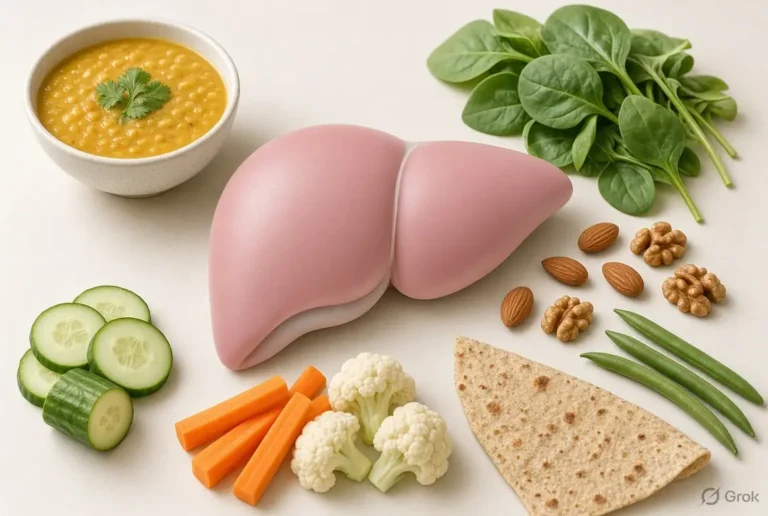

[…] healthy diet plan for weight loss should emphasize vegetables, fruit, pulses, appropriate protein sources, whole or minimally refined […]