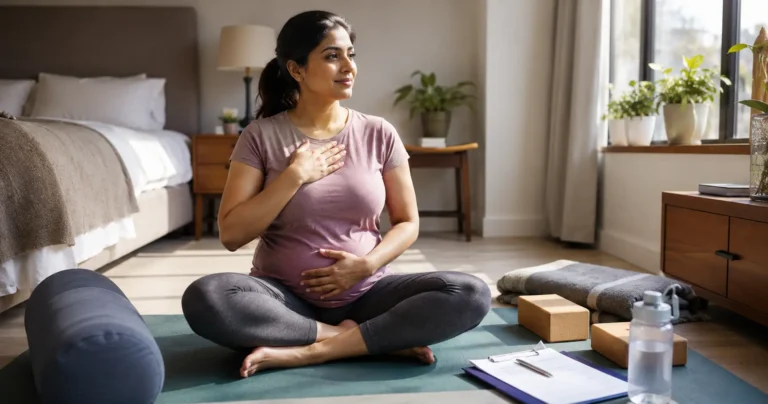
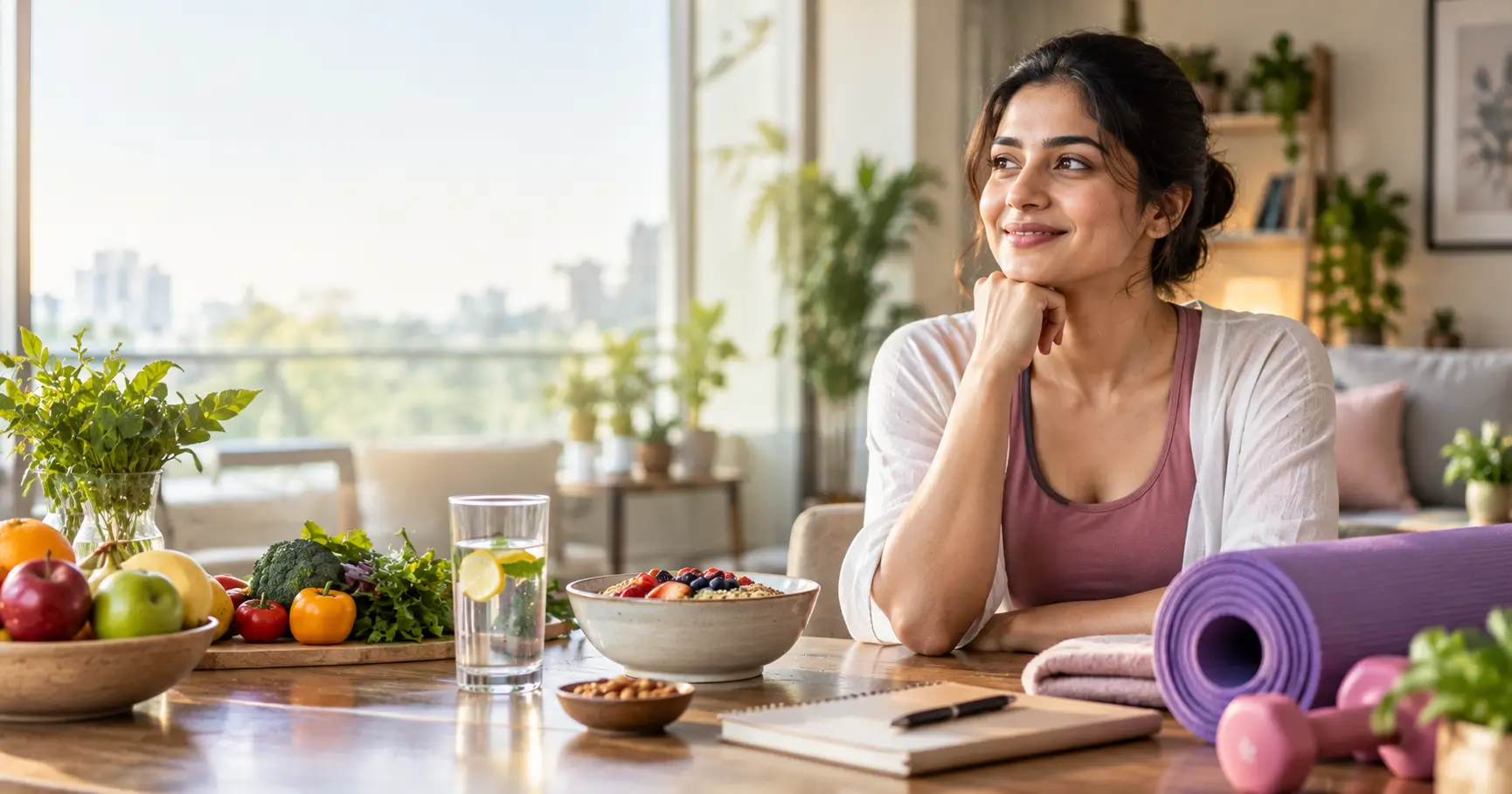

Women’s health is not one topic. It includes physical health, nutrition, movement, mental well-being, reproductive and sexual health, preventive care, and changes that happen throughout life. WHO notes that women’s health extends from adolescence through older age, with different biological, social and healthcare needs at different stages.
Short answer: A strong women’s health and wellness routine is built around nutritious food, regular physical activity, adequate sleep, mental-health support, appropriate reproductive care and preventive checkups. The goal is not perfection. It is to build sustainable habits and pay attention when something changes.
Build a Strong Foundation With Food and Movement
Food is one of the simplest places to start. WHO’s current healthy-diet guidance emphasizes four principles: adequacy, balance, moderation and diversity. A varied diet can include vegetables, fruits, pulses, whole grains, nuts and appropriate sources of protein such as eggs, dairy, fish or meat. The exact balance depends on a person’s age, activity level, health status and dietary preferences.
For women in India, healthy eating does not require expensive wellness products. Dal, rajma, chickpeas, vegetables, fruits, curd, eggs, fish, paneer, millets and whole grains can all be part of a nutritious diet. The aim is to build balanced meals rather than completely remove carbohydrates or fats.
WHO recommends that people over 10 aim for at least 400 grams of fruits and vegetables each day. It also recommends keeping adult salt intake below 5 grams a day and limiting free sugars and foods high in unhealthy fats.
Physical activity is equally important. Exercise does not have to mean spending hours in a gym. Walking, cycling, swimming, dancing, yoga and strength training can all contribute to a more active lifestyle.
For adults, WHO recommends 150–300 minutes of moderate-intensity aerobic activity a week, or 75–150 minutes of vigorous activity, together with muscle-strengthening activities on at least two days a week. People who are currently inactive can build up gradually rather than trying to reach the full target immediately.
Strength training is especially useful as part of long-term fitness because maintaining muscle and physical function becomes increasingly important with age. A practical weekly routine can combine walking or another aerobic activity with resistance exercises and mobility work.
Reproductive Health and Preventive Care Matter
Women’s health extends well beyond pregnancy. Menstrual health, contraception, fertility, sexual health, pregnancy, postpartum recovery and menopause can all affect quality of life.
A noticeable change in menstrual patterns should not automatically be dismissed as normal. Periods that become unusually heavy, painful or irregular, or symptoms that persist and interfere with daily life, are worth discussing with a qualified healthcare professional.
Pregnancy and the postpartum period also require individualized care. Nutritional needs, medicines, supplements, physical activity and warning signs can change during these stages. Women should follow advice from their obstetrician, gynecologist or primary-care professional rather than relying entirely on generic wellness advice.
Preventive healthcare is another important part of wellness. Women should discuss appropriate checks for conditions such as high blood pressure, diabetes and certain cancers based on age, family history and individual risk.
India’s public-health system includes population-based screening for common noncommunicable diseases, including breast and cervical cancers.
Cervical cancer prevention is also evolving. WHO’s 2026 guidance identifies HPV DNA testing as the preferred primary screening method for cervical cancer prevention, with implementation adapted to healthcare-system capacity. The appropriate test and screening interval for an individual woman should be confirmed with a qualified healthcare provider and local health services.
Breast health deserves attention as well. Women should seek medical evaluation for a new or persistent breast abnormality rather than attempting to diagnose it themselves. WHO emphasizes awareness of symptoms, early diagnosis and timely treatment as important parts of reducing the impact of breast cancer.
Mental Health, Sleep and Life-Stage Wellness
Mental health is a core part of women’s overall health. Stress, anxiety, emotional exhaustion and depression should not be treated as personal weaknesses.
WHO reports that depression affects women more often than men globally and that effective treatment is available. Persistent low mood, loss of interest in normal activities, major changes in sleep or appetite, difficulty functioning or feelings of hopelessness deserve professional attention.
Simple habits can support mental well-being. Regular physical activity, social connection, time away from constant screens, realistic routines and adequate rest can all become part of a healthier lifestyle. These habits do not replace professional treatment when someone has a mental-health condition.
Sleep should also be treated as part of health rather than an optional extra. Consistently poor sleep can affect energy, concentration, mood and daily functioning. Keeping a reasonably regular sleep schedule and addressing persistent sleep problems with a healthcare professional can be more useful than relying on quick fixes.
It is also helpful to think about women’s health according to life stage. During adolescence, menstrual health, nutrition and healthy body image may be important priorities. During the reproductive years, contraception, fertility, pregnancy planning and nutrient needs may become more relevant. Later in life, cardiovascular health, bone health, menopause symptoms and cancer screening may require greater attention.
For women in India, keeping basic health information organized can make healthcare visits more useful. Knowing your usual menstrual pattern, current medicines, allergies, family medical history and previous test results can help you and your healthcare provider identify meaningful changes.
Women should also be cautious with supplements and wellness trends. “Natural” does not automatically mean safe. Supplements can interact with medicines or may not be appropriate during pregnancy or certain medical conditions. Iron, vitamin D, calcium, folic acid and other supplements may be useful in specific situations, but the need and dose should be based on individual circumstances.
The best women’s health routine is therefore simple and sustainable: eat a varied diet, move regularly, sleep and recover adequately, protect your mental health, keep up with appropriate preventive care and pay attention to persistent or unusual symptoms.
Women’s wellness is not about following every new health trend. It is about understanding your body, making practical choices consistently and getting professional help when something does not feel right.
FAQ
1. What are the most important parts of women’s health and wellness?
The main areas include nutrition, physical activity, mental health, sleep, reproductive health and appropriate preventive healthcare.
2. How much exercise should women get each week?
For most adults, WHO recommends 150–300 minutes of moderate-intensity activity or 75–150 minutes of vigorous activity per week, plus muscle-strengthening activities on at least two days.
3. What should women include in a healthy diet?
A varied diet can include vegetables, fruits, pulses, whole grains, nuts and suitable protein sources. Limiting excess salt, free sugars and unhealthy fats is also important.
4. Why are preventive health checkups important for women?
Some health conditions can develop without obvious symptoms. Appropriate screening and routine healthcare can help identify certain problems earlier and guide timely treatment.
5. When should a woman talk to a doctor about symptoms?
Persistent, unusual, worsening or disruptive symptoms should be discussed with a qualified healthcare professional rather than being automatically attributed to stress, menstruation, pregnancy or ageing.
6. Is women’s wellness the same at every age?
No. Health priorities can change during adolescence, the reproductive years, pregnancy, postpartum recovery, perimenopause, menopause and older age.
Disclaimer
This article is for general health and wellness information and is not a substitute for professional medical advice, diagnosis or treatment. Individual needs vary by age, medical history, pregnancy status and other factors. Consult a qualified healthcare professional for personal medical concerns.