
What if improving your diet had less to do with counting every calorie and more to do with changing what sits on your plate?
That is the basic idea behind a whole food diet.
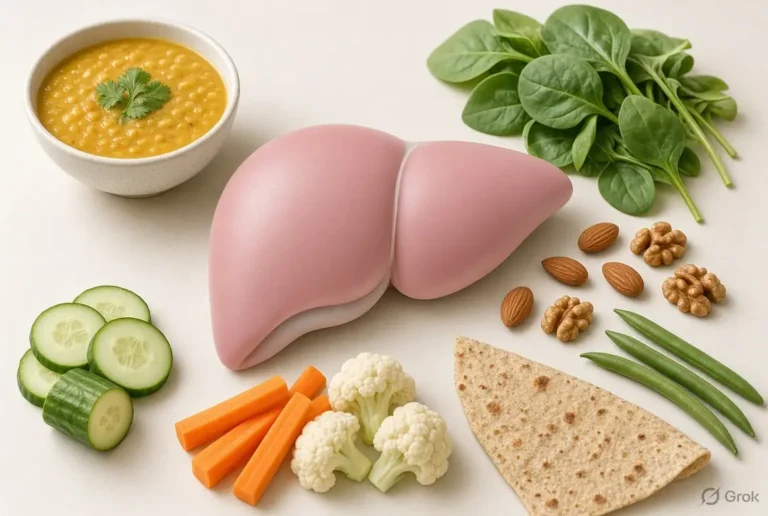
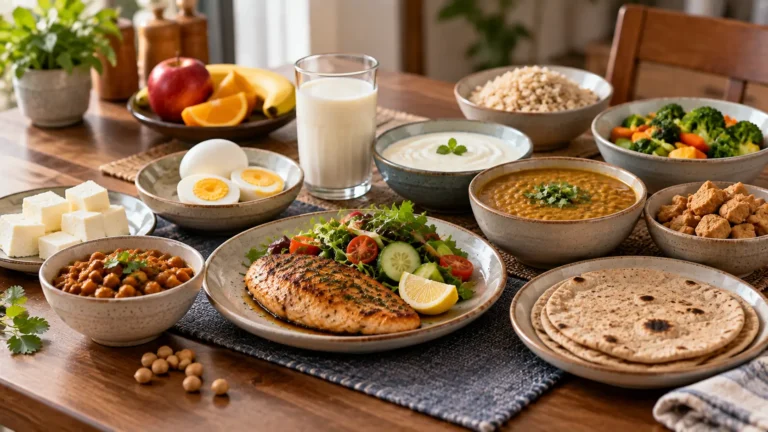
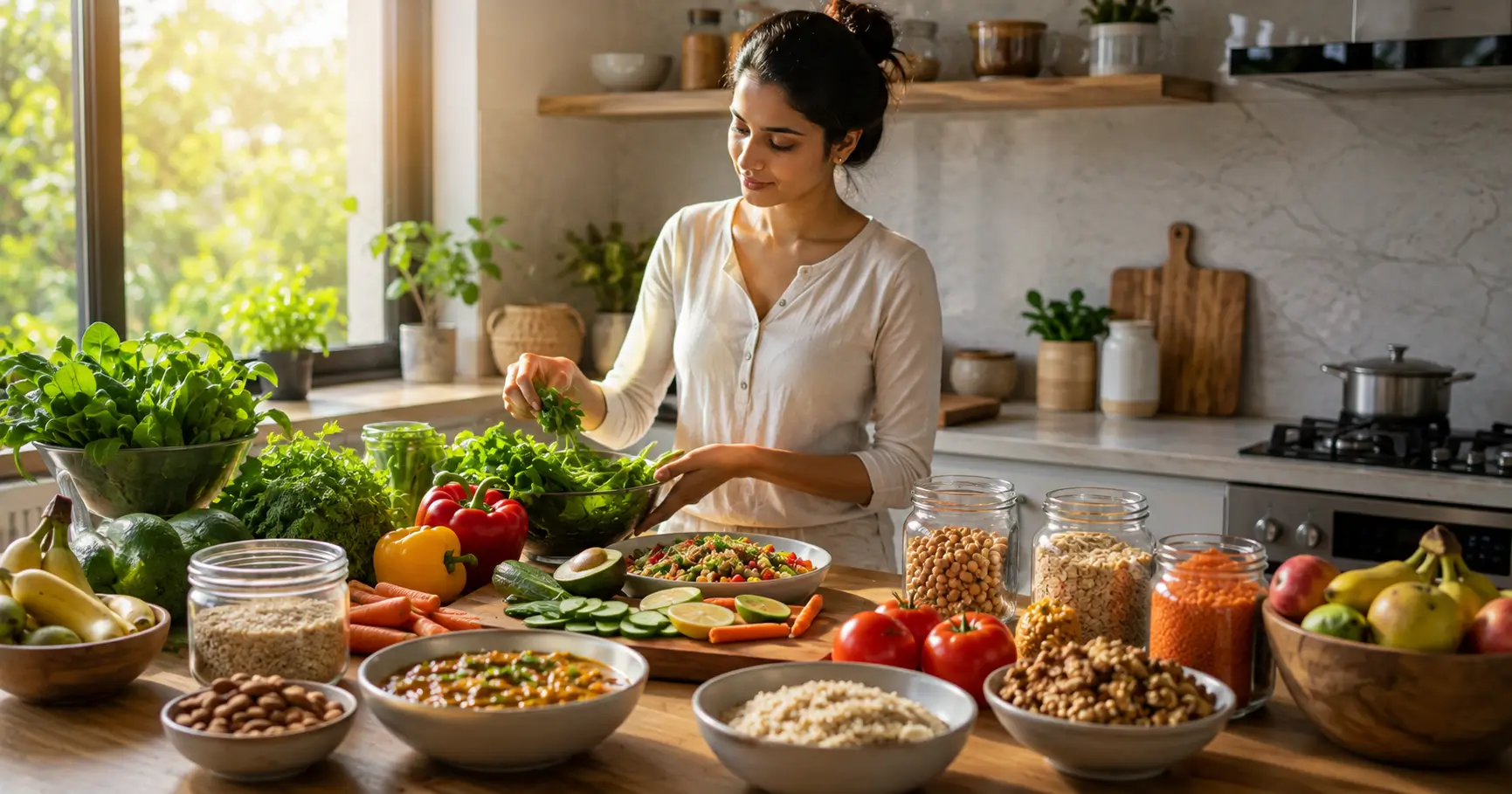
Instead of making you memorize dozens of complicated rules, this approach emphasizes vegetables, fruits, whole grains, beans, lentils, nuts, seeds and other minimally processed foods.
But there is an important catch: “whole food” does not mean every packaged food is unhealthy, and it doesn’t mean you need to eat only raw ingredients.
The real goal is to build a varied, balanced eating pattern in which nutritious foods make up most of what you eat.
What is a whole food diet?
A whole food diet emphasizes foods that remain relatively close to their original form and have undergone little processing.
Examples include:
- Fresh or frozen vegetables
- Whole fruits
- Beans and lentils
- Whole grains
- Nuts and seeds
- Eggs
- Fish
- Plain dairy or suitable alternatives
- Lean meats
- Herbs and spices
WHO recommends a varied diet centered on foods such as vegetables, fruits, pulses, whole grains and nuts while limiting foods high in unhealthy fats, free sugars and sodium.
The goal isn’t perfection. It’s dietary quality and variety.
Whole food diet vs processed food: what’s the difference?
The word “processed” can create unnecessary confusion.
Processing isn’t automatically bad.
Cooking rice, freezing vegetables, fermenting yogurt or grinding wheat all involve processing. Some processing can actually make foods safer, easier to digest or more convenient.
The bigger concern is highly or ultra-processed foods that are easy to overconsume and often contain high amounts of refined carbohydrates, sodium, unhealthy fats or added sugars.
A controlled NIH study involving 20 adults found that participants consumed about 500 more calories per day and gained weight during two weeks on an ultra-processed diet compared with two weeks on a minimally processed diet. The study was small and short, but it provides useful experimental evidence that processing can influence eating behavior and energy intake.
A simple way to think about processing
| Food | General classification |
|---|---|
| Apple | Whole food |
| Frozen spinach | Minimally processed |
| Oats | Minimally processed |
| Plain yogurt | Processed but nutritious |
| Whole-grain bread | Processed; check ingredients |
| Sweetened breakfast cereal | More highly processed |
| Sugary soft drink | Highly processed |
| Packaged snack cakes | Highly processed |
Don’t ask whether a food has been processed. Ask what processing has done to the food.
What foods can you eat on a whole food diet?
A good whole food diet is not built around one “superfood.”
It is built around variety.
1. Vegetables
Make vegetables a regular part of lunch and dinner.
Good options include:
- Spinach
- Carrots
- Tomatoes
- Cauliflower
- Broccoli
- Peppers
- Pumpkin
- Cabbage
- Beans
- Okra
- Eggplant
Fresh vegetables are excellent, but frozen and canned vegetables can also be useful when they don’t contain excessive added sodium or sugar. WHO specifically recognizes fresh, frozen and appropriately prepared canned options as healthy choices.
2. Fruits
Choose a variety rather than relying on one fruit every day.
Examples include:
- Apples
- Bananas
- Oranges
- Guava
- Papaya
- Berries
- Mangoes
- Watermelon
- Pomegranate
Whole fruit provides fiber and nutrients that can be lost or altered when fruit is turned into juice.
WHO recommends that adults and children over age 10 consume at least 400 grams of fruits and vegetables per day as part of a healthy diet.
3. Whole grains
Whole grains include:
- Oats
- Brown rice
- Whole wheat
- Barley
- Millet
- Sorghum
- Quinoa
- Buckwheat
Whole grains are particularly important because they provide fiber and other nutrients.
A large body of research has associated higher whole-grain consumption with lower cardiovascular and all-cause mortality risk, although observational evidence cannot prove that whole grains alone cause those outcomes.
4. Pulses and legumes
For Indian households, this category is especially practical.
Think:
- Dal
- Chickpeas
- Rajma
- Black beans
- Green peas
- Moong
- Masoor
- Chana
Pulses provide protein, carbohydrates, fiber and several micronutrients.
They also make a whole-food diet considerably more affordable than relying on expensive “health foods.”
5. Nuts and seeds
Useful choices include:
- Almonds
- Walnuts
- Peanuts
- Pistachios
- Chia seeds
- Flaxseeds
- Pumpkin seeds
- Sesame seeds
Because nuts and seeds are calorie-dense, portion size still matters.
Healthy food can contribute to excess calorie intake when eaten without regard to overall energy needs.
What should you limit?
A whole food diet does not require a dramatic “never eat this again” list.
Instead, reduce foods that contribute lots of calories, sodium, free sugars or unhealthy fats without providing much nutritional value.
Limit these foods more often
- Sugary drinks
- Sweets and confectionery
- Highly processed snack foods
- Deep-fried packaged foods
- Processed meats
- Foods very high in sodium
- Foods high in added sugars
- Refined snack products
WHO recommends limiting free sugars and sodium while emphasizing minimally processed foods, vegetables, fruits, whole grains and pulses.
Don’t turn “healthy eating” into food fear
This is where many restrictive diets fail.
A birthday cake doesn’t destroy a healthy diet.
Eating a restaurant meal doesn’t mean you’ve “fallen off the plan.”
Your overall dietary pattern matters far more than one meal.
What are the benefits of a whole food diet?
A well-designed whole food diet can improve overall diet quality by increasing the intake of fiber, vitamins, minerals and other beneficial compounds.
Better fiber intake
Vegetables, fruits, legumes and whole grains are important sources of dietary fiber.
WHO recommends at least 25 grams of naturally occurring dietary fiber per day for adults.
Better nutrient density
Replacing highly processed snack foods with vegetables, fruit, legumes, nuts and whole grains can increase the amount of nutrients obtained from the diet.
Better cardiovascular dietary pattern
Whole grains, nuts, legumes, vegetables and fruits are repeatedly associated with healthier cardiovascular outcomes.
Research on whole grains has found associations with lower cardiovascular disease risk, and randomized trials suggest that replacing refined grains with whole grains can improve several cardiovascular risk markers, although evidence varies by outcome.
Potential help with weight management
A whole food diet isn’t automatically a weight-loss diet.
Portions still matter.
However, meals built around high-fiber foods and minimally processed ingredients may make it easier for some people to manage energy intake.
The NIH-controlled feeding study mentioned earlier found that participants consumed more calories and gained weight during the ultra-processed phase than during the minimally processed phase.
Can a whole food diet help you lose weight?
It can, but it isn’t guaranteed.
Weight change depends on total energy intake, activity, sleep, genetics, medications, health conditions and many other factors.
A whole food approach may make weight management easier because it encourages foods such as vegetables, fruits, legumes and whole grains while reducing many calorie-dense processed foods.
But don’t make the mistake of treating olive oil, nuts, dried fruit or large portions of whole grains as “free foods.”
They can be nutritious and still contribute substantial calories.
A better weight-management principle
Instead of asking:
“Which foods make me lose weight?”
Ask:
“Which combination of foods helps me stay nourished and satisfied while fitting my energy needs?”
That is a much more sustainable question.
A simple whole food diet meal plan
You don’t need complicated recipes.
Breakfast
Choose one:
- Oatmeal with banana, nuts and seeds
- Vegetable poha with plain yogurt
- Eggs with whole-grain toast and fruit
- Vegetable upma with fruit
Lunch
Build a plate around:
- Dal or another protein source
- One or two vegetables
- Whole grain or an appropriate portion of rice/roti
- Salad or fruit
- Plain yogurt if suitable
Evening snack
Try:
- Whole fruit
- Roasted chickpeas
- Unsalted nuts
- Plain yogurt
- Vegetable snack with hummus
Dinner
Keep it simple:
- Vegetable-rich dal
- Rajma or chickpeas
- Mixed vegetables
- Whole-grain roti
- Brown rice or another whole grain
- Protein source such as fish, eggs, tofu or lean meat
NIDDK similarly recommends meals built around vegetables, fruits, protein foods, beans, nuts and whole grains.
How to start a whole food diet without feeling overwhelmed
Trying to replace your entire kitchen overnight usually isn’t necessary.
Start with five changes
1. Replace sugary drinks.
Choose water or another low-sugar option more often.
2. Add one vegetable to lunch.
Don’t wait for the “perfect” meal.
3. Upgrade your breakfast.
Swap highly sugary breakfast foods for oats, eggs, fruit or another minimally processed option.
4. Add legumes several times a week.
Dal, chickpeas and beans are affordable and versatile.
5. Make snacks more nutrient-dense.
Keep fruit, nuts or roasted legumes available.
Then repeat.
Small changes are easier to maintain than dramatic restrictions.
A real-world example
Imagine someone who currently eats:
- Sugary tea
- Packaged biscuits
- Refined-grain lunch
- Fried evening snacks
- Sugary drinks
- Large takeaway dinners
They don’t need to become a perfect “clean eater” on Monday.
A practical transition could look like:
Week 1: Replace sugary drinks with water more often.
Week 2: Add fruit at breakfast.
Week 3: Add vegetables and dal to lunch.
Week 4: Replace packaged evening snacks several days per week.
This approach changes the pattern gradually without creating an unrealistic food rulebook.
Common mistakes to avoid
Mistake 1: Thinking every packaged food is unhealthy
Frozen vegetables, canned beans and plain yogurt can fit comfortably into a healthy diet.
Mistake 2: Eating too little protein
A diet dominated by fruits and vegetables can still fall short of protein needs.
Include appropriate protein sources such as legumes, dairy, eggs, fish, poultry, tofu or other suitable foods.
Mistake 3: Eliminating carbohydrates
Whole grains, fruits, vegetables and pulses are carbohydrate-containing foods, and WHO recommends that carbohydrates come primarily from whole grains, vegetables, fruits and pulses.
Mistake 4: Eating huge portions because food is “healthy”
Healthy doesn’t mean calorie-free.
Mistake 5: Chasing expensive superfoods
You don’t need imported berries or specialty powders.
Dal, vegetables, fruit, oats, millet, whole wheat, beans, peanuts and seasonal produce can build an excellent diet.
Myths vs Facts
| Myth | Fact |
|---|---|
| A whole food diet means eating only raw foods | Cooking is compatible with healthy whole-food eating |
| Every processed food is unhealthy | Processing ranges from minimal to highly industrial |
| Whole foods automatically cause weight loss | Total energy intake and lifestyle still matter |
| You must eliminate all sugar | A healthy pattern focuses on limiting excess free sugars |
| Whole food diets must be expensive | Pulses, grains and seasonal produce can be budget-friendly |
| Carbohydrates should be avoided | Whole grains, fruits, vegetables and pulses can be valuable carbohydrate sources |
| One unhealthy meal ruins the diet | Overall dietary pattern matters more than perfection |
The easiest rule to remember
If you want one simple framework, use this:
Build most meals around minimally processed foods, include plenty of plant foods, choose appropriate protein sources, favor whole grains, and keep highly processed foods as a smaller part of the overall pattern.
That principle is much more useful than memorizing a giant list of forbidden foods.
WHO’s current healthy-diet guidance similarly emphasizes adequacy, balance, moderation and diversity, rather than one rigid dietary formula.
Key takeaways
- A whole food diet emphasizes minimally processed and unprocessed foods.
- Vegetables, fruits, whole grains, pulses, nuts and seeds should play major roles.
- Processed food is not automatically unhealthy.
- Limit foods high in free sugars, sodium and unhealthy fats.
- Whole grains have strong evidence supporting their place in a healthy dietary pattern.
- A whole food diet can support weight management, but it isn’t a guaranteed weight-loss program.
- You don’t need expensive “superfoods.”
- Consistency beats dietary perfection.
FAQ
What is a whole food diet?
A whole food diet emphasizes minimally processed and unprocessed foods such as vegetables, fruits, whole grains, legumes, nuts, seeds and appropriate protein sources. It focuses on dietary quality rather than extreme food restrictions.
What foods can you eat on a whole food diet?
You can eat vegetables, fruits, beans, lentils, whole grains, nuts, seeds and suitable protein sources such as eggs, fish, lean meats, dairy or plant-based alternatives. Frozen and some canned foods can also fit when they contain little or no added sugar or excessive sodium.
Can a whole food diet help with weight loss?
It can support weight management, particularly when it replaces highly processed, calorie-dense foods, but weight loss isn’t guaranteed. Overall calorie intake, activity, sleep and individual factors also matter.
Is rice allowed on a whole food diet?
Yes. Rice can fit into a whole food diet. Choosing less-refined options such as brown rice can increase whole-grain intake, but portion size and the overall meal matter more than labeling one food as “good” or “bad.”
Are eggs allowed on a whole food diet?
Yes. Eggs can fit into a whole food dietary pattern. A balanced diet can include both plant and animal protein sources depending on individual preferences, nutritional needs and dietary restrictions.
Can you eat processed food on a whole food diet?
Yes. A whole food diet doesn’t require eliminating every processed food. Foods such as plain yogurt, frozen vegetables and minimally processed whole-grain products can fit into a healthy diet. The main goal is to reduce reliance on highly processed foods high in free sugars, sodium or unhealthy fats.
Conclusion
A whole food diet doesn’t need to be complicated.
You don’t need to eliminate every packaged food, count every calorie or spend a fortune on specialty ingredients.
The more practical approach is to make nutritious, minimally processed foods the foundation of your everyday meals.
Prioritize:
- Vegetables and fruits
- Whole grains
- Dal, beans and other pulses
- Nuts and seeds
- Appropriate protein sources
- Healthy fats in sensible portions
- Water and other low-sugar beverages
At the same time, reduce your dependence on foods high in free sugars, excess sodium and unhealthy fats.
The strongest evidence doesn’t point toward one magical food. It points toward overall dietary patterns built around variety, balance, moderation and nutrient-rich foods. WHO’s current guidance reflects exactly that approach.
So don’t try to become a “perfect eater” tomorrow.
Start with one meal. Improve it. Repeat.
Over time, those small decisions can turn a simple whole food diet into a sustainable way of eating.
Disclaimer
Disclaimer: This article is intended for general educational and informational purposes and does not constitute medical, nutritional or individualized dietary advice. Nutritional needs vary according to age, sex, activity level, medical conditions, medications, allergies, pregnancy status and other factors. People with diabetes, kidney disease, gastrointestinal conditions, eating disorders, food allergies or other medical conditions should discuss significant dietary changes with an appropriately qualified healthcare professional or registered dietitian. Do not use a whole food diet as a substitute for prescribed medical treatment.