
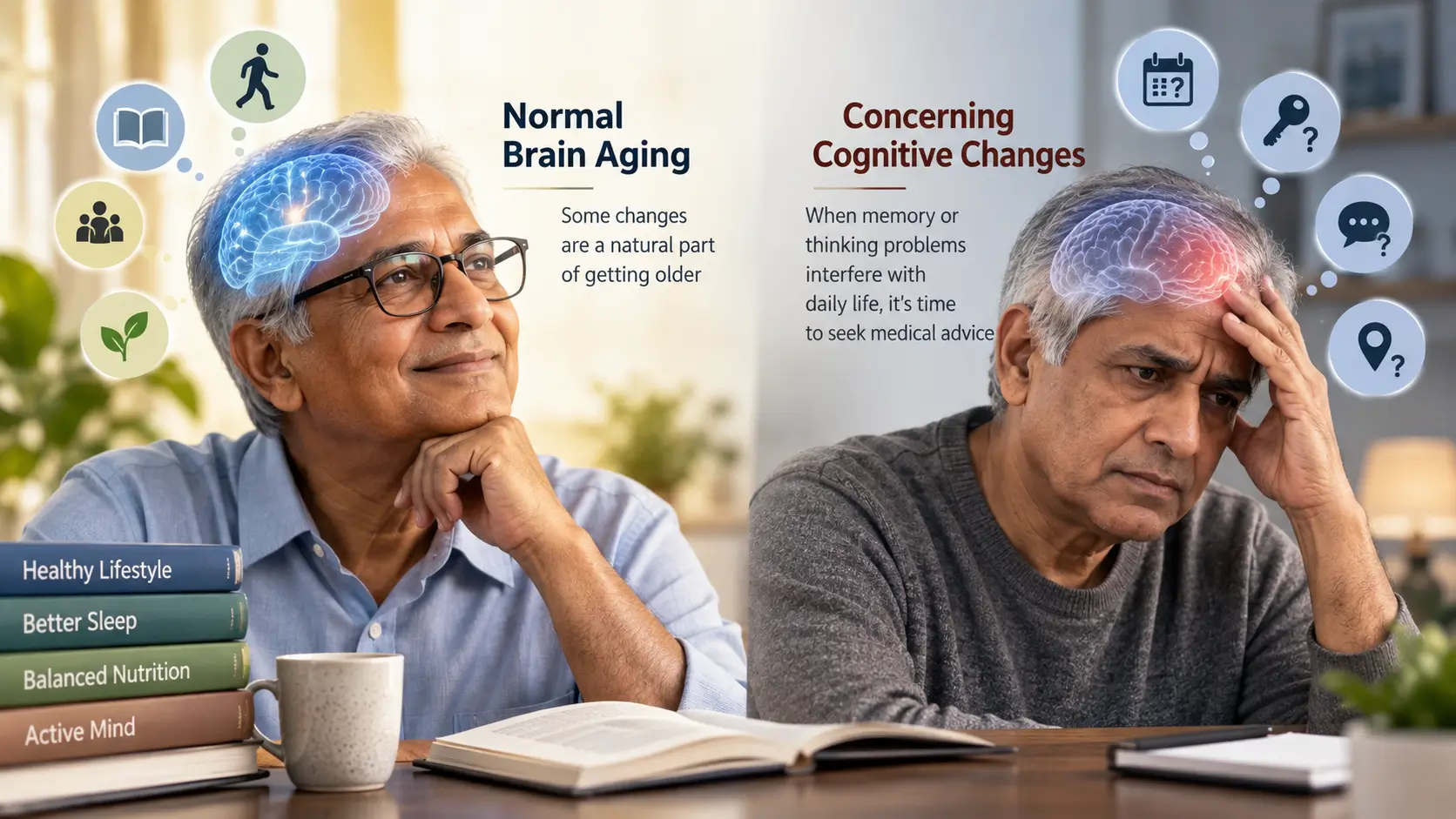

Getting older does not automatically mean losing your memory or developing dementia.
The brain changes throughout adulthood. With normal aging, some people take longer to recall a name, learn unfamiliar information or switch between several tasks. At the same time, knowledge, vocabulary and skills built through years of experience can remain strong.
The more important question is not whether the brain changes with age—it does—but which changes are part of normal aging, which may signal a medical problem, and what can reasonably be done to support brain health.
Current guidance from the World Health Organization (WHO) and the U.S. National Institute on Aging (NIA) emphasizes a broad approach: physical activity, healthy eating, good sleep, management of cardiovascular and metabolic health, social and cognitive engagement, avoiding tobacco and harmful alcohol use, and addressing hearing or vision problems can all contribute to healthier aging.
These habits cannot guarantee that someone will avoid dementia. They are better understood as ways of supporting overall brain and body health and potentially reducing some modifiable risks.
What happens to the brain as you age?
Normal aging can affect the brain in several ways.
The NIA notes that some brain regions become smaller with age, communication between neurons can become less efficient, blood flow may decrease and certain inflammatory processes can change.
These biological changes do not mean that an older person’s brain stops learning.
Some common changes include:
- Taking longer to recall a person’s name or a particular word
- Needing more time to learn unfamiliar information
- Finding multitasking more difficult
- Experiencing mild changes in attention or processing speed
- Occasionally forgetting something and remembering it later
Importantly, the aging brain also retains substantial capacity for learning and adaptation. Older adults can learn new skills, form new memories and continue developing knowledge.
In other words, slower does not necessarily mean impaired.
Is memory loss a normal part of aging?
Some forgetfulness is normal.
For example, occasionally forgetting where you placed your keys, struggling briefly to recall a name, or walking into a room and forgetting why you went there can happen with normal aging.
The more concerning pattern is when memory or thinking problems begin interfering with everyday independence.
Examples include:
| More consistent with ordinary aging | More concerning and worth medical evaluation |
|---|---|
| Occasionally forgetting a name but remembering later | Frequently forgetting important information |
| Misplacing something occasionally | Regularly losing things and being unable to retrace your steps |
| Forgetting an appointment occasionally | Repeatedly missing important appointments despite reminders |
| Taking longer to learn something new | Increasing difficulty learning or following familiar tasks |
| Forgetting the day and then remembering | Frequently losing track of dates or time |
| Occasionally making a poor decision | Repeatedly making unsafe or unusually poor decisions |
This is not a diagnostic checklist. Memory problems have many possible causes, and only an appropriate clinical evaluation can determine what is happening.
The NIA emphasizes that dementia is not a normal part of aging. Some memory problems can also result from conditions such as depression, medication effects, metabolic problems, illness or other medical issues that may need treatment.
Aging brain vs dementia: why the distinction matters
Dementia refers to a decline in cognitive abilities severe enough to interfere with everyday life.
It is different from the occasional forgetfulness associated with normal aging.
Mild cognitive impairment, or MCI, sits between normal age-related changes and dementia for some people. A person with MCI may have noticeable memory or thinking problems but can often continue managing everyday activities independently.
Not everyone with MCI develops dementia.
That is why persistent or worsening changes should not simply be dismissed as “getting old.”
If you or someone close to you has a noticeable change in memory, language, judgment, personality or ability to manage everyday tasks, a healthcare professional can help determine whether evaluation is appropriate.
What can you do to support an aging brain?
There is no single exercise, food, supplement or mental game that guarantees protection against cognitive decline.
Brain health is better approached as a long-term combination of habits and medical risk management.
1. Keep moving
Physical activity is one of the most useful general strategies for healthy aging.
Regular activity supports cardiovascular health, physical function, mood and sleep, and research also links physical activity with aspects of cognitive health.
You do not necessarily need a gym.
For an Indian adult, realistic options might include:
- Brisk walking
- Cycling
- Swimming
- Dancing
- Gardening
- Active household work
- Strength exercises appropriate to your abilities
- Group walking or exercise classes
If you have been inactive for a long time, start at a manageable level and build gradually. People with significant medical conditions, balance problems or concerns about starting vigorous exercise should discuss an appropriate plan with a healthcare professional.
The goal is consistency rather than an extreme workout routine.
2. Treat heart health as brain health too
The brain depends on a healthy blood supply, so cardiovascular risk factors matter.
High blood pressure, diabetes and high cholesterol are among the health conditions associated with cognitive decline and dementia risk.
This is one reason brain health should not be separated from routine preventive healthcare.
Practical steps include:
- Know your blood pressure.
- Follow recommended screening for diabetes and cholesterol.
- Take prescribed medicines as directed.
- Maintain an appropriate level of physical activity.
- Avoid smoking.
- Discuss persistent abnormal results with your healthcare professional.
Do not stop or change prescribed medicines because of information in an online article.
3. Eat a varied, balanced diet
There is no single “best brain food.”
A healthier approach is to build an overall dietary pattern around a variety of nutrient-dense foods.
The ICMR-National Institute of Nutrition’s Dietary Guidelines for Indians emphasize dietary diversity and wholesome foods, including vegetables, fruits, whole grains, pulses or beans, nuts and seeds.
For an Indian household, that can translate into ordinary foods such as:
- Dal and other pulses
- Rajma or chickpeas
- Seasonal vegetables
- Green leafy vegetables
- Fruits
- Whole grains and minimally polished grains
- Nuts and seeds
- Yogurt or other suitable dairy foods
- Fish, eggs or other appropriate protein sources
Your diet does not need to resemble an expensive “superfood” plan.
A simple dal-and-vegetable meal with an appropriate grain can be a much more realistic long-term strategy than buying specialised products marketed for brain health.
4. Protect your sleep
Sleep is closely connected with attention, mood, memory and overall health.
The NIA says adults, including older adults, generally need around 7 to 9 hours of sleep each night.
If you regularly struggle to sleep, wake frequently, feel excessively sleepy during the day or suspect a sleep disorder such as sleep apnea, do not assume it is simply an unavoidable consequence of getting older.
Discuss persistent sleep problems with a healthcare professional.
Helpful habits can include:
- Keeping a reasonably consistent sleep schedule
- Making the bedroom comfortable and quiet
- Limiting habits that interfere with sleep
- Getting regular daytime activity
- Addressing persistent insomnia rather than relying indefinitely on self-treatment
5. Keep learning and mentally engaging
The brain benefits from being used, but this does not mean you need a special “brain game.”
Meaningful activities can include:
- Learning a language
- Reading
- Learning a musical instrument
- Cooking unfamiliar recipes
- Photography
- Writing
- Gardening
- Playing strategy games
- Taking a class
- Learning a practical digital skill
The evidence is stronger for some structured cognitive-training approaches than for commercial brain-training apps.
The NIA specifically cautions that there is not enough evidence to conclude that commercially available brain-training applications produce the same benefits seen in carefully studied cognitive-training programs.
The practical takeaway is simple: choose mentally engaging activities that you enjoy and are likely to continue.
6. Stay socially connected
Social connection is part of brain health, not merely a lifestyle extra.
Regular contact with family, friends, neighbours, community groups or volunteering can provide mental stimulation and emotional support.
For older adults, practical possibilities might include:
- Walking with a friend
- Visiting relatives
- Joining a local community group
- Volunteering
- Participating in religious or cultural community activities if personally meaningful
- Attending classes
- Calling friends or family members who live elsewhere
Social connection should not be treated as a guaranteed dementia-prevention treatment. But avoiding prolonged isolation is a reasonable component of healthy aging, and WHO identifies social isolation among modifiable factors associated with dementia risk.
7. Do not ignore hearing or vision problems
Difficulty hearing can affect communication, social participation and cognitive health.
If you frequently ask people to repeat themselves, struggle to follow conversations in groups or notice a persistent decline in hearing, consider a proper hearing assessment.
The evidence concerning hearing treatment and cognitive decline is still developing. An NIH-funded trial found a meaningful reduction in the rate of cognitive decline among a higher-risk subgroup of older adults who received hearing aids, while the overall study population did not show the same effect.
That is an important distinction.
Hearing aids should not be presented as a guaranteed dementia-prevention treatment. But untreated hearing loss is worth addressing for communication, safety and overall quality of life.
Vision problems also deserve appropriate attention.
8. Avoid tobacco and limit harmful alcohol use
Smoking is harmful to cardiovascular health and is associated with increased dementia risk.
Alcohol also deserves caution. WHO identifies harmful alcohol use as a modifiable dementia risk factor, while the NIA advises limiting alcohol.
This does not mean an individual should suddenly stop heavy alcohol use without considering withdrawal risk. People who may be dependent on alcohol should seek appropriate medical advice rather than attempting an unsafe abrupt withdrawal on their own.
9. Protect the brain from injury
Falls and head injuries can have serious consequences, particularly in older adults.
Simple safety measures can matter:
- Keep walking areas free of avoidable obstacles.
- Use appropriate lighting at home.
- Address vision problems.
- Work on balance and strength.
- Use appropriate protective equipment for activities where head injury is possible.
- Seek medical assessment after a significant head injury.
Brain health is not only about dementia. Preventing traumatic brain injury is part of protecting the brain throughout life.
10. Review medicines and health conditions
Memory or concentration problems do not automatically mean dementia.
Medication side effects, depression, sleep problems, metabolic or endocrine disorders, infections and other medical conditions can affect cognition.
If a new medication is followed by noticeable changes in memory, alertness or sleep, discuss the issue with the prescribing clinician or pharmacist rather than stopping the medicine yourself.
This is especially important for older adults who take several medicines.
What about vitamins and “brain supplements”?
Be cautious with products marketed as memory boosters, brain enhancers or dementia-prevention supplements.
The existence of a biological theory does not prove that a supplement improves cognitive health in people.
Current WHO guidance does not recommend vitamins B or E, omega-3 supplements, or multivitamin/mineral supplementation specifically for reducing cognitive decline or dementia risk in people without a diagnosed deficiency.
The NIA also notes that no vitamin or supplement has been proven to prevent Alzheimer’s disease.
That does not mean every supplement is useless. A person with a genuine nutritional deficiency may need treatment. The point is that treating a deficiency is different from taking a supplement as a general dementia-prevention strategy.
Before taking supplements regularly, particularly if you take prescription medicines, discuss them with an appropriate healthcare professional.
Can a “brain diet” prevent dementia?
No diet can guarantee that a person will avoid dementia.
Research has associated several healthy dietary patterns with better cognitive outcomes, but association does not automatically establish that a particular diet prevents dementia.
For everyday eating, a sensible approach is more useful than chasing a branded brain diet:
More often:
- Vegetables
- Fruits
- Pulses
- Whole grains
- Nuts and seeds
- Appropriate protein sources
- Varied minimally processed foods
Less often:
- Foods high in added sugars
- Excess sodium
- Highly processed snack foods
- Excess unhealthy fats
- Excess alcohol
This approach also aligns well with general healthy-eating principles already relevant to heart health and metabolic health.
A realistic daily routine for an aging brain
You do not need a complicated “brain optimisation” program.
A realistic routine might look like this:
Morning
- Wake at a reasonably consistent time.
- Have a balanced breakfast if you eat breakfast.
- Walk or perform another suitable form of physical activity.
During the day
- Eat varied meals containing vegetables, pulses, whole grains and appropriate protein.
- Work, read, learn or perform another mentally engaging activity.
- Maintain contact with family, friends or colleagues.
- Take prescribed medicines as directed.
Evening
- Avoid turning the entire evening into passive screen time.
- Choose a relaxing activity.
- Keep a consistent sleep routine.
Weekly
- Include regular physical activity.
- Include some strength and balance work if appropriate.
- Make time for social interaction.
- Review whether health appointments or screening are due.
This is not a prescription for preventing dementia. It is simply a practical framework for supporting healthy aging.
Common mistakes people make about brain aging
Mistake 1: Assuming every memory lapse means Alzheimer’s
Occasional forgetfulness is common.
The pattern, severity and effect on everyday functioning matter more than one isolated lapse.
Mistake 2: Assuming dementia is inevitable
It is not.
Age is the strongest known risk factor for dementia, but WHO identifies several modifiable factors that can influence risk.
Mistake 3: Searching for one “miracle” brain food
Brain health is not determined by one fruit, nut, spice or supplement.
Overall dietary pattern and general health matter more.
Mistake 4: Ignoring blood pressure
A person can feel completely well while having high blood pressure.
Because cardiovascular health and brain health are connected, routine blood-pressure management matters.
Mistake 5: Buying expensive brain supplements
Marketing claims can be considerably stronger than the evidence.
Check whether a product has demonstrated meaningful benefits in well-designed human studies before spending money on it.
Mistake 6: Dismissing progressive cognitive changes as “just aging”
This can delay evaluation of conditions that may be treatable, manageable or important to diagnose early.
When should memory problems be checked?
Speak with a healthcare professional if memory or thinking changes are:
- Clearly worsening over time
- Interfering with work or daily activities
- Affecting finances or medication management
- Causing problems with driving or navigation
- Accompanied by major changes in language or behaviour
- Noticed by several family members
- Associated with repeated confusion or unusual judgment
A sudden change in mental status is different from gradual age-related forgetfulness and can require urgent medical assessment, particularly if it occurs with symptoms such as weakness, difficulty speaking, severe headache, loss of consciousness or other signs of a neurological emergency.
Do not wait for an online article to determine whether a concerning symptom is “normal aging.”
The bottom line
Aging changes the brain, but healthy brain aging is not the same thing as dementia.
Some slowing of memory retrieval, learning or multitasking can occur with normal aging. At the same time, persistent or progressive cognitive problems that interfere with everyday life deserve professional evaluation.
The most useful approach is not to search for a single brain-boosting trick.
Instead:
- Stay physically active.
- Eat a varied, balanced diet.
- Sleep adequately.
- Keep blood pressure, blood sugar and cholesterol under appropriate control.
- Stay socially and mentally engaged.
- Address hearing and vision problems.
- Avoid tobacco and harmful alcohol use.
- Protect yourself from head injuries.
- Review concerning symptoms and medication effects with a healthcare professional.
These measures cannot promise a dementia-free future. They can, however, form part of a broader strategy for healthier aging and better overall physical and cognitive health.
Frequently Asked Questions
Is some memory loss normal as you age?
Yes. Occasional forgetfulness can occur with normal aging. However, memory problems that progressively worsen or interfere with everyday activities should be evaluated by a healthcare professional.
Is dementia a normal part of aging?
No. Dementia becomes more common with age, but it is not considered a normal consequence of getting older.
What is the most important thing I can do for an aging brain?
There is no single intervention that is best for everyone. A combination of regular physical activity, healthy eating, adequate sleep, cardiovascular risk management, social and cognitive engagement, and avoidance of tobacco and harmful alcohol use provides a more evidence-informed approach.
Does exercise help brain health as you get older?
Regular physical activity supports overall health and is associated with aspects of cognitive health. It also benefits cardiovascular health, mood, sleep and physical function.
Can supplements prevent dementia?
Current evidence does not support taking vitamins or supplements routinely as a guaranteed way to prevent dementia. WHO’s 2026 guidance does not recommend certain supplements, including vitamins B and E, omega-3 PUFA and multivitamins/minerals, for dementia-risk reduction in the absence of a diagnosed deficiency.
How much sleep do older adults need?
Older adults generally need about 7–9 hours of sleep per night. Persistent sleep problems, excessive daytime sleepiness or suspected sleep disorders should be discussed with a healthcare professional.
Can hearing loss affect cognitive health?
Hearing loss is associated with cognitive decline and dementia risk. Research into whether treating hearing loss directly reduces cognitive decline is ongoing; hearing assessment and appropriate treatment remain important for communication and overall health.
When should an older person see a doctor about memory?
Medical evaluation is appropriate when memory or thinking changes are persistent, worsening, interfere with everyday activities, or concern the person or their family.
Medical Disclaimer
This article is provided for general health education and informational purposes. It discusses normal brain aging, cognitive health and lifestyle factors that may influence brain health, but it cannot determine whether a particular person’s memory or thinking changes are normal.
The information is not a personal diagnosis and does not replace evaluation, diagnosis or treatment from a qualified healthcare professional. Do not start, stop or change prescription medicines or supplements based solely on this article.
If memory, thinking, behaviour or daily functioning is changing significantly or progressively, seek appropriate medical evaluation. Sudden confusion or neurological symptoms such as weakness, difficulty speaking, loss of consciousness or a severe unusual headache require urgent medical attention.



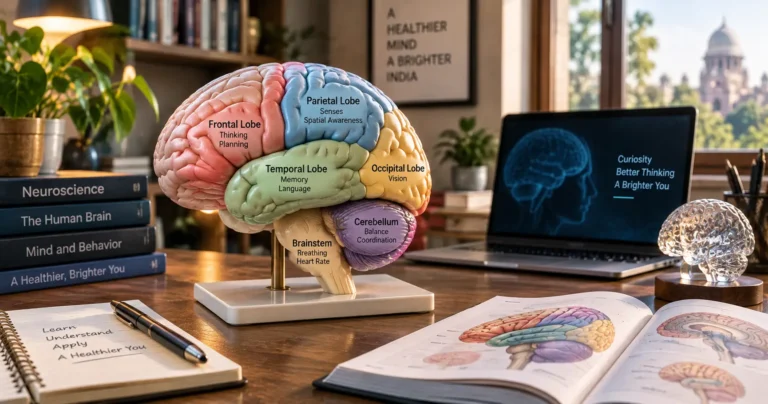
[…] disease is a progressive neurological disease that damages brain cells and gradually affects memory, thinking, behaviour and everyday […]