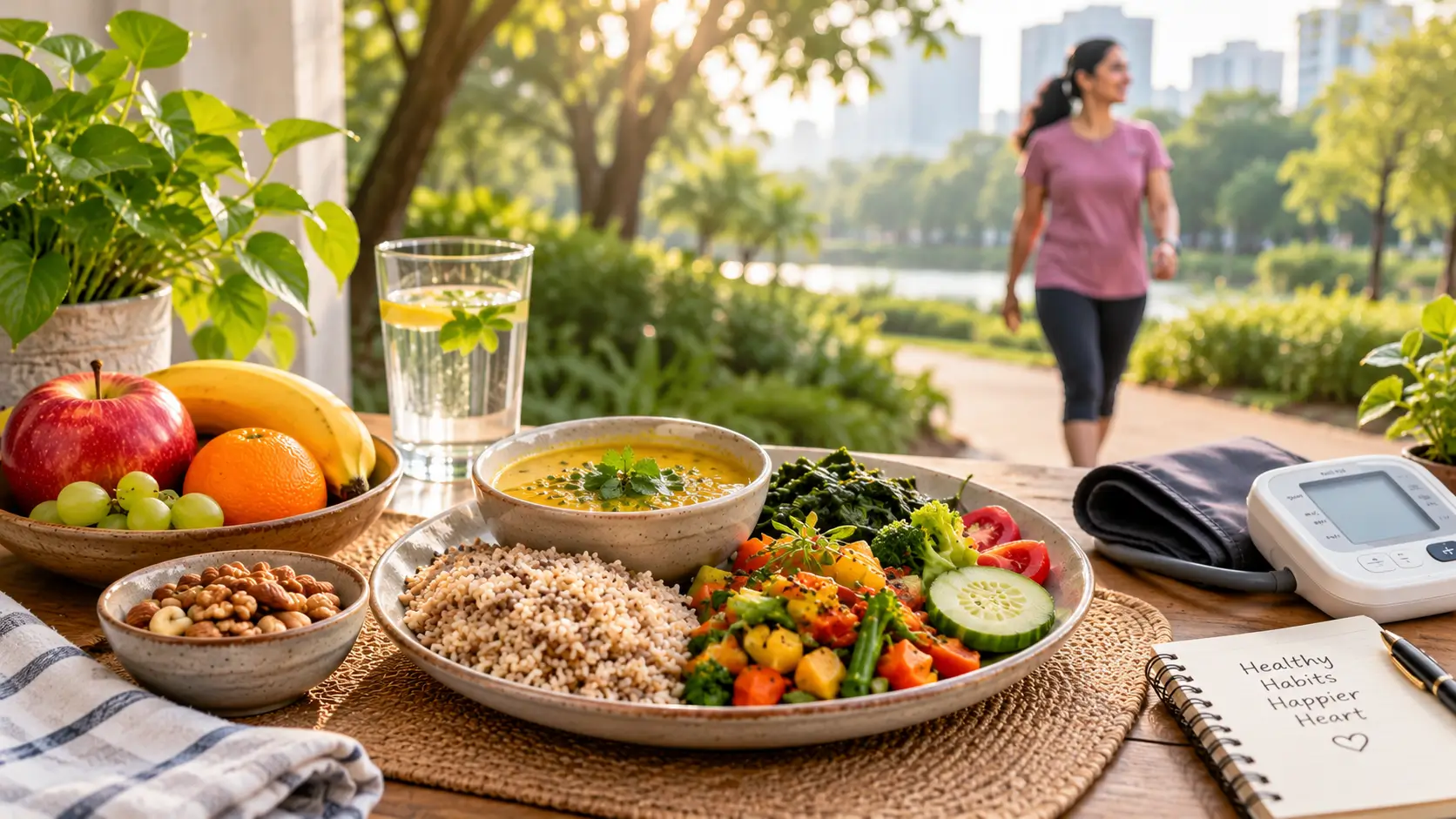

Heart disease prevention is not about finding one “best” food, supplement or workout. It is mainly about reducing the cardiovascular risk factors you can influence over time: tobacco exposure, physical inactivity, unhealthy eating patterns, high blood pressure, abnormal cholesterol, high blood glucose, excess body weight and poor sleep.
The encouraging part is that many of these factors are modifiable. But prevention is not a guarantee. Age, family history, genetics and existing medical conditions can also influence cardiovascular risk.
Quick Answer
The most useful steps for preventing heart disease are to avoid tobacco, eat a varied diet based largely on vegetables, fruits, pulses, whole grains and other minimally processed foods, stay physically active, maintain a sustainable weight, get adequate sleep and know important health measures such as blood pressure, cholesterol and blood glucose.
For adults, WHO recommends 150–300 minutes of moderate-intensity aerobic activity or 75–150 minutes of vigorous activity each week, plus muscle-strengthening activity on at least two days a week.
What Is Heart Disease Prevention?
Heart disease prevention means reducing the likelihood of developing cardiovascular conditions such as coronary heart disease and heart attack.
WHO identifies unhealthy diet, physical inactivity, tobacco use and harmful alcohol use among major behavioural cardiovascular risk factors. These behaviours can contribute to high blood pressure, abnormal blood glucose, unhealthy blood lipids and overweight or obesity.
Some risk factors cannot be changed. These include age and family history. The goal is therefore not to make cardiovascular risk zero, but to reduce the factors that can be modified and identify important risks early.
1. Build a Heart-Healthy Eating Pattern
A heart-healthy diet does not require expensive “superfoods” or a rigid meal plan.
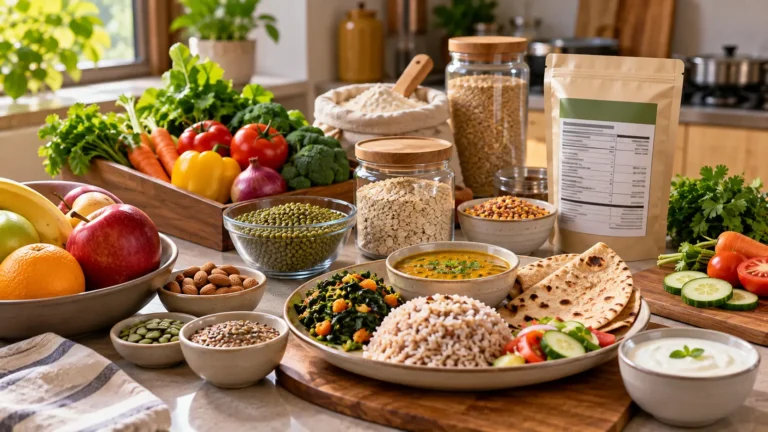
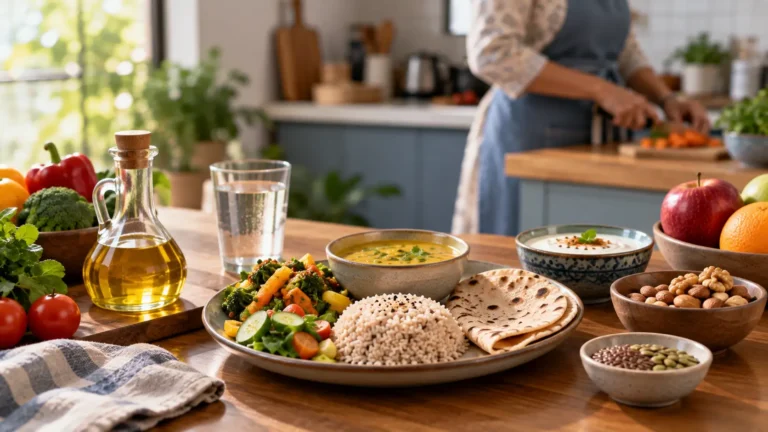
For many Indian adults, a practical pattern can include:
- vegetables at most meals
- seasonal fruits
- dal, rajma, chana and other pulses
- whole or less-refined grains
- nuts and seeds in appropriate portions
- curd and other suitable dairy foods
- fish, eggs or other protein sources according to dietary preference
- minimally processed foods more often
ICMR-NIN’s Dietary Guidelines for Indians 2024 emphasize dietary variety, healthier food choices and prevention of diet-related chronic disease.
It is also useful to reduce excessive intake of foods high in salt, added sugars, unhealthy fats and highly processed ingredients.
Do not focus on one “heart-protective” food. The overall eating pattern matters more.
2. Be Physically Active Every Week
Regular physical activity is one of the most consistently supported lifestyle measures for cardiovascular health.
WHO recommends that adults do at least 150–300 minutes of moderate-intensity aerobic activity each week, or 75–150 minutes of vigorous activity, or an equivalent combination. Muscle-strengthening activities involving major muscle groups should be performed on at least two days per week.
You do not need a gym.
Walking, cycling, swimming, dancing, active commuting, household activity and structured exercise can all contribute to physical activity.
If you are currently inactive, start with a manageable amount and gradually increase your activity.
If you have known heart disease, significant symptoms or important exercise limitations, ask a healthcare professional what level and type of exercise is appropriate.
3. Avoid Tobacco and Nicotine Exposure
Tobacco is a major preventable cardiovascular risk factor.
This includes cigarettes as well as other tobacco products. In India, people may encounter cigarettes, bidis, smokeless tobacco and tobacco-containing products in several forms.
Do not assume that smokeless tobacco is harmless simply because it is not smoked.
WHO states that all forms of tobacco use are harmful and identifies tobacco as an important risk factor for cardiovascular disease and stroke.
If you use tobacco and want to quit, professional cessation support can be useful.
4. Know Your Blood Pressure
High blood pressure often produces no obvious symptoms, which makes routine measurement important.
Indian government hypertension guidance recommends opportunistic screening for adults aged 18 years and older.
A single elevated reading does not necessarily establish a diagnosis. Blood-pressure assessment should be performed appropriately and interpreted by a healthcare professional when readings are persistently high or concerning.
If you have hypertension, lifestyle measures are important, but they should not replace prescribed treatment.
5. Pay Attention to Cholesterol
Cholesterol is necessary for normal body function, but abnormal blood lipid levels can increase cardiovascular risk.
A lipid profile can help healthcare professionals assess cholesterol-related risk. LDL cholesterol is one important measure, but cardiovascular risk is not determined by one laboratory number alone.
Your age, blood pressure, diabetes status, tobacco exposure, family history and other factors may influence the appropriate approach.
If you already have high cholesterol, do not assume that diet alone will always be sufficient. Some people need medication as well as lifestyle changes.
6. Manage Blood Sugar
Persistently high blood glucose and diabetes can increase cardiovascular risk.
A heart-health strategy should therefore include appropriate prevention, detection and management of diabetes.
Rather than waiting for symptoms, people with relevant risk factors should discuss whether blood-glucose testing is appropriate with a healthcare professional.
If you have diabetes, lifestyle measures are important but should complement—not replace—your treatment plan.
7. Aim for a Sustainable Healthy Weight
Excess body weight can contribute to several cardiovascular risk factors, including high blood pressure, abnormal blood glucose and unhealthy lipid levels.
However, weight should not be treated as the only measure of heart health.
Avoid extreme diets or promises of rapid fat loss. A sustainable eating pattern, regular physical activity, adequate sleep and appropriate medical support are more useful long-term strategies.
8. Make Sleep Part of Heart Health
Sleep is often overlooked when people think about cardiovascular prevention.
The American Heart Association includes healthy sleep among its Life’s Essential 8 measures and recommends that adults generally aim for 7–9 hours of sleep.
Sleep health involves more than a number. Regularity, sleep quality and daytime functioning also matter.
If you regularly snore loudly, wake up gasping, have persistent insomnia or experience excessive daytime sleepiness, discuss these symptoms with a healthcare professional rather than relying only on sleep-hygiene tips.
What About Alcohol?
If you do not drink alcohol, there is no need to start for heart-health reasons.
WHO states that there is no amount of alcohol that can be considered completely risk-free for health.
For people who drink, reducing consumption can reduce health risks. Individual circumstances, existing medical conditions and medications can make alcohol particularly inappropriate for some people.
Do Supplements Prevent Heart Disease?
Be cautious with products advertised as:
- artery cleansers
- heart detoxes
- natural cholesterol cures
- clot-dissolving remedies
- guaranteed heart supplements
There is no universal supplement that should replace proven cardiovascular risk-factor management.
Supplements can also interact with medicines and may not be appropriate for everyone.
What Healthy Lifestyle Changes Cannot Do
Healthy habits can reduce risk, but they cannot guarantee that someone will never develop heart disease.
Family history, age, genetics and some medical conditions still matter.
Similarly, lifestyle changes should not be presented as substitutes for medical treatment when someone has hypertension, diabetes, high cholesterol or established cardiovascular disease.
Common Heart-Health Mistakes
Mistake 1: Looking for one miracle food
No single food can compensate for an unhealthy overall dietary pattern.
Mistake 2: Thinking exercise cancels out poor eating
Physical activity is valuable, but it does not make an otherwise unhealthy diet automatically heart-healthy.
Mistake 3: Ignoring blood pressure because you feel well
High blood pressure can be silent.
Mistake 4: Assuming supplements are automatically safer
“Natural” does not mean risk-free.
Mistake 5: Waiting for symptoms before taking prevention seriously
Some cardiovascular risk factors can develop without noticeable symptoms.
When to Seek Medical Help
Prevention advice is not appropriate treatment for an emergency.
Seek emergency medical attention immediately if someone develops possible heart-attack symptoms such as chest pain or pressure, discomfort spreading to the arm, shoulder, jaw or back, shortness of breath, cold sweating, nausea, faintness or other sudden concerning symptoms.
Sudden facial, arm or leg weakness—especially on one side—difficulty speaking, sudden vision problems, loss of balance or a severe unexplained headache can be warning signs of stroke.
Do not wait for a home remedy, supplement or dietary change to work.
A Simple Weekly Heart-Health Checklist
Each week, ask:
- Did I get regular physical activity?
- Did I eat vegetables and fruit regularly?
- Did I include pulses, whole grains, nuts or other nutritious foods?
- Did I limit excessive salt and highly processed foods?
- Did I avoid tobacco?
- Am I getting enough sleep?
- Do I know my blood-pressure status?
- If I have diabetes or high cholesterol, am I following my healthcare plan?
- Am I making changes I can realistically maintain?
The objective is consistency—not perfection.
Practical Takeaway
Heart disease prevention is built from several ordinary decisions repeated over time.
For most adults, the strongest foundation is a nutritious dietary pattern, regular physical activity, tobacco avoidance, adequate sleep and appropriate management of blood pressure, cholesterol and blood glucose.
You do not need a miracle food or complicated health routine. You need a sustainable approach—and when risk factors or symptoms require medical attention, professional care should be part of that approach.
PEOPLE ALSO ASK
Can heart disease be completely prevented?
No. Healthy habits can substantially reduce exposure to modifiable risk factors, but they cannot eliminate risk completely. Age, genetics, family history and existing medical conditions also matter.
What is the most important way to prevent heart disease?
There is no single intervention for everyone. Avoiding tobacco, maintaining a healthy diet and regular physical activity, and identifying and managing blood pressure, cholesterol and blood glucose are among the major components of cardiovascular prevention.
Is walking good for heart health?
Yes. Walking can contribute to the regular aerobic physical activity recommended for adults. WHO recommends 150–300 minutes of moderate-intensity activity per week, or an equivalent amount of vigorous activity.
What Indian foods are suitable for a heart-healthy diet?
Vegetables, fruits, dal, rajma, chana, other pulses, whole or less-refined grains, nuts and seeds can all fit into a heart-conscious dietary pattern. The overall diet and preparation method matter more than any single food.
How much salt should adults consume?
WHO recommends less than 2,000 mg of sodium per day, equivalent to less than 5 g of salt per day for adults.
Does sleep affect heart health?
Yes. Healthy sleep is included in the American Heart Association’s cardiovascular-health framework. Adults are generally advised to aim for about 7–9 hours of sleep, while sleep quality and regularity also matter.
Can supplements prevent heart disease?
There is no general supplement recommendation that replaces healthy lifestyle measures and appropriate management of cardiovascular risk factors. Supplements can also interact with medicines.
Should people without symptoms check their blood pressure?
Blood pressure can be elevated without obvious symptoms. Indian government hypertension guidance recommends opportunistic screening for adults aged 18 and older.
MEDICAL DISCLAIMER
This article is for general health education and does not diagnose or treat heart disease or provide individualized medical advice.
Individual cardiovascular risk varies according to age, family history, medical conditions, medications, blood pressure, cholesterol, blood glucose and other factors.
If you have hypertension, diabetes, high cholesterol, known cardiovascular disease or significant risk factors, discuss prevention and treatment with an appropriately qualified healthcare professional.
Do not start, stop or change prescription medication based solely on this article.
If you experience symptoms that could indicate a heart attack or stroke, seek urgent emergency medical attention rather than relying on dietary changes, supplements or home remedies.