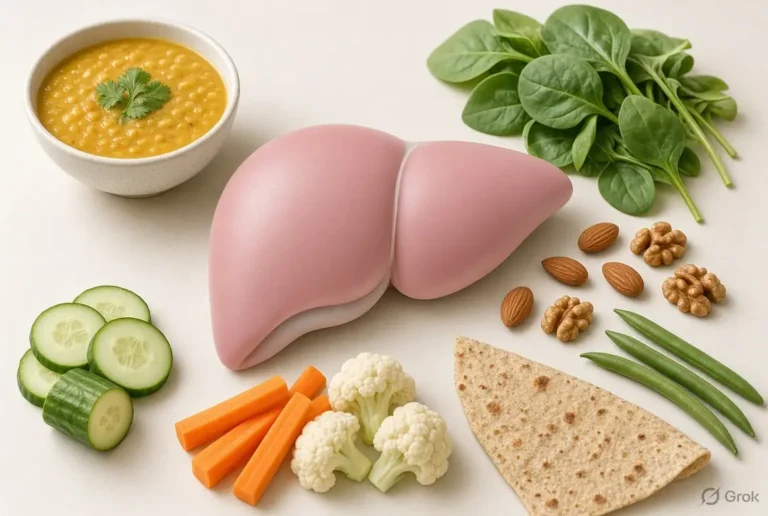


If you exercise regularly or participate in sport, nutrition is not just about eating more protein. Your body needs enough energy, carbohydrates, protein, fats, fluids, electrolytes, vitamins and minerals to support training, recovery and normal body function.
The important point is that athletic nutrition is highly individual. A marathon runner, strength athlete, football player and recreational gym-goer do not necessarily need the same diet. Training volume, sport, body size, environment, goals and health all influence nutritional needs.
For most active adults, the foundation is simple: eat enough nutritious food, include appropriate carbohydrate and protein sources, stay adequately hydrated and avoid assuming that supplements are automatically necessary.
Quick Answer
The key nutrients for athletes include carbohydrates, protein and dietary fats, together with fluids, electrolytes, vitamins and minerals. Carbohydrates are an important fuel source for demanding exercise, while protein provides amino acids needed for maintaining and repairing muscle. Fluids and electrolytes help support normal fluid balance, particularly when sweating is substantial.
Supplements may have a role in specific circumstances, but they should add to a good diet rather than replace it.
What Are Athletic Nutrients?
“Athletic nutrients” is not a formal medical category. It is a useful way of describing the nutrients that support people who train or compete regularly.
They can be divided into several broad groups:
- Macronutrients: carbohydrates, protein and fat
- Fluids and electrolytes: water and minerals such as sodium and potassium
- Micronutrients: vitamins and minerals
- Energy: calories supplied by food and beverages
These nutrients work together rather than independently.
1. Energy Comes First
Before worrying about individual nutrients, athletes need enough total energy.
Training increases energy expenditure. If food intake consistently fails to meet the body’s needs, it can become harder to support training, recovery and normal physiological functions.
This is one reason an athlete can eat plenty of protein but still have a poorly designed diet.
A practical starting point is to build meals around:
Carbohydrate + protein + vegetables or fruit + an appropriate source of fat
The exact amounts should change according to training demands.
2. Carbohydrates Provide Important Exercise Fuel
Carbohydrates are often unfairly treated as something athletes should avoid.
During demanding exercise, stored carbohydrate in the form of muscle glycogen is an important fuel source. This becomes particularly relevant for endurance exercise and repeated high-intensity activity.
Useful carbohydrate foods include:
- rice
- roti
- oats
- potatoes
- bananas
- other fruits
- whole grains
- dal and other pulses
- milk and curd
The amount needed depends heavily on training volume and sport. Someone exercising casually for 30 minutes does not have the same carbohydrate requirements as someone completing long endurance sessions.
That means there is no single carbohydrate target that works for every athlete.
3. Protein Supports Muscle Maintenance and Recovery
Protein supplies amino acids used to build and repair body tissues.
Regular exercise, especially resistance training, increases the importance of adequate protein intake. Research and sports-nutrition position statements commonly place the needs of exercising individuals above those of sedentary adults.
For many exercising people, approximately 1.4–2.0 grams of protein per kilogram of body weight per day is a commonly cited range, although individual requirements vary.
For example, a 70-kg exercising adult would correspond to roughly 98–140 grams per day within that range.
That is not a universal prescription.
Protein can come from:
- dal
- rajma
- chana
- soy foods
- milk
- curd
- paneer
- eggs
- fish
- chicken
- other suitable protein-rich foods
A protein powder can be convenient, but convenience is different from necessity.
4. Dietary Fat Still Matters
Fat is not simply something athletes should eliminate.
Dietary fat supplies energy and essential fatty acids and helps the body absorb fat-soluble vitamins.
Useful sources include:
- nuts
- seeds
- peanuts
- fish
- vegetable oils
- dairy foods
- avocado where available
The goal is not to maximize fat intake. It is to include appropriate amounts within an overall balanced eating pattern.
5. Fluids and Electrolytes Matter
Hydration becomes especially important when exercise causes substantial sweating.
Water is usually an important starting point, but fluid requirements vary according to exercise duration, intensity, temperature, humidity, clothing and individual sweat rate.
Both inadequate hydration and excessive drinking can create problems.
For shorter, easier exercise, ordinary water and normal meals may be sufficient. Longer sessions, heavy sweating or hot conditions may require a more deliberate strategy involving fluids and, in some situations, electrolytes and carbohydrate.
This is particularly relevant in hot Indian conditions.
Do not assume that drinking as much as possible is safer. Hydration should aim to replace meaningful fluid losses without excessive intake.
6. Vitamins and Minerals Should Not Be Forgotten
Athletes need vitamins and minerals just as other people do.
Nutrients such as iron, calcium, vitamin D, magnesium and several B vitamins have important physiological roles.
Iron deserves particular attention in some athletes because inadequate iron status can affect oxygen transport and physical performance. Risk varies according to sex, diet, training and other factors.
Calcium and vitamin D are important for bone health.
However, this does not mean every athlete should automatically take a multivitamin or mineral supplement.
A varied diet should normally be the first source of micronutrients. Supplementation becomes more relevant when there is a diagnosed deficiency, inadequate intake, a medically relevant condition or another specific indication.
7. What Should an Indian Athlete Eat?
Athletic nutrition does not require expensive imported foods.
A practical Indian meal could contain:
Rice or roti + dal/rajma/chana + vegetables + curd
Another meal might include:
Roti + paneer/eggs/fish/chicken + vegetables + fruit
For snacks, options could include:
- fruit and curd
- milk and banana
- roasted chana
- nuts and fruit
- peanut-based foods
- a suitable protein-rich snack
The exact portions depend on body size, training and goals.
Before, During and After Exercise
Nutrition timing should match the activity.
Before exercise
A meal or snack containing carbohydrate can provide useful fuel, while including some protein may also fit the overall diet.
Choose foods that you already tolerate well rather than experimenting with unfamiliar foods immediately before competition.
During exercise
During shorter sessions, additional food may not be necessary.
During prolonged or demanding exercise, carbohydrate and fluids can become more important.
After exercise
Recovery meals should replace fluids and provide carbohydrate and protein according to the training session and the time available before the next session.
There is no requirement for every person to consume a special “recovery product.”
Ordinary food can often do the job.
Do Athletes Need Supplements?
Not automatically.
The NIH Office of Dietary Supplements notes that performance supplements vary substantially in their evidence, and many products contain combinations that have not been adequately studied together.
Some individual supplements have evidence for particular situations, while others have little or inconsistent evidence.
This is why “more supplements” should not be confused with “better nutrition.”
Competitive athletes also need to consider product quality and the possibility of contamination or prohibited substances.
Anyone considering performance supplements should discuss them with an appropriately qualified healthcare or sports-nutrition professional, particularly when medications, medical conditions or competitive anti-doping rules are involved.
Common Athletic Nutrition Mistakes
Eating too little because of fear of weight gain
Restricting food excessively can make it harder to support training and recovery.
Treating protein as the entire diet
Protein matters, but carbohydrates, fats, fluids and micronutrients matter too.
Replacing meals with supplements
A protein shake may be convenient, but it does not automatically provide everything a balanced meal provides.
Drinking excessive amounts of water
More fluid is not always better.
Taking vitamins without a reason
High-dose supplementation is not automatically beneficial and can sometimes create problems.
When Should You Seek Professional Nutrition Advice?
Individualized advice is especially useful if you:
- train at high volume or competitive level
- repeatedly feel unusually fatigued during training
- have unexplained weight changes
- follow a highly restrictive diet
- have a suspected or diagnosed nutrient deficiency
- have kidney, liver, gastrointestinal or other medical conditions
- are pregnant
- are an adolescent athlete
- are using multiple supplements
- compete under formal anti-doping rules
A sports dietitian or another appropriately qualified healthcare professional can account for your sport, training phase, dietary pattern and health status.
Practical Takeaway
The most important athletic nutrients are not hidden inside a single supplement.
Start with enough overall food and build meals around appropriate carbohydrate, protein, healthy fats, vegetables, fruit and fluids. Pay attention to electrolytes when sweat losses are substantial, and address vitamin or mineral deficiencies based on appropriate assessment rather than guesswork.
For most athletes, good nutrition is a system—not a single nutrient or product.
FAQ
What nutrients do athletes need most?
Athletes need adequate energy, carbohydrates, protein, fats, fluids and electrolytes, along with vitamins and minerals. The relative importance of each depends on the sport and training demands.
Are carbohydrates important for athletes?
Yes. Carbohydrates are an important fuel source for many forms of demanding exercise, particularly prolonged and repeated high-intensity activity.
How much protein does an athlete need?
Needs vary. A commonly cited range for exercising individuals is about 1.4–2.0 g/kg/day, but this should not be treated as a universal prescription.
Do athletes need vitamin supplements?
Not automatically. A varied diet is generally the preferred source of micronutrients. Supplements may be appropriate in specific circumstances such as diagnosed deficiency or inadequate intake.
Do athletes need electrolyte drinks?
Not necessarily for every workout. They can become more useful during prolonged exercise, heavy sweating or demanding environmental conditions.
Can Indian food provide enough athletic nutrition?
Yes. Foods such as rice, roti, dal, rajma, chana, dairy, eggs, soy, vegetables, fruit, nuts and seeds can form the basis of a varied athletic diet.
Are sports supplements necessary for muscle gain?
No. Supplements are not a substitute for adequate energy, protein, training and recovery. Some individual supplements have evidence for specific uses, but evidence varies substantially by product and situation.
MEDICAL DISCLAIMER
This article is for general nutrition and fitness education. Individual nutritional requirements vary according to body size, training, health status, medications, allergies, dietary pattern and other factors. If you have a medical condition, suspected nutrient deficiency, significant unexplained fatigue or are considering supplements, seek individualized advice from an appropriately qualified healthcare professional or registered dietitian.