
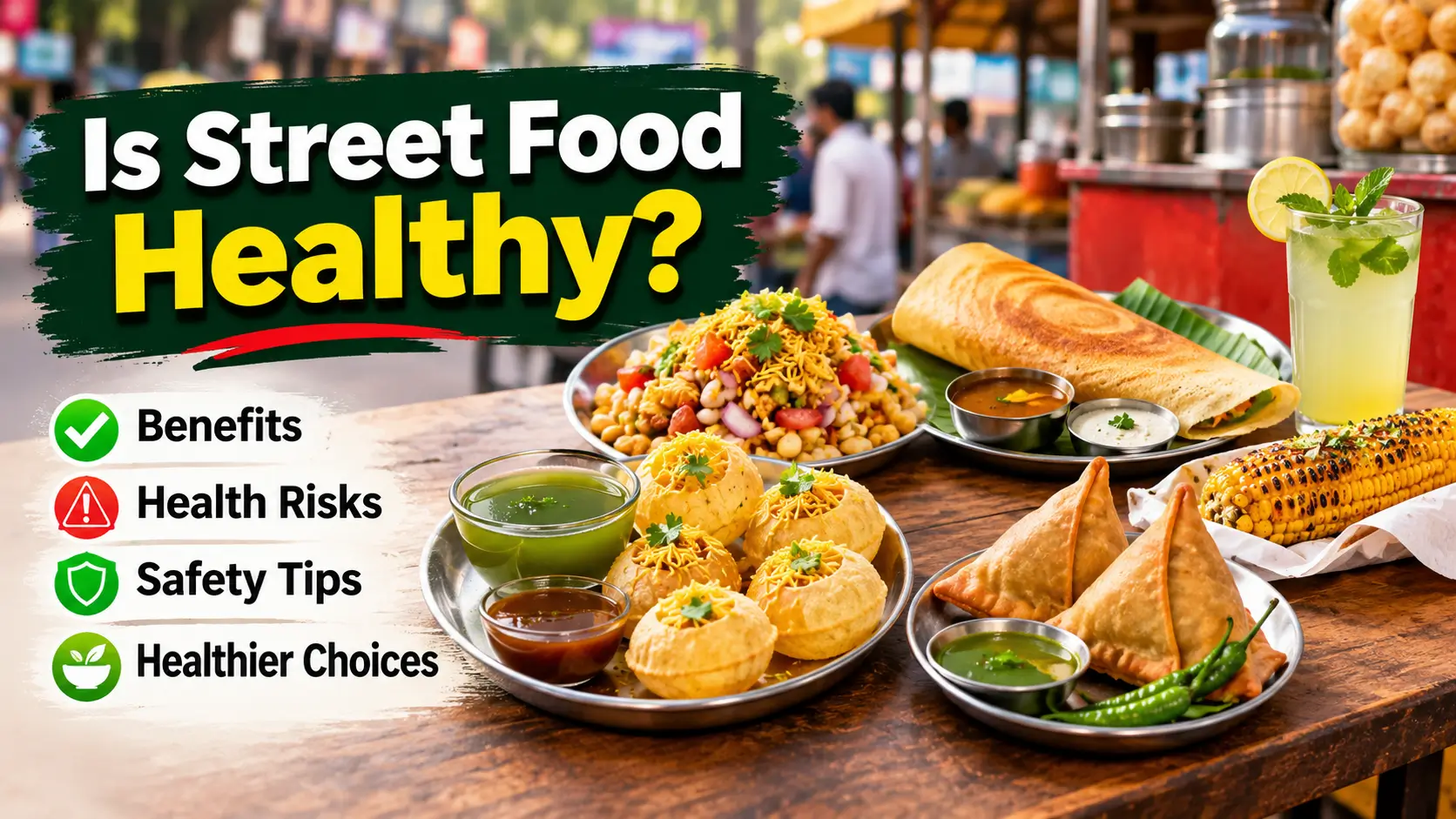

Street food is an important part of India’s food culture. From pani puri and chaat to dosa, momos, rolls and vada pav, roadside food stalls offer a wide variety of affordable and flavourful meals. For many people, enjoying street food is part of everyday life.
But an important question remains: Is street food healthy, or can eating it regularly affect your health?
The answer depends on several factors, including the ingredients, cooking method, portion size, food hygiene and frequency of consumption. Some street foods can provide useful nutrients, particularly when prepared with vegetables, pulses, grains and other wholesome ingredients. Others may contain excessive oil, salt, added sugar or ingredients that have not been handled safely.
Another important concern is foodborne illness. Contaminated water, improperly stored ingredients, unhygienic utensils and insufficient cooking can expose consumers to harmful microorganisms.
This does not mean you need to avoid all street food. Understanding its nutritional value, recognising possible hygiene risks and making informed choices can help you enjoy your favourite Indian foods more responsibly.
What Is Street Food?
Street food refers to ready-to-eat food and beverages prepared or sold by vendors in public places, roadside stalls, food markets and mobile food carts.
In India, street food varies considerably between regions.
Popular examples include:
- Pani puri and golgappa
- Bhel puri and sev puri
- Samosa and kachori
- Vada pav and pav bhaji
- Dosa and idli
- Chole kulche
- Momos
- Aloo tikki
- Vegetable rolls and frankies
- Jalebi and other traditional sweets
- Sugarcane juice and fresh fruit juices
These foods have different nutritional profiles. Some contain vegetables, pulses and fermented ingredients, while others are primarily made from refined flour, potatoes, added sugar or deep-fried ingredients.
Therefore, street food should not be treated as one nutritional category. Its health value depends on what goes into the food and how it is prepared.
Is Street Food Healthy?
Street food can be part of an enjoyable and varied diet, but not every street food is nutritionally balanced or hygienically prepared.
A freshly cooked vegetable dosa, for example, may provide carbohydrates, some protein and vegetables, depending on its ingredients and accompanying foods.
On the other hand, frequently eating large portions of deep-fried snacks, sugary beverages and heavily salted foods may increase your overall intake of calories, added sugar, sodium and unhealthy fats.
The Indian Council of Medical Research–National Institute of Nutrition (ICMR-NIN), in its Dietary Guidelines for Indians 2024, recommends a balanced diet containing a variety of food groups while limiting foods high in fat, sugar and salt.
This guidance is relevant when choosing street food as well as meals prepared at home. National Institute of Nutrition+1
The important distinction is that nutritional quality and food safety are two separate issues.
A food can contain nutritious ingredients but still be unsafe if contaminated during preparation. Similarly, a hygienically prepared food can still be high in calories, salt or added sugar.
Potential Benefits of Eating Street Food
Street food is not automatically unhealthy. Depending on its ingredients and preparation, certain options can contribute to dietary variety.
1. Access to Different Food Ingredients
Indian street food includes preparations made with cereals, pulses, vegetables, dairy products and spices.
For example:
- Chana chaat contains chickpeas, which provide plant-based protein and dietary fibre.
- Vegetable poha provides carbohydrates and can contribute some fibre when prepared with vegetables.
- Idli is made from fermented rice and lentil batter.
- Vegetable dosa can provide carbohydrates and some protein, depending on its batter and filling.
- Roasted corn provides carbohydrates and some dietary fibre.
The nutritional contribution depends on portion size, preparation methods and additional ingredients.
Choosing preparations with pulses and vegetables can make a street-food meal more varied.
2. Convenient Food Options
Street food is widely available in Indian cities, towns and local markets.
For people with busy schedules, it can provide convenient meal or snack options.
However, convenience should not replace attention to food hygiene and nutritional balance.
A freshly prepared meal containing vegetables, pulses or other protein sources may be a more balanced choice than a snack consisting mainly of refined flour and deep-fried ingredients.
3. Dietary Variety and Traditional Food Culture
Different Indian regions have distinctive food traditions.
Street vendors often prepare regional dishes using locally familiar ingredients and cooking methods.
Examples include:
- Idli and dosa in South India.
- Poha in Madhya Pradesh and Maharashtra.
- Dhokla in Gujarat.
- Chole kulche in North India.
- Litti chokha in Bihar.
- Jhal muri in West Bengal.
Exploring different foods can introduce people to a wider range of ingredients and flavours.
However, traditional preparation does not automatically guarantee nutritional quality or food safety.
Health Risks Associated With Street Food
Although street food can offer variety and convenience, poor preparation and food-handling practices can create health risks.
Understanding these risks can help consumers make more informed decisions.
1. Foodborne Illness and Food Poisoning
One of the most important concerns associated with improperly handled street food is foodborne illness.
Food can become contaminated through:
- Unsafe water.
- Unwashed hands.
- Contaminated utensils.
- Improper food storage.
- Raw and cooked foods coming into contact.
- Inadequate cooking.
- Contaminated ingredients.
Certain bacteria, viruses and parasites can cause foodborne infections.
Common symptoms include:
- Diarrhoea.
- Nausea.
- Vomiting.
- Stomach cramps.
- Fever.
Symptoms and their severity depend on the microorganism and the person’s health.
The World Health Organization (WHO) identifies contaminated food and water, poor hygiene and unsafe food handling as important causes of foodborne disease. Its Five Keys to Safer Food provide practical prevention guidance. World Health Organization+1
2. Contaminated Water and Ice
Water quality is particularly important when choosing Indian street food.
Many popular preparations use water directly or indirectly.
Examples include:
- Pani puri water.
- Chutneys.
- Fresh fruit juices.
- Sugarcane juice.
- Ice used in beverages.
- Water used to wash raw vegetables.
If contaminated water is used, harmful microorganisms may enter the food or beverage.
Ice is also a concern because freezing does not reliably eliminate all disease-causing microorganisms.
For this reason, consumers should be cautious about beverages containing ice when the source of water and ice is unknown.
Choosing sealed drinking water or freshly prepared beverages made with reliably safe water can reduce certain exposure risks.
However, no visual inspection can guarantee that water is microbiologically safe.
3. Repeatedly Used Cooking Oil
Deep-fried foods are common in Indian street markets.
Samosas, pakoras, kachoris, pooris and other fried snacks may be prepared using large quantities of cooking oil.
One concern is the repeated heating and reuse of frying oil.
According to the Food Safety and Standards Authority of India (FSSAI), repeated frying changes the physical and chemical properties of edible oil and produces compounds known as Total Polar Compounds (TPC).
FSSAI has established a maximum TPC limit of 25% for used vegetable oil. Oil exceeding this limit is not suitable for human consumption. FSSAI+1
Consumers cannot reliably measure TPC by looking at the oil.
However, visibly dark, deteriorated or smoking oil can be a warning sign of poor handling.
It is sensible to avoid food from stalls where the frying oil appears heavily degraded or where the vendor repeatedly uses the same oil without appropriate management.
4. Excessive Salt, Sugar and Fat
Some street foods contain substantial quantities of added salt, sugar or fat.
Examples include:
- Deep-fried snacks.
- Foods topped with excessive butter.
- Sweetened beverages.
- Sugar-rich desserts.
- Chaat preparations containing large amounts of salty mixtures and sauces.
- Creamy and mayonnaise-heavy rolls.
Eating these foods frequently and in large portions can make it harder to maintain a balanced diet.
High consumption of sodium, added sugar and excess calories can contribute to long-term health concerns.
The ICMR-NIN Dietary Guidelines 2024 recommend limiting added fat, salt and sugar while including a variety of nutritious foods in everyday meals. National Institute of Nutrition+1
5. Improper Food Storage
Food that is prepared in advance and left at unsuitable temperatures can allow microorganisms to multiply.
This is particularly important for foods containing:
- Cooked rice.
- Dairy products.
- Paneer.
- Cooked meat.
- Eggs.
- Chutneys and prepared sauces.
- Cut fruits and vegetables.
The risk depends on the food, temperature, duration of storage and contamination conditions.
WHO recommends keeping food at safe temperatures, cooking it thoroughly and using safe raw materials. World Health Organization+1
6. Food Allergies and Ingredient Sensitivities
Street food can contain ingredients that may cause allergic reactions in sensitive individuals.
Common allergens include:
- Peanuts.
- Tree nuts.
- Milk.
- Wheat.
- Soy.
- Eggs.
- Certain seafood ingredients.
Cross-contact can also occur when vendors use the same utensils, cooking surfaces or oil for different foods.
People with known food allergies should ask about ingredients and preparation methods. If a vendor cannot provide reliable information, avoiding that food is the safer choice.
Which Indian Street Foods Can Be Better Choices?
There is no universally healthy street food because the nutritional value depends on ingredients, preparation and portion size.
However, some options may fit more easily into a balanced eating pattern.
The following examples are practical choices to consider when they are freshly prepared using safe ingredients.
| Street food | Potential nutritional value | What to consider |
|---|---|---|
| Chana chaat | Protein and dietary fibre | Moderate salty mixtures and sauces |
| Vegetable poha | Carbohydrates and some fibre | Choose versions with vegetables and moderate oil |
| Idli | Carbohydrates and some protein | Check the hygiene of batter preparation and serving |
| Vegetable dosa | Carbohydrates and some protein | Moderate excess oil and butter |
| Roasted corn | Carbohydrates and fibre | Limit excessive salt and butter |
| Sprout chaat | Plant protein and fibre | Raw sprouts require particular attention to food safety |
| Dhokla | Carbohydrates and some protein | Consider portion size and added sugar or salt |
| Freshly cooked vegetable rolls | Carbohydrates and vegetables | Check fillings, sauces and cooking hygiene |
These examples are not guarantees of health or safety.
For example, sprouts can contain harmful bacteria even when they appear fresh. People at higher risk of severe foodborne illness should be especially cautious with raw or lightly cooked sprouts.
Similarly, chutneys, chopped vegetables and raw garnishes can introduce contamination if water, utensils or handling practices are unsafe.
How to Choose Safer Street Food in India
You do not need to stop enjoying street food to make more informed choices.
Paying attention to a few practical factors can help reduce exposure to common food-safety risks.
1. Observe the Food Preparation Area
Before ordering, look at the general cleanliness of the stall.
Consider whether:
- Food is protected from dust and insects.
- Utensils appear clean.
- The preparation surface is maintained properly.
- Waste is disposed of appropriately.
- Food handlers avoid unnecessary contact with ready-to-eat food.
A clean-looking stall does not guarantee microbiological safety, but visibly poor hygiene is a reasonable reason to choose another vendor.
2. Prefer Freshly Cooked Food Served Hot
Freshly cooked food served hot is generally preferable to food that has been sitting uncovered for an extended period.
Examples include freshly prepared dosa, idli, grilled foods and cooked snacks.
However, freshly cooked food can still become contaminated through unsafe water, utensils or handling.
3. Be Careful With Raw Chutneys and Garnishes
Chutneys, raw onions, chopped tomatoes and coriander are common ingredients in Indian street food.
These ingredients may be exposed to unsafe water or contaminated surfaces during preparation.
Choose vendors who handle these ingredients hygienically and use safe washing water.
4. Check the Quality of Cooking Oil
Observe whether the vendor appears to use excessively dark or degraded oil.
Avoid food prepared in oil that appears visibly deteriorated, produces unusual smoke or has an unpleasant smell.
Remember that visual inspection cannot establish whether frying oil meets FSSAI’s chemical safety limits.
5. Choose Safe Drinking Water
Avoid beverages when you are uncertain about the source of water or ice.
Safer options include sealed drinking water from a reliable source or beverages prepared with verified safe water.
Fresh fruit juice is not automatically safe simply because it is freshly prepared.
The equipment, water, fruit handling and serving conditions also matter.
6. Avoid Food Exposed to Flies and Dust
Food left uncovered can be exposed to insects, dust and other environmental contaminants.
Prefer vendors who use covered containers and protect ready-to-eat ingredients.
7. Pay Attention to Portion Sizes
Even hygienically prepared street food may contain considerable amounts of oil, salt or added sugar.
You can make more balanced choices by:
- Avoiding unnecessarily large portions.
- Limiting repeated servings of fried snacks.
- Choosing vegetable- or pulse-based options more often.
- Drinking water instead of sugary beverages.
- Balancing street-food meals with nutritious meals during the rest of the day.
Is It Safe to Eat Street Food Every Day?
Eating street food every day is not automatically harmful, but the answer depends on the foods selected, preparation conditions and overall dietary pattern.
If your daily choices consist mainly of deep-fried snacks, refined flour, sugary beverages and heavily salted foods, your diet may lack sufficient variety and important nutrients.
There may also be repeated opportunities for exposure to unsafe food-handling conditions.
On the other hand, a freshly prepared meal containing pulses, vegetables and other nutritious ingredients may contribute positively to dietary variety.
Still, hygiene cannot be guaranteed simply because a dish contains vegetables or pulses.
For most adults, the more useful approach is to focus on the overall quality of their diet rather than following a universal rule about how many times per week street food can be eaten.
Who Should Be More Careful About Street Food?
Some people may experience more serious consequences from foodborne infections.
Extra caution is particularly important for:
- Pregnant women.
- Older adults.
- Young children.
- People with weakened immune systems.
- People undergoing certain medical treatments.
- Individuals with serious chronic illnesses.
These groups should be particularly cautious about raw or undercooked foods, unpasteurised products, unsafe water and food that has been stored improperly.
People with food allergies should also avoid preparations with uncertain ingredients or possible cross-contact.
Individual dietary requirements may differ, so people with specific medical conditions should seek appropriate advice from their healthcare professionals.
What to Do If You Experience Food Poisoning Symptoms
Foodborne illness can cause diarrhoea, vomiting, stomach cramps, nausea and fever.
If symptoms develop after eating street food, pay attention to their severity and duration.
Maintaining fluid intake is important when experiencing diarrhoea or vomiting. Oral rehydration solution (ORS) may be appropriate when fluid losses occur.
Seek medical attention if you experience:
- Bloody diarrhoea.
- Persistent diarrhoea.
- High fever.
- Frequent vomiting that prevents you from keeping liquids down.
- Signs of dehydration, such as very little urination, dry mouth or dizziness.
These are recognised warning signs that may require medical assessment. CDC+1
Do not assume that every episode of stomach discomfort is food poisoning. Other digestive conditions can cause similar symptoms.
Avoid self-prescribing antibiotics. Treatment depends on the cause and severity of the illness, and unnecessary antibiotics can cause harm.
Practical Street Food Safety Checklist
Before buying street food, consider the following:
- Is the preparation area reasonably clean?
- Is the food protected from dust and insects?
- Does the vendor use clean utensils?
- Is the food freshly prepared?
- Is cooked food served hot?
- Is the source of drinking water reliable?
- Are raw ingredients handled hygienically?
- Does the cooking oil appear visibly degraded?
- Are food items stored appropriately?
- Are the ingredients suitable for your dietary needs and allergies?
If several hygiene conditions appear poor, choosing another food vendor is a sensible precaution.
Frequently Asked Questions
1. Is Indian street food unhealthy?
Not necessarily. Indian street food includes a wide variety of preparations. Some can provide protein, fibre and other nutrients, while others may contain excessive oil, salt or added sugar. Food hygiene is another important consideration.
2. Which Indian street foods are better choices for health?
Freshly prepared chana chaat, vegetable poha, idli, vegetable dosa and roasted corn may be reasonable options depending on their ingredients, portion sizes and preparation methods.
No particular street food is automatically healthy or safe.
3. Can street food cause food poisoning?
Yes. Street food can cause foodborne illness if contaminated water, unsafe ingredients, unclean utensils or improper storage introduce harmful microorganisms.
4. Is pani puri safe to eat?
Pani puri is not automatically unsafe. However, its water, ice, chutneys and raw ingredients can introduce contamination if handled improperly.
Choose vendors who use reliably safe water and maintain good food-handling practices.
5. Is eating fried street food regularly healthy?
Frequently eating deep-fried foods can increase your intake of calories and fat. Repeatedly heated cooking oil can also develop undesirable compounds. It is sensible to limit frequent consumption of heavily fried foods.
6. How can I identify a hygienic street food stall?
Look for covered ingredients, clean utensils, protected preparation areas, appropriate waste disposal and good food-handler hygiene.
These observations can help you make a better choice but cannot guarantee that the food is free from harmful microorganisms.
7. Is fresh street-side fruit juice healthy?
Fruit juice can provide certain nutrients, but its safety depends on the quality of the fruit, water, equipment and preparation conditions. Whole fruit is generally a useful everyday choice because it also provides dietary fibre.
8. Should pregnant women eat street food?
Pregnant women should take additional precautions because certain foodborne infections can create risks during pregnancy. Avoid unsafe water, raw or undercooked foods and foods with uncertain storage or preparation conditions. Individual concerns should be discussed with a healthcare professional.
Final Thoughts
Street food is an important part of India’s food culture, and enjoying it does not automatically mean compromising your health.
The key is to understand the difference between nutritional quality and food safety.
A dish made with wholesome ingredients may still be unsafe if prepared using contaminated water or unhygienic utensils. Similarly, food prepared under hygienic conditions may still contain excessive salt, sugar or fat.
Rather than avoiding every roadside food stall, focus on making informed decisions. Prefer freshly prepared meals, choose vendors who demonstrate good hygiene, be careful with water and ice, limit frequently consumed deep-fried foods and pay attention to portion sizes.
A balanced approach allows you to enjoy India’s diverse street-food culture while making your everyday eating habits more health-conscious.
Remember: Healthy eating is not about avoiding every favourite food. It is about understanding what you eat, how it is prepared and how it fits into your overall diet.