
If you cook regularly with sunflower, soybean, rice-bran, groundnut or other vegetable oils, you may have wondered whether the word “refined” means the oil is unhealthy.
The short answer is more nuanced: refining does not automatically make an oil harmful. What matters more is the oil’s fatty-acid composition, how much you use, what foods you cook with it, and whether the oil is repeatedly heated or reused.
Current dietary guidance generally favors unsaturated fats over saturated fats and recommends avoiding industrial trans fats. At the same time, ICMR-NIN advises Indians to use oils and fats in moderation and obtain fats from a variety of foods, including nuts, seeds, pulses and other whole foods.
Quick Answer
Refined oils are processed to remove or modify certain components of crude oil, improving characteristics such as consistency, stability, color and flavor. Refining does not automatically turn an oil into an unhealthy food.
For heart health, the type of fat is more important than simply whether an oil is labelled refined. Oils rich in unsaturated fats can be useful replacements for fats high in saturated fat. Claims that refined oils or seed oils inherently cause inflammation are not supported by current human evidence.
What Are Refined Oils?
Vegetable oils are extracted from oilseeds, fruits or other plant sources. The crude extracted oil can contain pigments, free fatty acids, odors and other compounds.
Refining uses processing steps to produce an oil with more consistent characteristics. Depending on the oil and manufacturing process, refining can affect some minor components while leaving the basic fatty-acid composition largely unchanged.
This distinction matters because “refined” does not describe the same thing as “hydrogenated.”
Partially hydrogenated oils were an important historical source of industrial trans fats. Industrial trans fats are strongly associated with cardiovascular harm and are treated differently from ordinary refined vegetable oils.
Are Refined Oils Automatically Unhealthy?
No.
It is too simplistic to divide cooking oils into “refined = bad” and “unrefined = good.”
The nutritional profile of an oil depends on its fatty acids. Monounsaturated and polyunsaturated fats are generally considered more favorable than large amounts of saturated fat.
For example, replacing a food rich in saturated fat with an unsaturated plant oil can improve the overall fat profile of the diet. The American Heart Association recommends liquid nontropical plant oils as alternatives to solid fats and tropical oils that contain more saturated fat.
That does not mean unlimited oil is healthy. Oils are energy-dense foods, so quantity still matters.
How Do Refined Oils Affect Heart Health?
For cardiovascular health, the most useful question is not simply:
“Is the oil refined?”
Instead ask:
“What fat is this oil replacing?”
Replacing foods high in saturated fat with foods containing unsaturated fats can help improve cardiovascular risk factors such as LDL cholesterol.
This is why a person replacing large amounts of butter or another saturated-fat source with an unsaturated plant oil may benefit, even if the plant oil itself is refined.
However, switching cooking oil does not compensate for a diet dominated by deep-fried foods, highly processed snacks, excess salt, refined carbohydrates and large portions.
A heart-healthy eating pattern is broader than the oil bottle in your kitchen.
Do Refined Oils Cause Inflammation?
This is one of the most common claims surrounding seed and vegetable oils.
Current human evidence does not support the blanket statement that seed oils or linoleic acid inherently cause inflammation.
A 2026 scoping review of human clinical and observational evidence concluded that concerns that seed oils or linoleic acid cause inflammation and oxidative stress were not supported by the available evidence.
Earlier systematic reviews of randomized trials have also not found convincing evidence that increasing dietary linoleic acid causes inflammatory effects.
This does not mean every oil or every cooking method has identical effects. Different oils contain different fatty-acid profiles, and food preparation matters. But the broad claim that consuming a normal amount of seed oil automatically creates chronic inflammation is not established.
What About Omega-6?
Omega-6 fatty acids, particularly linoleic acid, are essential fats. The body needs them but cannot make them in sufficient amounts on its own.
Some online discussions suggest that omega-6 should be avoided because it promotes inflammation. That conclusion goes beyond what current human evidence supports.
The more practical approach is to obtain fats from a varied diet that includes appropriate sources of unsaturated fats, nuts, seeds, pulses and other nutritious foods rather than trying to eliminate one fatty-acid family.
Refined Oil vs Cold-Pressed Oil
Cold-pressed and refined oils are produced differently, but “cold-pressed” should not automatically be treated as synonymous with “healthier.”
Cold-pressed oils may retain more of some naturally occurring minor compounds because they undergo less processing. Refining, on the other hand, can produce a more consistent oil with different sensory and storage characteristics.
The health comparison depends on the specific oils being compared.
For example, comparing two oils with very different saturated-fat or unsaturated-fat profiles may matter more nutritionally than simply comparing the words “refined” and “cold-pressed.”
The Bigger Issue: How Much and How You Cook
1. Use oil in moderation
ICMR-NIN recommends moderation of visible fats and notes that the appropriate amount depends on energy requirements and individual circumstances.
You do not need to eliminate cooking oil completely. Instead, avoid allowing oil to become the dominant source of calories in your diet.
2. Avoid repeatedly reusing cooking oil
Oil can deteriorate during repeated heating and storage. ICMR-NIN advises against storing used cooking oil for long periods.
At home, a simple approach is to avoid repeatedly reheating the same oil for multiple frying sessions.
3. Look beyond the oil bottle
A vegetable oil used to prepare vegetables, dal or another balanced meal is a different dietary situation from the same oil being repeatedly used for deep-fried snacks.
The food pattern matters.
4. Do not assume ghee is automatically healthier
Replacing refined vegetable oil with large amounts of ghee is not automatically a cardiovascular improvement. Ghee is relatively high in saturated fat, so the replacement needs to be considered in the context of the entire diet.
5. Eat a varied diet
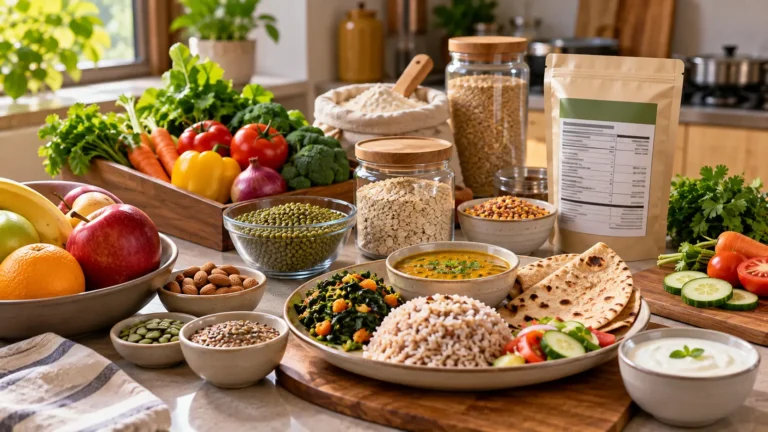
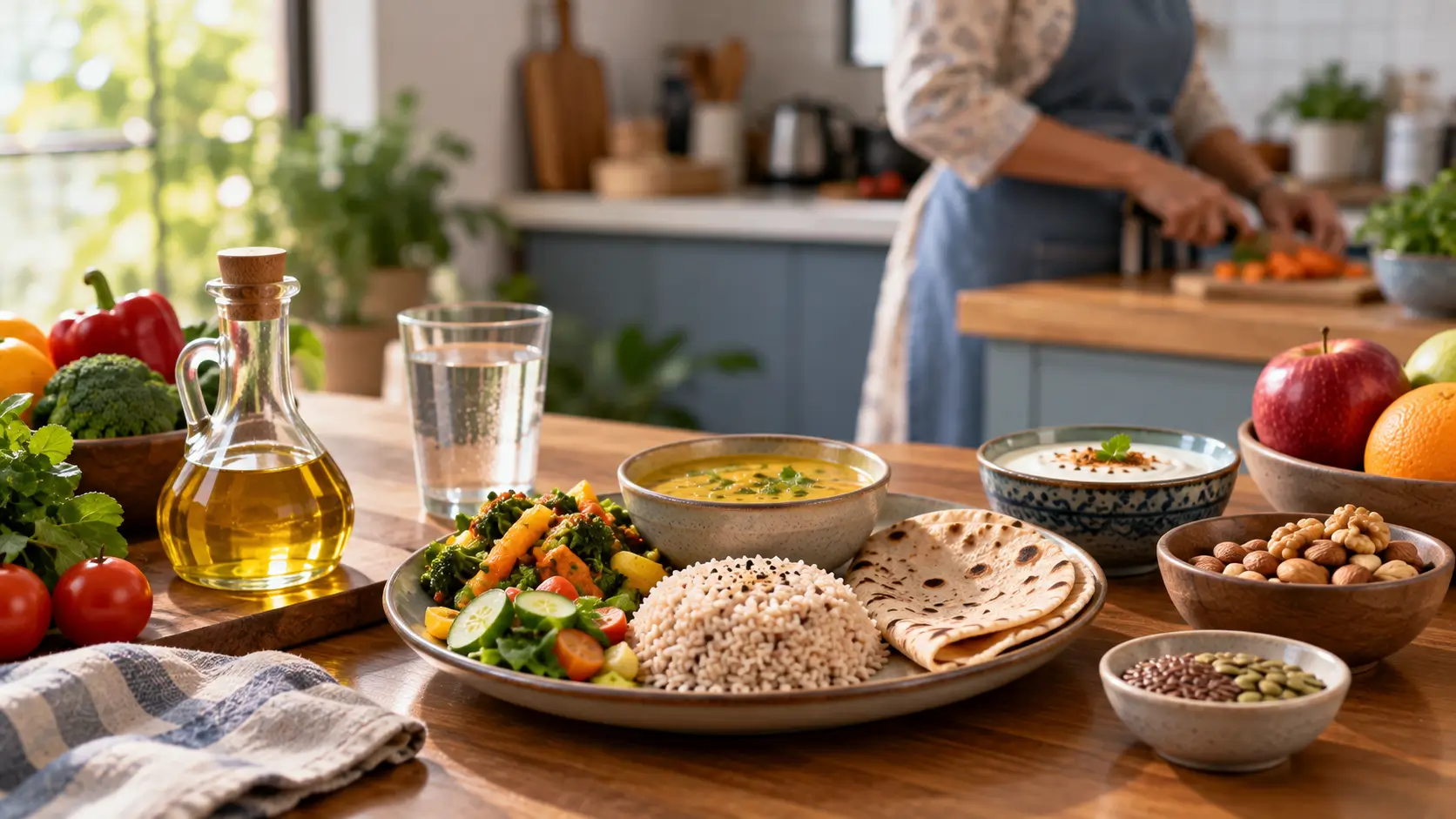
For Indian meals, useful sources of healthy fats include nuts, seeds, pulses, fish where appropriate, and plant oils. Vegetables, fruits, whole grains and minimally processed foods should remain central to the overall dietary pattern.
Common Myths About Refined Oils
Myth: All refined oils cause inflammation.
Fact: Current human evidence does not support this blanket claim.
Myth: Cold-pressed oil is always healthier.
Fact: Processing is only one factor. Fatty-acid composition, amount consumed and dietary context also matter.
Myth: Refined oil and hydrogenated oil are the same.
Fact: They are different processes. Partially hydrogenated oils were a major source of industrial trans fats.
Myth: Replacing every refined oil with ghee automatically protects the heart.
Fact: Ghee is high in saturated fat, so simply switching fats does not guarantee a healthier dietary pattern.
Myth: One cooking oil can make an unhealthy diet healthy.
Fact: Overall dietary pattern, food quality, portions, physical activity and other lifestyle factors matter much more than a single ingredient.
When Should You Talk to a Healthcare Professional?
If you have established cardiovascular disease, very high cholesterol, diabetes, kidney disease or another condition requiring individualized dietary management, general online advice may not be sufficient.
A doctor or registered dietitian can help adapt dietary fat intake to your medical history, medications, laboratory results, energy requirements and cultural food pattern.
Practical Takeaway
The evidence does not support treating all refined oils as toxic or inflammatory.
A more useful strategy is to:
- choose oils with a favorable unsaturated-fat profile;
- use cooking oil in moderation;
- limit foods high in saturated fat;
- avoid industrial trans fats;
- avoid repeatedly reusing cooking oil;
- eat more vegetables, fruits, pulses, whole grains, nuts and seeds;
- and judge the oil as part of the whole dietary pattern.
For most people, the goal should not be finding one “perfect” cooking oil. It should be building a balanced eating pattern that is nutritious, practical and sustainable.
FAQ
Are refined oils bad for your health?
Not necessarily. Refining itself does not make every oil unhealthy. The type of fat, quantity consumed, cooking method and overall diet are more important.
Do refined oils cause inflammation?
Current human evidence does not support the broad claim that refined vegetable or seed oils inherently cause inflammation.
Are refined oils bad for the heart?
Not automatically. Unsaturated plant oils can be useful replacements for foods high in saturated fat, which can support a heart-healthier dietary pattern.
Is cold-pressed oil healthier than refined oil?
Not universally. Cold-pressed oils may retain different minor compounds, but healthfulness depends on the specific oil, its fatty-acid composition, quantity and dietary context.
Are seed oils unhealthy?
Current human evidence does not establish that commonly consumed seed oils inherently cause chronic inflammation or cardiovascular disease.
Is refined oil the same as hydrogenated oil?
No. Refining and hydrogenation are different processes. Partially hydrogenated oils were a major source of industrial trans fats.
Should Indians stop using refined cooking oils?
There is no evidence-based need for a blanket ban on all refined oils. A better approach is moderation, appropriate oil selection, limiting saturated and trans fats, and avoiding repeated reuse of cooking oil.
Is ghee healthier than refined vegetable oil?
Not automatically. Ghee contains a substantial amount of saturated fat, while many liquid vegetable oils contain more unsaturated fats. The comparison depends on what food is being replaced and the overall dietary pattern.
MEDICAL DISCLAIMER
This article is for general educational and nutritional information and does not replace individualized medical or dietary advice. Nutritional needs vary according to age, health conditions, medications, allergies, activity level and other factors.
If you have cardiovascular disease, diabetes, kidney disease, significantly abnormal cholesterol levels or another condition requiring individualized nutrition advice, consult an appropriately qualified healthcare professional or registered dietitian.