
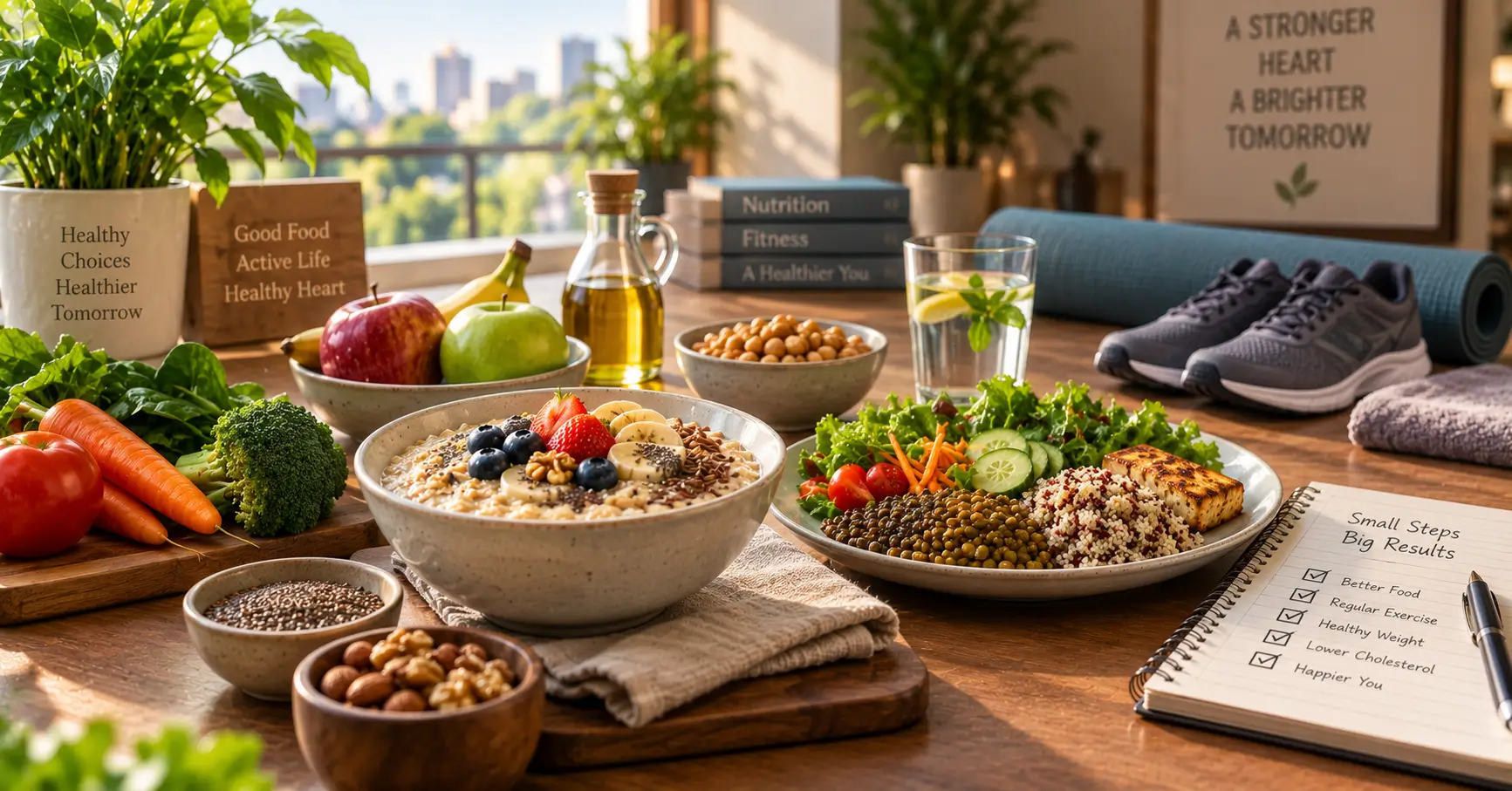

If you are looking for a remedy for cholesterol, the most useful answer is not a single food, drink or home treatment. High cholesterol is usually managed through a combination of a heart-healthy diet, regular physical activity, healthy weight management and, when appropriate, cholesterol-lowering medicine. The right approach depends on your LDL level and overall risk of cardiovascular disease.
Short answer: To lower unhealthy cholesterol, focus on reducing saturated and trans fats, eating more fibre-rich plant foods, exercising regularly, maintaining a healthy weight and avoiding tobacco. Some people also need medicines such as statins, particularly when their cardiovascular risk is high.
1. Change the type of fat in your diet
One of the most useful dietary changes is to reduce foods high in saturated fat and replace them with healthier unsaturated fats.
For an Indian diet, this can mean limiting frequent intake of foods such as fatty meats, butter, cream, high-fat dairy, deep-fried foods and commercially baked snacks. The World Health Organization recommends replacing saturated and trans fats with healthier unsaturated fats where possible.
You do not need to eliminate all dietary fat. The quality and overall balance of the diet matter.
2. Eat more soluble fibre
Soluble fibre can help lower LDL cholesterol by reducing cholesterol absorption in the digestive tract. Useful sources include oats, barley, beans, lentils, chickpeas, fruits and other plant foods.
For an Indian meal plan, simple choices include adding dal or beans to meals, choosing whole grains more often and including fruits and vegetables regularly.
The Indian Council of Medical Research–National Institute of Nutrition also emphasizes balanced food choices and provides dietary guidance for Indians.
3. Eat more whole plant foods
A cholesterol-friendly eating pattern does not have to be complicated. Build meals around vegetables, fruits, pulses, whole grains, nuts and seeds, while choosing lean protein sources and healthier fats.
The 2026 American Heart Association dyslipidemia guidance similarly emphasizes vegetables, fruits, whole grains, beans, nuts, seeds, unsaturated fats and lean proteins while limiting ultra-processed foods high in saturated fat, added sugar and sodium.
A practical plate could include vegetables, dal or another pulse, a whole-grain food and a moderate portion of protein.
4. Exercise regularly
Physical activity is another important part of cholesterol management. Regular exercise can help lower LDL and triglycerides while supporting healthier HDL levels and overall cardiovascular fitness.
Choose an activity you can maintain, such as brisk walking, cycling, swimming or strength training. If you have been inactive, have heart disease or have another medical condition, ask a healthcare professional what level of exercise is appropriate before starting a new routine.
5. Work toward a healthy weight
For people who have overweight or obesity, even modest weight loss can improve cholesterol levels and other cardiovascular risk factors. NHLBI notes that losing around 3% to 5% of body weight can improve LDL and HDL levels in adults with overweight or obesity.
The goal should not be a crash diet. A sustainable combination of better food choices, regular movement and appropriate calorie intake is more useful for long-term cholesterol management.
6. Stop smoking and improve sleep
Smoking is a major cardiovascular risk factor, so quitting tobacco is an important part of protecting heart health. The Government of India’s National Tobacco Control Programme provides cessation support and resources.
Sleep also matters. NHLBI recommends prioritizing good-quality sleep and notes that getting adequate sleep is associated with healthier cholesterol levels.
Stress management can also support healthier habits and overall cardiovascular health.
7. Know when medicine may be necessary
Lifestyle changes are important, but they are not always enough on their own.
Doctors consider cholesterol numbers together with factors such as age, diabetes, blood pressure, smoking, previous cardiovascular disease, family history and overall cardiovascular risk. Depending on that assessment, a clinician may recommend a statin or another cholesterol-lowering medicine.
India’s Ministry of Health and Family Welfare also bases cholesterol management on overall cardiovascular risk, including factors such as diabetes, previous cardiovascular disease, hypertension, smoking, obesity and lipid levels.
If you are prescribed a statin, do not stop or change the dose without speaking with your healthcare professional.
What is the best remedy for cholesterol?
There is no single best home remedy for everyone. The strongest approach is usually a long-term heart-healthy lifestyle combined with medical treatment when your individual risk calls for it.
If you have been told that your cholesterol is high, ask your healthcare professional to explain your LDL, HDL, triglyceride and overall cardiovascular-risk results. A treatment plan should be based on those results rather than on one food, supplement or home remedy.
Final takeaway
The most reliable ways to manage high cholesterol are simple but require consistency: eat more fibre-rich plant foods, reduce saturated and trans fats, stay physically active, maintain a healthy weight, avoid tobacco and follow medical treatment when prescribed. These steps can work together to improve cholesterol and reduce cardiovascular risk.
FAQ
1. What is the best remedy for high cholesterol?
There is no single remedy that works for everyone. A heart-healthy diet, regular physical activity, healthy weight management and avoiding tobacco are key measures. Some people also need cholesterol-lowering medication based on their cardiovascular risk.
2. Can cholesterol be reduced naturally?
Lifestyle changes can improve cholesterol levels, particularly by reducing saturated and trans fats, increasing fibre-rich foods, exercising regularly and managing weight. However, some people need medication in addition to lifestyle changes.
3. Which foods can help lower LDL cholesterol?
Foods rich in soluble fibre, including oats, barley, beans, lentils and some fruits, can help lower LDL cholesterol. Replacing saturated fats with healthier unsaturated fats is also recommended.
4. Should I stop eating ghee if I have high cholesterol?
Ghee is high in saturated fat, so people trying to lower LDL cholesterol should generally limit its intake rather than treating it as a cholesterol-lowering remedy. Overall dietary pattern and the amount consumed matter.
5. Does exercise lower cholesterol?
Regular physical activity can help lower LDL cholesterol and triglycerides while supporting healthier HDL levels. The appropriate exercise routine depends on a person’s health and fitness level.
6. When are cholesterol medicines needed?
Medication may be recommended when cholesterol levels and overall cardiovascular risk indicate that lifestyle changes alone are unlikely to provide enough risk reduction. The decision should be made with a healthcare professional.
Disclaimer
This article is for general health information and is not a substitute for medical advice, diagnosis or treatment. If you have high cholesterol, diabetes, heart disease, or other cardiovascular risk factors, discuss your results and treatment options with a qualified healthcare professional.

[…] LDL cholesterol is higher than recommended, the most useful approach is usually not a single “cholesterol-lowering” food or drink. LDL can often be improved by changing the overall pattern of eating, becoming […]