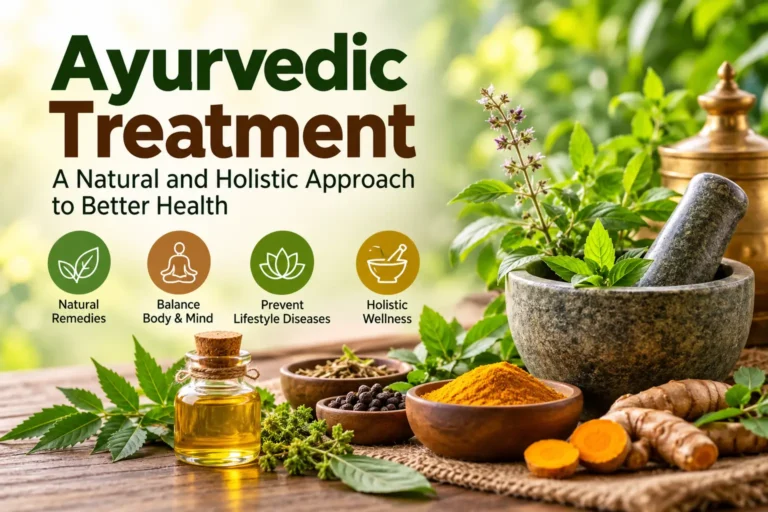


For generations, turmeric powder has been more than a bright yellow kitchen spice. It has been used in South Asian cooking, traditional practices and home remedies, while modern research has focused heavily on one of its best-known compounds: curcumin.
That raises an important question: does turmeric actually deserve its reputation as a health-promoting ingredient, or have some claims moved faster than the science?
The answer is more nuanced than either extreme. Turmeric can be a useful culinary ingredient, and research into curcumin has produced some interesting findings. But a spice used in food is not automatically equivalent to a concentrated supplement.
Here is what the evidence actually tells us.
What Is Turmeric Powder?
Turmeric comes from the underground rhizome of Curcuma longa, a plant in the ginger family. The rhizome is dried and ground into the familiar yellow-orange powder used in curries, dals, vegetables, drinks and spice blends.
Its characteristic color comes largely from curcuminoids, a group of compounds that includes curcumin.
Curcumin is often the star of turmeric research because laboratory studies have identified antioxidant and anti-inflammatory activity. But there is an important distinction:
Turmeric powder is a whole food ingredient; curcumin supplements are concentrated products.
They should not automatically be treated as interchangeable.
Turmeric vs. curcumin
A teaspoon of turmeric used in cooking does not necessarily deliver the same exposure as a standardized curcumin supplement.
Commercial supplements can also contain ingredients such as piperine from black pepper or other compounds designed to increase absorption. NCCIH notes that these enhanced-bioavailability formulations can behave differently from conventional turmeric or curcumin products.
That difference becomes particularly important when discussing dosage and safety.
Turmeric Powder Benefits: What Does the Research Show?
The scientific evidence is promising in some areas, but it is not strong enough to justify every health claim found online.
1. It contains compounds with antioxidant and anti-inflammatory activity
Curcumin has been extensively investigated for its effects on inflammatory and oxidative pathways.
That sounds impressive, but laboratory activity does not automatically translate into a clinically meaningful benefit in humans.
NCCIH describes preliminary evidence for anti-inflammatory activity but says there is insufficient evidence to support turmeric supplementation broadly for inflammatory disorders.
The practical takeaway: turmeric can be part of a healthy diet, but it should not be presented as a replacement for evidence-based medical treatment.
2. It may have potential for joint discomfort
One of the more interesting areas of turmeric research is osteoarthritis and joint symptoms.
A systematic review and meta-analysis of randomized clinical trials found reductions in some pain and function measures among people using turmeric or curcumin. However, the researchers also emphasized limitations in the number, size and quality of available trials.
More recent evidence has also reported potentially beneficial effects across several forms of arthritis, although differences in products, doses and study designs make it difficult to establish one universally effective preparation.
This distinction matters.
“May help some people with joint symptoms” is much more defensible than “turmeric treats arthritis.”
3. Researchers are studying its effects on metabolic health
Turmeric and curcumin have also been investigated for conditions involving metabolic health, including nonalcoholic fatty liver disease and lipid disorders.
NCCIH says initial research suggests oral turmeric or curcumin might improve some measures associated with fatty liver disease, but it remains unclear which outcomes consistently improve.
That makes this an area worth watching rather than a reason to self-treat.
4. It adds flavor without requiring highly processed ingredients
There is one benefit that needs no complicated clinical trial: turmeric is an easy way to add flavor and color to meals.
You can use it in:
- Dal and lentils
- Vegetable curries
- Soups
- Rice dishes
- Marinades
- Homemade spice blends
- Egg and paneer dishes
- Warm milk-based drinks
Replacing highly processed flavoring ingredients with herbs and spices can also make everyday cooking more interesting.
This is where turmeric arguably fits best: as part of an overall nutritious eating pattern rather than as a miracle ingredient.
How to Use Turmeric Powder in Everyday Cooking
You do not need an elaborate routine to include turmeric in your diet.
A simple three-step approach
1. Start with food.
Add a modest amount to familiar dishes such as dal, vegetables, rice or soups.
2. Combine it with a varied diet.
Turmeric cannot compensate for inadequate protein, vegetables, fiber, sleep or physical activity.
3. Treat supplements differently.
If you are considering capsules or concentrated curcumin products, assess the ingredients and potential interactions rather than assuming they are simply “stronger turmeric.”
Memorial Sloan Kettering notes that turmeric is generally safe in food and tea, while supplements are stronger and deserve more careful consideration.
What About Turmeric Powder With Milk?
Turmeric milk is a familiar traditional preparation and can be an enjoyable beverage.
However, claims that turmeric milk automatically “detoxes the liver,” “melts fat” or prevents disease go beyond what current clinical evidence supports.
A more sensible approach is to treat it as a flavorful food or beverage, not as medicine.
If you enjoy turmeric milk, focus on the overall recipe. Excessive added sugar can undermine the nutritional quality of an otherwise simple drink.
Should You Add Black Pepper to Turmeric?
This is where traditional kitchen advice intersects with modern supplement research.
Piperine, a compound found in black pepper, can increase the bioavailability of curcumin. Commercial curcumin products sometimes deliberately use piperine or other technologies to increase absorption.
But greater absorption does not automatically mean greater health benefit.
It also means that concentrated products can behave differently from ordinary culinary turmeric.
So adding a little black pepper to a meal is not the same thing as taking a high-dose curcumin supplement engineered for enhanced absorption.
Turmeric Powder Side Effects You Should Know
For most people, turmeric used as a normal food ingredient is considerably less concerning than concentrated supplementation.
However, oral turmeric can cause digestive symptoms such as:
- Nausea
- Stomach upset
- Acid reflux
- Diarrhea
- Constipation
NCCIH also reports that some highly bioavailable curcumin products have been associated with liver injury.
This is one of the most important distinctions in the entire turmeric discussion.
When should you stop a supplement?
If someone taking a turmeric or curcumin product develops possible symptoms of liver injury—such as unusual fatigue, poor appetite, dark urine or jaundice—NCCIH recommends stopping the product and contacting a healthcare professional.
Rare liver injury associated with turmeric or curcumin products has also been documented in the medical literature.
Who Should Be Careful With Turmeric Supplements?
Food-level turmeric and concentrated supplements are not the same risk category.
Extra caution is appropriate if you:
- Take prescription medicines
- Use blood-thinning medication
- Are undergoing cancer treatment
- Have a history of kidney stones
- Are pregnant
- Have liver concerns
- Are considering high-dose or enhanced-bioavailability curcumin
Memorial Sloan Kettering notes potential interactions involving anticoagulants and certain cancer medicines, among other medications.
NCCIH also cautions that pregnancy safety is not established for turmeric supplements at amounts greater than those normally found in food.
Never stop a prescribed medication simply because you want to take turmeric. Ask your doctor or pharmacist about the combination first.
Turmeric Powder vs. Curcumin Supplements
| Feature | Turmeric Powder | Curcumin Supplement |
|---|---|---|
| Primary use | Cooking | Concentrated supplementation |
| Composition | Whole spice with multiple compounds | Usually standardized curcuminoids |
| Typical exposure | Culinary amounts | Often much higher |
| Absorption | Naturally limited | May be deliberately enhanced |
| Research | Food and traditional use | Concentrated clinical research |
| Safety considerations | Generally lower at food amounts | More important because of concentration |
| Best approach | Use as part of meals | Discuss with a healthcare professional when appropriate |
The key lesson is simple:
More concentrated does not automatically mean better.
Common Turmeric Myths vs Facts
Myth: Turmeric cures inflammation
Fact: Curcumin has demonstrated anti-inflammatory activity in laboratory research, but evidence is not strong enough to say turmeric supplementation cures inflammatory diseases.
Myth: More turmeric means more health benefits
Fact: High-dose supplements can introduce additional side effects and interaction concerns. Some enhanced-absorption curcumin products have been linked with liver injury.
Myth: Turmeric can replace arthritis medicine
Fact: Some clinical trials suggest turmeric or curcumin may improve certain osteoarthritis symptoms, but the evidence is not sufficient to replace established medical treatment.
Myth: Natural products cannot interact with medicine
Fact: Herbal products can interact with prescription and over-the-counter medicines. The exact interaction risk depends on the product and medication.
Myth: Turmeric supplements are the same as turmeric used in cooking
Fact: Supplements can contain substantially more concentrated compounds and may include absorption-enhancing ingredients.
How to Choose Good-Quality Turmeric Powder
Quality matters, especially when a spice is used regularly.
Look for transparent labeling
Choose products that clearly identify:
- The ingredient
- Net quantity
- Manufacturer
- Batch information
- Expiry or best-before information
- Appropriate food-safety details for your market
Check the appearance and aroma
Good turmeric powder generally has a characteristic golden-yellow color and recognizable earthy aroma.
Avoid products with an unusual chemical smell, visible moisture, clumping or damaged packaging.
Do not assume the brightest color means the best quality
Color alone cannot establish purity or nutritional value.
If purchasing packaged turmeric, choose reputable brands with clear sourcing and quality-control information rather than selecting purely on appearance or the lowest price.
A Practical Daily Approach
If your goal is simply to include more turmeric in your diet, keep it uncomplicated.
Try this approach:
- Add turmeric to meals you already eat.
- Use it as part of a broader spice mixture.
- Avoid turning every turmeric claim into a health promise.
- Do not assume supplements are necessary.
- Check with a healthcare professional before concentrated supplementation if you take medication or have relevant medical concerns.
- Pay attention to how your body responds.
This approach keeps the focus where it belongs: overall dietary quality rather than a single ingredient.
What the Evidence Really Says
Turmeric deserves attention, but not hype.
The strongest conclusion is not that turmeric is a miracle food. It is that turmeric is a useful culinary spice with biologically active compounds that are being seriously studied.
Research around joint symptoms is encouraging, while evidence for many other proposed health uses remains preliminary or inconsistent.
The biggest mistake is confusing promising research with proven treatment.
Used in ordinary cooking, turmeric can be an enjoyable part of a varied diet. Concentrated supplements are a different matter and should be approached with considerably more care.
FAQ
What are the main turmeric powder benefits?
Turmeric powder contains curcuminoids, including curcumin, which have been studied for antioxidant and anti-inflammatory activity. Research is promising in some areas, particularly joint symptoms, but evidence is not conclusive for many health claims.
Can I use turmeric powder every day?
Turmeric used as a normal culinary spice is generally considered safe for most people. Concentrated turmeric or curcumin supplements are different and may carry additional risks, particularly with long-term or high-dose use.
Is turmeric powder the same as curcumin?
No. Turmeric is the whole spice derived from Curcuma longa, while curcumin is one of the major compounds found in turmeric. Supplements may contain concentrated curcuminoids.
Does turmeric powder help with joint pain?
Some clinical research suggests turmeric or curcumin may reduce certain osteoarthritis pain and function measures, but researchers have noted limitations in the available evidence.
Are there side effects of turmeric powder?
Oral turmeric can cause digestive problems such as nausea, stomach upset, acid reflux, diarrhea or constipation. Some enhanced-bioavailability curcumin products have also been associated with liver injury.
Who should avoid turmeric supplements?
People taking certain medications, undergoing cancer treatment, pregnant individuals and people with certain medical concerns should speak with a healthcare professional before using concentrated turmeric or curcumin supplements.
Conclusion
Turmeric powder remains one of the most interesting spices at the intersection of traditional food culture and modern nutrition research.
Its most researched compound, curcumin, has demonstrated biologically interesting properties, and clinical studies—particularly involving joint symptoms—have produced encouraging results. But the evidence does not support treating turmeric as a cure-all or replacing established medical treatment with supplements.
The smartest approach is surprisingly simple: use turmeric as part of a varied, nutritious diet, understand the difference between culinary turmeric and concentrated supplements, and be cautious about high-dose products.
The goal isn’t to believe every turmeric claim—or dismiss all of them. It is to understand what the evidence actually supports and use that information intelligently.
Disclaimer
This article is provided for general educational and informational purposes only. It is not medical advice, diagnosis or treatment and should not replace consultation with a qualified physician, registered dietitian, pharmacist or other healthcare professional.
The effects of turmeric can vary depending on the form, amount, formulation, individual health status and medications being used. Turmeric powder used as a culinary spice should not automatically be considered equivalent to concentrated curcumin or turmeric supplements.
Anyone who is pregnant, taking prescription medication, undergoing cancer treatment, has a chronic medical condition, or is considering high-dose turmeric or curcumin supplementation should consult an appropriate healthcare professional before making changes to their routine.
If a person develops symptoms potentially associated with liver injury, including dark urine or jaundice, while taking a turmeric or curcumin supplement, medical advice should be sought promptly.