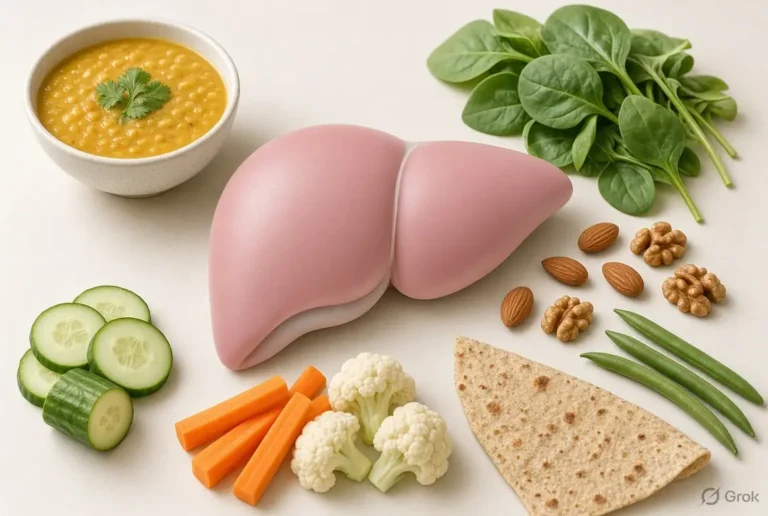


Most people spend hundreds or even thousands on skincare products, hoping for brighter, smoother, and healthier skin. Yet many overlook one of the biggest factors that influences skin health every single day—the food on their plate.
A healthy diet for glowing skin provides your body with vitamins, minerals, antioxidants, healthy fats, and proteins that work from the inside out. While moisturizers and serums can improve your skin’s appearance temporarily, nutrition supports the building blocks your skin needs to repair itself, produce collagen, and defend against environmental damage.
The best part? You don’t need expensive superfoods or complicated meal plans. Everyday foods found in most kitchens can make a noticeable difference when eaten consistently. Let’s explore how your diet affects your skin and discover the foods that truly deserve a place on your plate.
Why Diet Matters More Than Most People Realize
Your skin is the body’s largest organ. Every day it protects you from pollution, UV rays, bacteria, and changing weather conditions. To perform these functions, skin cells require a continuous supply of nutrients.
A nutrient-rich diet helps:
- Produce collagen naturally
- Maintain skin elasticity
- Reduce inflammation
- Improve hydration
- Speed up skin repair
- Support the skin barrier
- Reduce oxidative stress
When your diet lacks essential nutrients, your skin often becomes one of the first places where deficiencies appear.
Common signs include:
- Dryness
- Dull complexion
- Frequent breakouts
- Slow wound healing
- Premature wrinkles
- Uneven skin tone
Healthy Diet for Glowing Skin: The Nutrients That Matter Most
Instead of chasing trendy ingredients, focus on nutrients with strong scientific support.
Vitamin C
Vitamin C helps produce collagen, one of the proteins responsible for firm, youthful skin. It also protects skin from oxidative damage caused by pollution and sunlight.
Good sources include:
- Oranges
- Kiwi
- Guava
- Bell peppers
- Strawberries
- Broccoli
Vitamin E
Vitamin E protects skin cells from free radicals while supporting moisture retention.
Foods rich in Vitamin E include:
- Almonds
- Sunflower seeds
- Peanuts
- Avocados
- Spinach
Omega-3 Fatty Acids
Healthy fats strengthen the skin barrier and may help reduce redness and dryness.
Top sources:
- Salmon
- Sardines
- Walnuts
- Flaxseeds
- Chia seeds
Zinc
Zinc supports wound healing and helps regulate oil production.
Natural sources include:
- Pumpkin seeds
- Lentils
- Chickpeas
- Eggs
- Beans
Protein
Your skin is built from protein.
Without enough protein, collagen production declines and skin repair slows.
Choose:
- Eggs
- Fish
- Greek yogurt
- Chicken
- Paneer
- Tofu
- Lentils
15 Foods That Can Naturally Improve Your Skin
1. Avocados
Rich in healthy fats and Vitamin E, avocados help maintain soft, hydrated skin while supporting elasticity.
2. Tomatoes
Tomatoes contain lycopene, a powerful antioxidant that helps protect skin against UV-related damage.
3. Sweet Potatoes
Loaded with beta-carotene, sweet potatoes help the body produce Vitamin A, which supports healthy skin cell turnover.
4. Berries
Blueberries, strawberries, and raspberries are packed with antioxidants that fight oxidative stress and support collagen production.
5. Fatty Fish
Salmon and mackerel provide omega-3 fatty acids that reduce inflammation and improve skin hydration.
6. Spinach
Spinach delivers Vitamins A, C, E, iron, and folate—all nutrients associated with healthy skin function.
7. Nuts
Almonds and walnuts offer Vitamin E, healthy fats, and minerals that protect skin from environmental damage.
8. Citrus Fruits
Oranges, lemons, and grapefruits provide abundant Vitamin C for collagen synthesis.
9. Green Tea
Green tea contains catechins that may improve skin elasticity while reducing inflammation.
10. Yogurt
Probiotic-rich yogurt supports gut health, which may positively influence skin health through the gut-skin connection.
11. Pumpkin Seeds
These small seeds contain zinc, magnesium, and healthy fats that help maintain skin integrity.
12. Carrots
Carrots are another excellent source of beta-carotene, supporting healthy skin renewal.
13. Bell Peppers
Especially red peppers, these are among the richest natural sources of Vitamin C.
14. Dark Chocolate (70% Cocoa or Higher)
In moderation, dark chocolate provides flavonoids that may improve skin hydration and blood flow.
15. Watermelon
High water content and antioxidants make watermelon an excellent fruit for supporting hydration during warmer months.
How Hydration Influences Skin Glow
Even the healthiest foods cannot fully compensate for chronic dehydration.
Water helps:
- Deliver nutrients to skin cells
- Maintain elasticity
- Improve skin texture
- Support detoxification processes
- Prevent excessive dryness
While hydration needs vary, many adults benefit from drinking water consistently throughout the day rather than waiting until they feel thirsty.
Foods with high water content, such as cucumbers, oranges, melons, and tomatoes, can also contribute to daily hydration.
A Sample One-Day Meal Plan for Radiant Skin
| Meal | Example |
|---|---|
| Breakfast | Greek yogurt with berries, chia seeds, and almonds |
| Mid-Morning Snack | Orange and walnuts |
| Lunch | Grilled salmon, brown rice, spinach salad |
| Afternoon Snack | Green tea and pumpkin seeds |
| Dinner | Lentil soup, roasted sweet potatoes, mixed vegetables |
| Dessert | Fresh watermelon slices |
This balanced approach supplies protein, fiber, antioxidants, vitamins, minerals, and healthy fats that support skin health.
Common Mistakes That Can Prevent Healthy Skin
Even nutritious diets can be undermined by everyday habits.
Eating Too Much Added Sugar
High sugar intake may contribute to glycation, a process that can weaken collagen and elastin over time.
Skipping Protein
Protein is essential for skin repair. Extremely low-protein diets may slow regeneration.
Ignoring Healthy Fats
Very low-fat diets can leave skin feeling dry and less resilient.
Depending on Supplements Alone
Whole foods provide a combination of nutrients, fiber, and beneficial compounds that supplements cannot fully replicate.
Constant Crash Dieting
Rapid weight-loss diets may reduce the intake of nutrients needed for healthy skin maintenance.
Myths vs Facts
| Myth | Fact |
|---|---|
| Chocolate always causes acne. | Evidence is mixed, and overall diet matters more than one food. |
| Drinking extra water alone creates glowing skin. | Hydration helps, but balanced nutrition is equally important. |
| Expensive skincare products replace healthy eating. | Topical products and nutrition work best together. |
| Supplements work better than food. | Whole foods should generally be the foundation of good nutrition. |
| Only women need skin-friendly nutrition. | Healthy eating benefits skin at every age and for every gender. |
Expert Insight
Registered dietitians and dermatologists increasingly recognize that skin health reflects overall lifestyle rather than a single miracle food. Consistent intake of fruits, vegetables, lean proteins, healthy fats, and adequate hydration creates an environment where skin can repair itself more efficiently.
Instead of expecting overnight results, think of your meals as daily investments in long-term skin health. Small, sustainable dietary improvements often produce more noticeable and lasting benefits than restrictive diets or expensive beauty trends.
FAQ
1. What is the best healthy diet for glowing skin?
A healthy diet for glowing skin includes fruits, vegetables, lean proteins, healthy fats, whole grains, nuts, seeds, and plenty of water. Foods rich in vitamin C, vitamin E, omega-3 fatty acids, and antioxidants are especially beneficial.
2. Which fruit is best for glowing skin?
Oranges, berries, kiwi, papaya, guava, watermelon, and pomegranate are excellent choices because they provide vitamin C, antioxidants, and hydration that support healthy skin.
3. Can diet improve skin naturally?
Yes. A balanced diet provides nutrients needed for collagen production, skin repair, hydration, and protection against oxidative stress, all of which contribute to healthier-looking skin over time.
4. How long does it take to see results from a healthy diet?
Many people notice improvements in hydration and skin texture within a few weeks, while more visible changes in overall skin quality often take 6–12 weeks of consistent healthy eating and lifestyle habits.
5. What foods should I avoid for healthier skin?
Limiting highly processed foods, sugary beverages, excessive alcohol, and diets high in refined carbohydrates may help support better skin health, especially when replaced with nutrient-rich whole foods.
6. Is drinking water enough for glowing skin?
No. While proper hydration is essential, glowing skin also depends on adequate intake of protein, healthy fats, vitamins, minerals, antioxidants, quality sleep, sun protection, and overall lifestyle habits.
Conclusion
Healthy, radiant skin isn’t created by expensive products alone—it starts with the choices you make at every meal. A diet rich in colorful fruits and vegetables, lean proteins, healthy fats, whole grains, and adequate hydration provides the essential nutrients your skin needs to repair itself, maintain collagen, and defend against everyday environmental stress.
Rather than searching for a single “miracle food,” focus on building consistent eating habits that nourish your body from the inside out. Small, sustainable improvements—like adding antioxidant-rich berries, omega-3-rich fish, leafy greens, nuts, and plenty of water to your routine—can make a meaningful difference over time.
Key Takeaways:
- Prioritize whole, nutrient-dense foods over processed options.
- Include vitamin C, vitamin E, omega-3 fats, zinc, and protein daily.
- Stay well-hydrated for better skin function and elasticity.
- Consistency matters more than quick fixes or fad diets.
- Pair healthy eating with quality sleep, regular exercise, stress management, and sun protection for the best results.
Healthy skin is a reflection of overall wellness. Start with one positive dietary change today, stay consistent, and give your body time to respond. Your future self—and your skin—will thank you.
Disclaimer
Medical Disclaimer: This article is intended for educational and informational purposes only. It should not be considered medical advice, diagnosis, or treatment. Individual nutritional needs vary based on age, medical conditions, allergies, medications, and lifestyle. Always consult a qualified healthcare professional, registered dietitian, or dermatologist before making significant dietary changes or beginning any new nutrition program, particularly if you have a medical condition or are pregnant or breastfeeding.