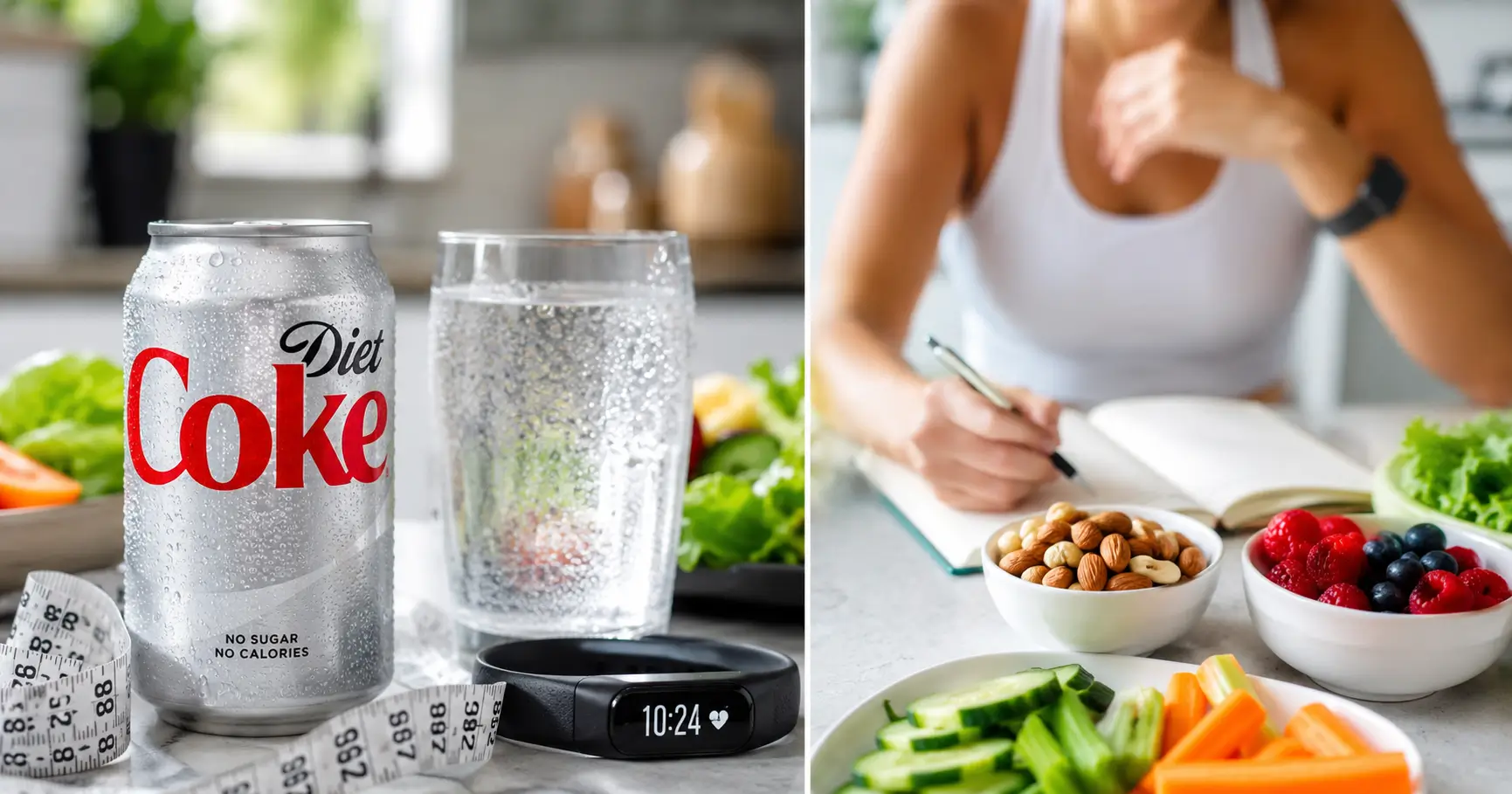

The Drink That Sparked a Global Debate
Walk into almost any supermarket, convenience store, or restaurant and you’ll find Diet Coke sitting prominently on shelves and menus.
For millions of people, it’s more than a soft drink. It’s a daily ritual.
Some drink it to avoid sugar. Others enjoy the taste. Many see it as a smarter alternative to regular soda.
But a question keeps returning:
What actually happens to your body when you drink Diet Coke regularly?
The answer isn’t as simple as many headlines make it sound.
While Diet Coke contains virtually no calories and no sugar, it also contains artificial sweeteners and other ingredients that continue to spark discussion among researchers and consumers alike. Diet Coke was introduced in 1982 as a sugar-free cola and remains one of the world’s best-known diet beverages.
Let’s examine what science, nutrition experts, and real-world experience tell us.
Diet Coke: What’s Actually Inside the Can?
Before discussing health effects, it’s important to understand what you’re drinking.
Typical Ingredients
- Carbonated water
- Caramel color
- Phosphoric acid
- Natural flavors
- Caffeine
- Artificial sweeteners (commonly aspartame)
Unlike regular cola, Diet Coke contains little to no sugar and almost no calories.
Nutrition Snapshot
| Nutrient | Approximate Amount |
|---|---|
| Calories | 0–2 |
| Sugar | 0g |
| Fat | 0g |
| Protein | 0g |
| Caffeine | Moderate |
| Carbohydrates | 0g |
This is why many people turn to Diet Coke when trying to reduce calorie intake.
Does Diet Coke Help With Weight Loss?
This is one of the most searched questions about Diet Coke.
The Potential Benefit
Replacing a 150-calorie sugary soda with a zero-calorie Diet Coke can reduce daily calorie consumption.
For example:
- Regular soda: ~150 calories
- Diet Coke: ~0 calories
Switching one daily soda could theoretically eliminate thousands of calories each month.
The Catch
Weight loss depends on overall eating habits.
Some people unconsciously compensate by eating more later because they believe they “saved calories.”
Researchers call this the compensation effect.
Practical Takeaway
Diet Coke may help reduce calorie intake if it replaces sugary beverages, but it is not a weight-loss solution by itself.
How Artificial Sweeteners Affect the Body
Diet Coke’s sweetness comes primarily from artificial sweeteners rather than sugar.
What We Know
Artificial sweeteners provide sweetness without significant calories.
Regulatory agencies in multiple countries have reviewed aspartame and consider it safe within established consumption limits.
Why the Debate Continues
Researchers continue studying:
- Appetite regulation
- Gut microbiome effects
- Long-term dietary behavior
- Sweetness perception
Current evidence remains mixed, which explains why discussions around Diet Coke continue.
What Most Experts Agree On
Moderate consumption appears very different from excessive consumption.
A can occasionally is not the same as multiple liters daily.
The Caffeine Factor Most People Ignore
Many discussions focus on sweeteners.
Fewer people talk about caffeine.
Potential Benefits
- Increased alertness
- Improved concentration
- Reduced fatigue
Potential Downsides
For sensitive individuals:
- Sleep disruption
- Jitters
- Increased anxiety
- Restlessness
If you regularly drink Diet Coke in the evening and struggle with sleep, caffeine may be a contributing factor.
What About Your Teeth?
One common misconception is that sugar-free automatically means tooth-friendly.
Not necessarily.
Why It Matters
Even without sugar, acidic beverages can contribute to enamel erosion over time.
The main concern isn’t sugar.
It’s acidity.
Smart Habits
- Avoid sipping continuously throughout the day.
- Drink water afterward.
- Use a straw when possible.
- Wait before brushing after acidic drinks.
These simple habits may help protect dental health.
Can Diet Coke Cause Cravings?
This topic generates enormous online interest.
Some people report that drinking very sweet beverages makes them crave additional sweet foods later.
Possible Explanation
The brain responds strongly to sweet tastes.
For certain individuals, this may reinforce cravings.
For others, Diet Coke actually satisfies a sweet craving and prevents higher-calorie choices.
The Reality
Responses vary dramatically between individuals.
Your personal experience matters.
If Diet Coke leads you toward healthier choices, that’s different from someone who follows every can with cookies and chips.
Diet Coke vs Regular Coke
This comparison remains one of the most important for consumers.
| Factor | Diet Coke | Regular Coke |
|---|---|---|
| Calories | Nearly Zero | High |
| Sugar | 0g | Significant |
| Sweetener | Artificial | Sugar/HFCS |
| Blood Sugar Impact | Minimal | Higher |
| Weight Management | Potentially Helpful | Easier to Overconsume |
For people trying to reduce sugar intake, Diet Coke generally offers advantages over traditional sugary soda.
Diet Coke vs Coke Zero
Another common question.
Key Differences
Diet Coke
- Different flavor profile
- Lighter taste
- Long-established brand
Coke Zero Sugar
- Designed to taste closer to classic Coca-Cola
- Similar calorie profile
- Also sugar-free
Consumer preference usually comes down to taste.
What Happens If You Drink Diet Coke Every Day?
The answer depends on quantity and overall lifestyle.
Occasional to Moderate Consumption
For many healthy adults:
- Minimal calorie intake
- Reduced sugar consumption
- Convenient alternative to sugary beverages
Heavy Consumption
If Diet Coke replaces:
- Water
- Milk
- Nutrient-rich beverages
Then nutritional balance may suffer.
Warning Signs
Consider reducing intake if you notice:
- Dependence on caffeine
- Sleep problems
- Frequent cravings
- Digestive discomfort
- Reduced water consumption
Healthier Alternatives Worth Considering
Even dedicated Diet Coke fans often benefit from variety.
Good Alternatives
- Sparkling water
- Flavored sparkling water
- Lemon water
- Unsweetened iced tea
- Green tea
- Infused water
- Coconut water (moderation)
The goal isn’t necessarily eliminating Diet Coke.
It’s avoiding dependence on any single beverage.
The Most Balanced Approach
Nutrition discussions often become extreme.
One side says Diet Coke is perfectly harmless.
The other claims it’s a disaster.
Reality usually sits somewhere in the middle.
A Practical Framework
Ask yourself:
- Am I drinking enough water?
- Is Diet Coke replacing sugary soda?
- Does it affect my sleep?
- Am I consuming it in moderation?
- Is my overall diet balanced?
If the answers are positive, Diet Coke is unlikely to be your biggest health concern.
Your overall lifestyle matters far more than one beverage.
FAQ Section
Is Diet Coke healthier than regular Coke?
Diet Coke contains virtually no sugar and very few calories, making it a lower-calorie alternative to regular Coke.
Can Diet Coke help with weight loss?
It may help reduce calorie intake when replacing sugary drinks, but weight loss depends on overall diet and lifestyle.
Is it safe to drink Diet Coke every day?
For most healthy adults, moderate consumption is generally considered safe within established guidelines.
Does Diet Coke contain sugar?
No. Diet Coke is sugar-free and uses artificial sweeteners instead.
Which is better, Diet Coke or Coke Zero?
Neither is universally better. Coke Zero is designed to taste more like regular Coke, while Diet Coke has its own distinct flavor.
Does Diet Coke cause dehydration?
Current evidence does not support the idea that moderate Diet Coke consumption causes significant dehydration.
Conclusion
Diet Coke remains one of the most popular sugar-free beverages in the world for a reason. It offers the sweetness and experience of soda without the calories and sugar found in traditional soft drinks.
For most people, moderate consumption can fit into a balanced lifestyle. The bigger health picture depends on overall diet quality, hydration, sleep, exercise, and long-term habits—not a single can of soda.
Enjoy Diet Coke if you like it, but make water your foundation, moderation your strategy, and informed choices your advantage.
Disclaimer
This article is for educational and informational purposes only. It is not medical advice and should not replace guidance from a qualified healthcare professional. Individual responses to foods and beverages vary, and dietary decisions should be based on personal health needs and professional recommendations.