
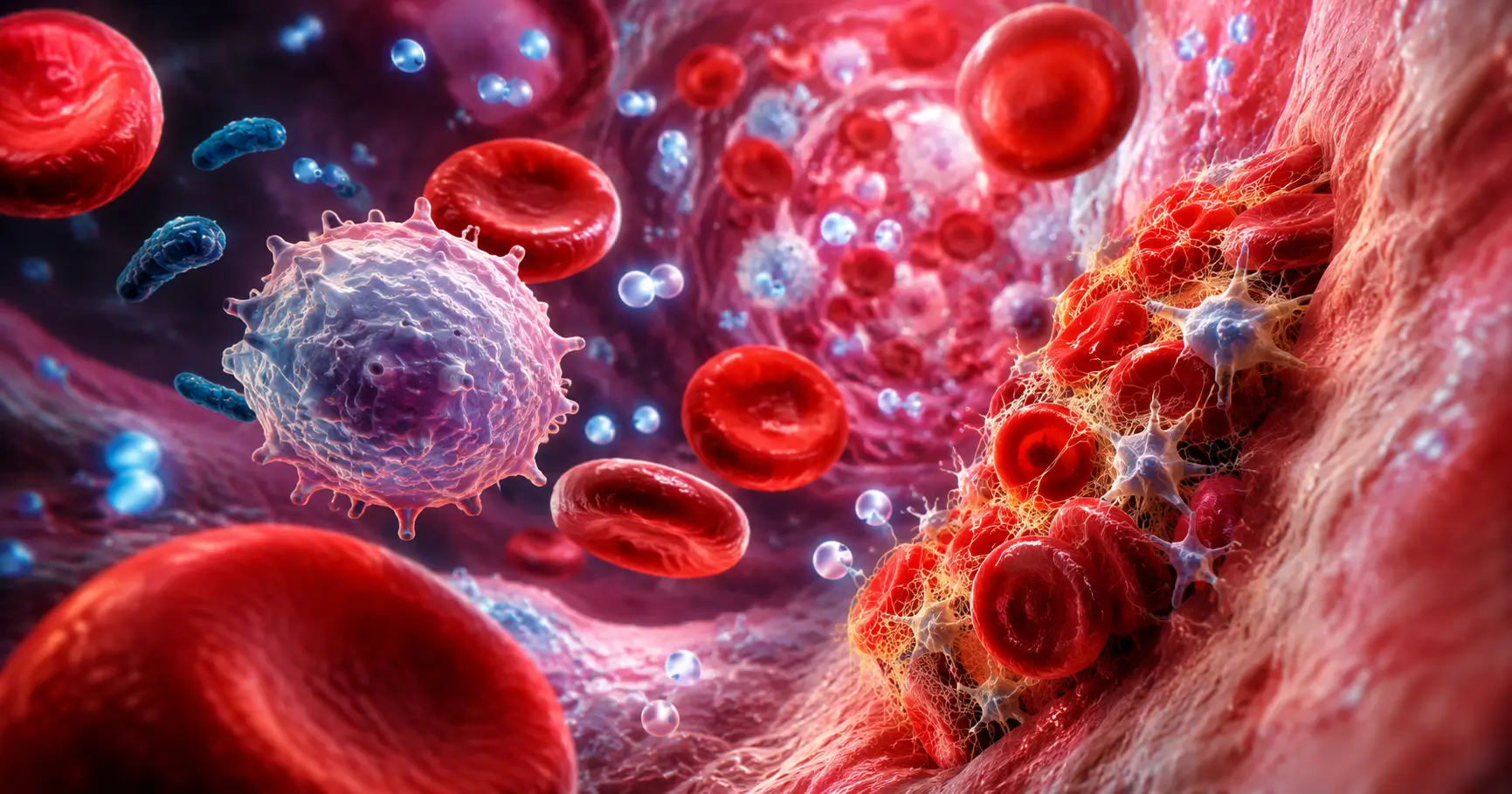

Every second, billions of blood cells travel through your body, quietly performing tasks that keep you alive. They deliver oxygen, fight infections, heal injuries, and remove waste—all without you noticing.
Yet most people only think about blood cells after receiving a blood test or hearing about a medical condition like anemia or leukemia. The truth is that these microscopic cells provide valuable clues about your overall health. Even small changes in their number or function can signal nutritional deficiencies, infections, immune disorders, or other underlying problems.
Understanding what blood cells do isn’t just for doctors or medical students. It can help you make sense of routine blood test results, recognize early warning signs, and appreciate the remarkable system working inside your body every day.
In this guide, you’ll discover how blood cells function, why they matter, and what they can reveal about your health.
What Are Blood Cells?
Blood cells are specialized cells that circulate through your bloodstream. They are produced mainly in the bone marrow, the soft tissue found inside many bones.
Unlike many other cells in the body, blood cells are constantly being replaced because they have limited lifespans. Your body produces millions of new blood cells every second to maintain healthy circulation and support essential bodily functions.
Together with plasma, blood cells form the major components of blood.
Their primary responsibilities include:
- Delivering oxygen to tissues
- Carrying carbon dioxide away from cells
- Fighting bacteria and viruses
- Helping blood clot after an injury
- Supporting immune function
- Maintaining overall health
Although they work together, not all blood cells have the same job. Each type is uniquely designed for a specific purpose.
Types of Blood Cells
There are three main types of blood cells, each playing a vital role in keeping your body healthy.
Red Blood Cells (RBCs)
Red blood cells are the most abundant blood cells in the human body.
Their main function is to transport oxygen from the lungs to every tissue and organ. After delivering oxygen, they carry carbon dioxide back to the lungs, where it is exhaled.
Red blood cells contain hemoglobin, an iron-rich protein responsible for the blood’s red color.
Healthy red blood cells are flexible and disc-shaped, allowing them to move efficiently through even the smallest blood vessels.
Common conditions affecting red blood cells include:
- Iron-deficiency anemia
- Vitamin B12 deficiency
- Sickle cell disease
- Thalassemia
Low red blood cell counts often cause symptoms such as fatigue, weakness, pale skin, dizziness, and shortness of breath.
White Blood Cells (WBCs)
White blood cells are the body’s natural defense system.
Whenever harmful bacteria, viruses, fungi, or parasites enter the body, white blood cells detect and destroy them.
Unlike red blood cells, white blood cells are present in much smaller numbers but play a crucial role in protecting health.
There are several types of white blood cells, including:
- Neutrophils
- Lymphocytes
- Monocytes
- Eosinophils
- Basophils
Each type specializes in fighting different kinds of infections or coordinating immune responses.
A high white blood cell count may indicate:
- Infection
- Inflammation
- Physical stress
- Certain medications
- Blood disorders
On the other hand, a low count can increase the risk of infections.
Platelets
Platelets are tiny cell fragments that help stop bleeding.
When you cut yourself, platelets quickly gather at the injured area and form a plug. They also release chemicals that trigger the clotting process, preventing excessive blood loss.
Without enough platelets, even small injuries could result in prolonged bleeding.
Conversely, too many platelets may increase the risk of unwanted blood clots, which can contribute to serious conditions such as stroke or heart attack.
Platelets play a delicate balancing role, ensuring blood flows smoothly while remaining ready to clot when necessary.
How Blood Cells Work Together
Although each blood cell has a different function, they operate as a highly coordinated team.
| Blood Cell Type | Primary Function | Why It Matters |
|---|---|---|
| Red Blood Cells | Carry oxygen | Powers every organ and tissue |
| White Blood Cells | Fight infections | Protects against harmful microbes |
| Platelets | Form blood clots | Prevents excessive bleeding |
Imagine your body as a bustling city:
- Red blood cells are the delivery trucks transporting oxygen.
- White blood cells are the security force defending against threats.
- Platelets are the emergency repair crews fixing damaged roads.
If any one of these systems fails, the entire body can be affected.
Where Blood Cells Are Made
Nearly all blood cells originate in the bone marrow through a remarkable process called hematopoiesis.
Hematopoietic stem cells have the unique ability to develop into different types of blood cells based on the body’s needs.
For example:
- During an infection, the bone marrow increases white blood cell production.
- After significant blood loss, it boosts red blood cell production.
- Following an injury, platelet production may rise to aid clotting.
This continuous renewal ensures that your bloodstream maintains the right balance of cells to support health.
Why Healthy Blood Cells Matter
Healthy blood cells influence nearly every aspect of your well-being.
They help:
- Maintain energy levels
- Support brain function
- Strengthen immunity
- Promote wound healing
- Deliver nutrients throughout the body
- Remove waste products efficiently
- Protect against disease
Even mild abnormalities in blood cell counts can affect how you feel, sometimes before noticeable symptoms develop.
Routine blood tests, especially a Complete Blood Count (CBC), provide valuable information about the number and condition of your blood cells, helping healthcare professionals detect potential issues early.
How Blood Cell Counts Can Reveal Hidden Health Problems
A routine blood test can provide a surprising amount of information about your health. One of the most common laboratory tests is the Complete Blood Count (CBC), which measures the number and characteristics of your blood cells.
Doctors use CBC results to detect infections, nutritional deficiencies, blood disorders, inflammation, and many other conditions—even before symptoms become severe.
Below is a simplified overview of what unusual blood cell counts may suggest.
| Blood Cell | Low Count May Indicate | High Count May Indicate |
|---|---|---|
| Red Blood Cells | Anemia, blood loss, vitamin deficiency | Dehydration, lung disease, certain bone marrow disorders |
| White Blood Cells | Viral infections, immune disorders, some medications | Bacterial infection, inflammation, stress, leukemia |
| Platelets | Bleeding disorders, viral illness, bone marrow disease | Chronic inflammation, iron deficiency, clotting disorders |
It’s important to remember that one abnormal result does not automatically mean you have a serious illness. Doctors interpret blood test results alongside your symptoms, medical history, physical examination, and, if needed, additional tests.
Common Disorders That Affect Blood Cells
Blood cell disorders range from mild nutritional deficiencies to more complex medical conditions. Understanding the most common ones can help you recognize why early diagnosis matters.
Anemia
Anemia occurs when your body doesn’t have enough healthy red blood cells or hemoglobin to carry sufficient oxygen.
Common symptoms include:
- Persistent fatigue
- Weakness
- Pale skin
- Dizziness
- Headaches
- Shortness of breath
Iron deficiency is one of the leading causes of anemia worldwide, but vitamin B12 deficiency, chronic diseases, and blood loss can also contribute.
Leukemia
Leukemia is a type of cancer that affects the bone marrow and blood-forming tissues. It leads to the production of abnormal white blood cells that do not function properly.
Possible warning signs include:
- Frequent infections
- Unexplained bruising
- Fever
- Fatigue
- Weight loss
- Night sweats
Early detection significantly improves treatment options, making routine medical evaluations important when symptoms persist.
Thrombocytopenia
Thrombocytopenia refers to a low platelet count.
People with this condition may experience:
- Easy bruising
- Nosebleeds
- Bleeding gums
- Tiny red or purple spots on the skin (petechiae)
- Prolonged bleeding after cuts
Treatment depends on the underlying cause, which can range from viral infections to certain medications or immune disorders.
Polycythemia
Polycythemia occurs when the body produces too many red blood cells.
This can make the blood thicker than normal, increasing the risk of blood clots.
Symptoms may include:
- Headaches
- Blurred vision
- Dizziness
- High blood pressure
- Itchy skin after a warm shower
Doctors evaluate the underlying cause before recommending treatment.
Factors That Influence Blood Cell Health
Your blood cells are constantly being renewed, and several lifestyle and health factors affect how well this process works.
Nutrition
Your bone marrow needs essential nutrients to produce healthy blood cells.
Important nutrients include:
- Iron for hemoglobin production
- Vitamin B12 for red blood cell formation
- Folate for DNA synthesis
- Vitamin B6
- Copper
- Protein
A balanced diet supports continuous blood cell production.
Hydration
Even mild dehydration can temporarily change blood test results by making blood appear more concentrated.
Drinking enough water helps maintain healthy circulation and accurate laboratory values.
Physical Activity
Regular exercise offers several benefits:
- Improves blood circulation
- Supports heart health
- Enhances oxygen delivery
- Stimulates healthy red blood cell production over time
Moderate exercise is generally beneficial for overall blood health.
Sleep
Quality sleep supports immune function and allows your body to repair tissues and regulate hormone production.
Poor sleep may indirectly affect white blood cell activity and overall immune resilience.
Smoking
Smoking exposes the body to carbon monoxide, reducing oxygen delivery.
To compensate, the body may produce extra red blood cells, which can increase blood thickness and cardiovascular risk.
Chronic Diseases
Certain long-term conditions can influence blood cell production, including:
- Kidney disease
- Liver disease
- Autoimmune disorders
- Chronic infections
- Cancer
- Inflammatory diseases
Managing these conditions often helps improve blood cell health.
Foods That Support Healthy Blood Cells
While no single food can “boost” blood cells overnight, a nutrient-rich diet provides the building blocks your body needs.
Iron-Rich Foods
- Lean beef
- Spinach
- Lentils
- Chickpeas
- Pumpkin seeds
- Tofu
Vitamin B12 Sources
- Fish
- Eggs
- Milk
- Yogurt
- Cheese
- Fortified cereals
Folate-Rich Foods
- Broccoli
- Asparagus
- Avocados
- Citrus fruits
- Beans
- Leafy greens
Vitamin C Foods
Vitamin C improves iron absorption.
Good sources include:
- Oranges
- Strawberries
- Kiwi
- Bell peppers
- Tomatoes
Protein Sources
Healthy proteins help your bone marrow create new cells.
Examples include:
- Chicken
- Fish
- Eggs
- Beans
- Greek yogurt
- Soy products
Common Myths vs. Facts About Blood Cells
| Myth | Fact |
|---|---|
| Blood cells never change. | Your body produces millions of new blood cells every second. |
| Only sick people need blood tests. | Routine CBC tests can detect problems early, even without symptoms. |
| More red blood cells are always better. | Excessively high counts can increase the risk of blood clots. |
| White blood cells only fight bacteria. | They also respond to viruses, fungi, parasites, and abnormal cells. |
| Platelets are full cells. | Platelets are actually tiny cell fragments involved in clotting. |
Practical Tips to Keep Your Blood Cells Healthy
Healthy blood cells depend on consistent habits rather than quick fixes.
Here are some evidence-based strategies:
- Eat a balanced diet rich in iron, vitamins, and protein.
- Stay physically active most days of the week.
- Drink enough water throughout the day.
- Avoid smoking and limit alcohol intake.
- Get regular health checkups.
- Donate blood only if you’re eligible and medically cleared.
- Manage chronic conditions as advised by your healthcare provider.
- Get enough sleep every night.
- Practice good hygiene to reduce infections.
- Follow your doctor’s advice before taking iron or vitamin supplements.
When Should You See a Doctor?
While many blood cell changes are temporary, certain symptoms should never be ignored.
Seek medical advice if you experience:
- Severe or persistent fatigue
- Frequent infections
- Unexplained bruising
- Prolonged bleeding
- Pale skin
- Unexplained weight loss
- Persistent fever
- Night sweats
- Shortness of breath
- Blood in urine or stool
Early evaluation can identify treatable conditions before they become more serious.
Key Takeaways
- Blood cells are essential for transporting oxygen, fighting infections, and preventing excessive bleeding.
- There are three primary types: red blood cells, white blood cells, and platelets.
- A Complete Blood Count (CBC) is one of the most valuable tools for assessing blood cell health.
- Healthy nutrition, hydration, exercise, and sleep support normal blood cell production.
- Persistent abnormalities in blood cell counts should always be evaluated by a qualified healthcare professional.
Blood cells may be microscopic, but they provide one of the clearest windows into your overall health. Learning how they work empowers you to better understand your body and the importance of regular preventive care.
Frequently Asked Questions (FAQ)
1. What are blood cells?
Blood cells are specialized cells in the bloodstream that transport oxygen, fight infections, and help blood clot. The three main types are red blood cells, white blood cells, and platelets.
2. What are the three types of blood cells?
The three primary types are:
- Red blood cells (RBCs): Carry oxygen throughout the body.
- White blood cells (WBCs): Defend against infections and support the immune system.
- Platelets: Help form blood clots to stop bleeding.
3. What is the function of red blood cells?
Red blood cells transport oxygen from the lungs to body tissues and carry carbon dioxide back to the lungs for removal. They contain hemoglobin, the protein responsible for oxygen transport.
4. What does a Complete Blood Count (CBC) measure?
A CBC measures the number and characteristics of red blood cells, white blood cells, platelets, hemoglobin, hematocrit, and other blood components. It helps detect conditions such as anemia, infections, and certain blood disorders.
5. What causes abnormal blood cell counts?
Abnormal blood cell counts can result from infections, nutritional deficiencies, chronic diseases, medications, autoimmune conditions, bone marrow disorders, or dehydration. A healthcare professional should interpret results in the context of your overall health.
6. How can I keep my blood cells healthy?
Support healthy blood cell production by eating a balanced diet rich in iron, vitamin B12, folate, and protein, staying hydrated, exercising regularly, getting enough sleep, avoiding smoking, and attending routine health checkups.
Conclusion
Blood cells may be microscopic, but their role in keeping you healthy is enormous. From carrying oxygen and fighting infections to preventing excessive bleeding, red blood cells, white blood cells, and platelets work together every moment to support life.
Understanding how these cells function—and what changes in their numbers may indicate—can help you better interpret routine blood tests, recognize potential warning signs, and appreciate the importance of preventive healthcare. While a healthy lifestyle supports normal blood cell production, persistent symptoms or abnormal test results should always be evaluated by a qualified healthcare professional.
Key Takeaways
- Blood contains three main types of cells: red blood cells, white blood cells, and platelets.
- Each type has a unique role in oxygen transport, immune defense, and blood clotting.
- A Complete Blood Count (CBC) is a valuable screening tool for assessing blood health.
- Balanced nutrition, regular exercise, hydration, quality sleep, and avoiding smoking contribute to healthy blood cell production.
- Early detection of blood cell abnormalities can improve the diagnosis and management of many medical conditions.
Disclaimer
Medical Disclaimer:
This article is intended for educational and informational purposes only. It is not a substitute for professional medical advice, diagnosis, or treatment. Always consult a qualified healthcare provider regarding any medical concerns, symptoms, or abnormal blood test results. Never ignore or delay seeking professional medical care based on information you have read online.
If you found this guide helpful, explore more evidence-based articles on blood health, nutrition, and preventive care. Staying informed is one of the best ways to support your long-term health, and routine checkups can help detect potential issues before they become serious.