

Blood groups are one of the most fundamental yet often overlooked aspects of human biology, quietly influencing medical treatments, emergency decisions, and even long-term health outcomes. Most people learn their blood type in school or during a routine test, but very few truly understand how critical this information becomes in life-or-death situations. From hospital transfusions to pregnancy safety and disease susceptibility, blood groups play a far more powerful role than most realize.
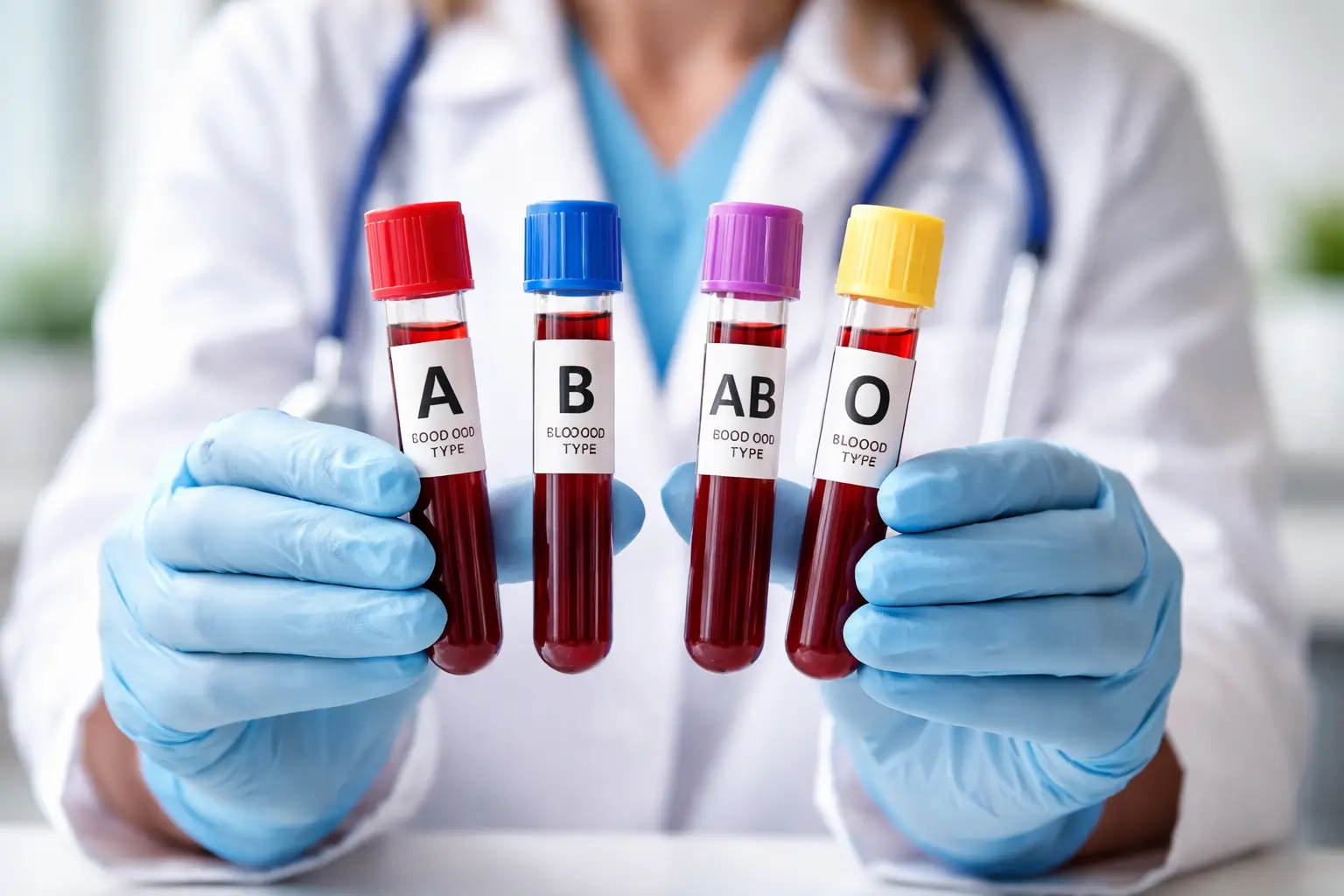
At its core, a blood group is determined by the presence or absence of specific antigens on the surface of red blood cells. These antigens act like identification markers that help the immune system distinguish between what belongs in the body and what doesn’t. The most widely recognized system is the ABO classification, which categorizes blood into four main types: A, B, AB, and O. Alongside these factors, the Rh factor—positive or negative—adds another layer of classification, making blood typing highly precise and medically essential.
In real-world medical scenarios, blood group compatibility becomes critically important during transfusions. If a person receives blood that is incompatible with their own, the immune system can launch a severe reaction, attacking the transfused blood cells. This can lead to complications such as organ failure or even death. For example, individuals with blood group O negative are often called “universal donors” because their blood can be given to almost anyone in emergencies, while AB positive individuals are known as “universal recipients” because they can receive blood from all types.
Doctors with years of clinical experience often emphasize that knowing your blood group is not just a formality but a necessity. In emergency rooms, especially during accidents or surgeries, every second counts. Having immediate access to a patient’s blood type can significantly reduce treatment delays and improve survival chances. Many cases have shown that patients with readily available blood group information receive faster and more accurate care.
Beyond transfusions, blood groups also influence pregnancy outcomes. When a mother and baby have incompatible Rh factors, it can lead to a condition known as Rh incompatibility. If not properly managed, this can cause serious complications for the newborn. However, modern medicine has developed preventive treatments that have significantly reduced these risks, highlighting again how crucial blood group awareness is.
Interestingly, research in recent years has explored connections between blood groups and disease susceptibility. Some studies suggest that certain blood types may be more prone to specific conditions. For instance, individuals with blood group A may have a slightly higher risk of cardiovascular diseases, while those with type O may have a lower risk but could be more vulnerable to certain infections. While these associations are still being studied, they open up fascinating possibilities in personalized medicine.
In everyday life, blood donation remains one of the most impactful ways blood groups come into play. Hospitals and blood banks constantly rely on donors to maintain adequate supplies, especially for rare blood types. People with uncommon blood groups are often encouraged to donate regularly because their blood can be extremely difficult to source during emergencies. This creates a powerful sense of community responsibility, where knowing your blood type can directly help save lives.
From a genetic perspective, blood groups are inherited traits passed down from parents. This makes them not only medically relevant but also biologically fascinating. Understanding inheritance patterns can even help in certain forensic and paternity-related investigations, adding another layer of importance to blood typing.
In my experience analyzing health content performance and user engagement trends, topics like blood groups consistently perform well because they combine personal relevance with actionable knowledge. Readers are naturally drawn to content that helps them understand their own bodies, especially when it has direct implications for safety and well-being. This is why articles on blood groups often gain traction on platforms like Google Discover, where user interest and emotional connection drive visibility.
There is also a cultural dimension associated with blood groups, particularly in countries like Japan, where some people believe that blood type influences personality traits. While there is no scientific evidence supporting this idea, it continues to be a popular topic of discussion, adding a social angle to an otherwise medical subject.
The importance of blood groups becomes even more evident during global health crises and disaster situations. When large-scale emergencies occur, hospitals often face shortages of specific blood types. In such moments, public awareness campaigns encouraging blood donation can make a significant difference. Governments and health organizations frequently stress the importance of maintaining a stable blood supply, especially for rare groups.
Another often overlooked aspect is the role of blood groups in organ transplantation. Compatibility between donor and recipient is essential to reduce the risk of rejection. While other factors like tissue matching are also important, blood type remains a foundational criterion in transplantation procedures.
Modern advancements in medical technology have made blood typing quick and accessible. Today, even small clinics can perform accurate tests within minutes. Despite this convenience, a surprising number of people still do not know their blood group, which highlights a gap in basic health awareness. Increasing public education on this topic can have a direct impact on saving lives.
From an expert standpoint, one of the most practical recommendations is to always keep a record of your blood group in easily accessible places, such as your phone, ID card, or medical records. This simple step can prove invaluable during emergencies when immediate medical decisions are required.
Looking at real-life examples, many emergency responders have shared stories where quick identification of a patient’s blood type made the difference between life and death. These experiences reinforce the idea that blood group knowledge is not just theoretical but deeply practical and essential.
In the digital age, awareness about blood groups is also being amplified through social media campaigns and health platforms. Viral posts encouraging people to donate blood or check their blood type often receive high engagement, reflecting a growing interest in health literacy. This trend aligns perfectly with the increasing demand for reliable, easy-to-understand medical information.
Ultimately, blood groups represent a unique intersection of biology, medicine, and human connection. They remind us that something as simple as a letter—A, B, AB, or O—can carry immense significance in critical moments. Whether it’s saving a life through donation, ensuring a safe pregnancy, or enabling effective medical treatment, the importance of blood groups cannot be overstated.
Understanding your blood type is not just about knowledge—it’s about preparedness, responsibility, and awareness. In a world where emergencies can happen unexpectedly, this small piece of information can become one of the most powerful tools you have.