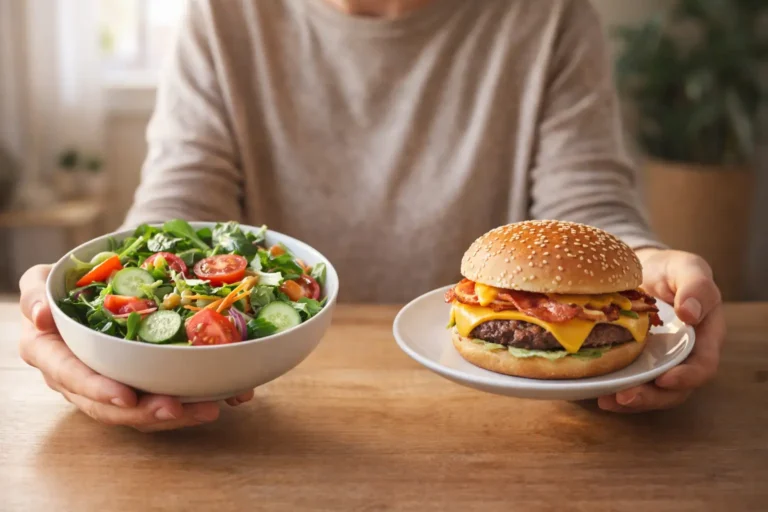


Weight Loss Diet Plan That Actually Works (Complete Guide)
Losing weight is not about starving yourself or following extreme diets. It’s about understanding your body, making smarter food choices, and maintaining consistency.
In today’s fast-paced lifestyle, people struggle with weight due to poor eating habits, stress, and lack of physical activity. The good news? A structured weight loss diet can completely transform your health without complicated routines.
This guide gives you a practical, science-backed approach to losing weight sustainably.
What is a Weight Loss Diet?
A weight loss diet is a structured eating plan designed to help you reduce body fat by creating a calorie deficit.
This means:
You consume fewer calories than your body burns.
But it’s not just about eating less—it’s about eating right.
A good weight loss diet includes:
- Balanced nutrients
- Adequate protein
- Healthy fats
- Controlled carbohydrates
Why It Is Important Today
Modern lifestyles have made weight gain easier than ever.
Reasons include:
- Sedentary jobs
- Processed food consumption
- Stress eating
- Poor sleep patterns
Obesity is now linked to serious conditions like:
- Diabetes
- Heart disease
- Hormonal imbalance
A proper diet helps not only in weight loss but also improves overall health.
Benefits / Key Insights
Following a structured diet plan provides:
- Sustainable fat loss
- Better metabolism
- Increased energy levels
- Improved digestion
- Hormonal balance
- Better mental clarity
Key Insight:
Weight loss is 70% diet and only 30% exercise.
Step-by-Step Guide to Weight Loss Diet
Step 1: Create a Calorie Deficit
Start by reducing 300–500 calories daily.
Step 2: Increase Protein Intake
Protein helps in fat loss and muscle retention.
Examples: eggs, paneer, lentils, chicken
Step 3: Reduce Sugar & Refined Carbs
Avoid:
- Sugary drinks
- White bread
- Packaged snacks
Step 4: Eat More Whole Foods
Include:
- Fruits
- Vegetables
- Whole grains
Step 5: Stay Hydrated
Drink at least 2–3 liters of water daily.
Step 6: Follow a Simple Diet Plan
Sample Indian Diet Plan:
Morning: Warm water + lemon
Breakfast: Oats / Poha / Eggs
Lunch: Roti + sabzi + dal + salad
Evening: Fruits / Nuts
Dinner: Light meal (soup / salad / paneer)
Expert Tips
📌 Expert Tip Box:
- Never skip meals; it slows metabolism
- Eat slowly to avoid overeating
- Sleep at least 7 hours daily
- Avoid crash diets
- Track your calories
Common Mistakes
Many people fail because of these mistakes:
- Skipping meals
- Following extreme diets
- Not eating enough protein
- Ignoring portion control
- Expecting quick results
Consistency matters more than perfection.
Real Life Examples
Example 1:
A working professional reduced 8 kg in 3 months by simply:
- Cutting sugar
- Walking daily
- Eating home-cooked meals
Example 2:
A student lost 5 kg by:
- Switching to a high-protein diet
- Avoiding junk food
- Drinking more water
These examples show that simple habits can create big changes.
Future Trends in Weight Loss Diet
The future of dieting is becoming smarter and personalized.
Upcoming trends include:
- AI-based diet planning
- Personalized nutrition
- Gut health-focused diets
- Sustainable eating habits
People are moving away from crash diets toward long-term health.
Conclusion
A successful weight loss diet is not about restrictions—it’s about smart choices and consistency.
Focus on:
- Balanced meals
- Healthy habits
- Long-term sustainability
Start small, stay consistent, and results will follow.
FAQ
1. What is the best diet for weight loss?
A balanced diet with a calorie deficit, high protein, and whole foods works best.
2. How fast can I lose weight safely?
0.5–1 kg per week is considered safe and sustainable.
3. Can I lose weight without exercise?
Yes, diet plays the biggest role, but exercise improves results.
4. What foods should I avoid?
Sugary foods, processed snacks, and refined carbs.
5. Is intermittent fasting effective?
Yes, it can help reduce calorie intake if followed correctly.
6. How many meals should I eat daily?
3–5 balanced meals depending on your lifestyle.
DISCLAIMER
This content is for informational purposes only and does not replace professional medical advice. Always consult a qualified healthcare provider before starting any diet or weight loss program.
This article is written by Krishna, a health content creator at Peaceful Health, focused on evidence-based wellness and nutrition guidance.