
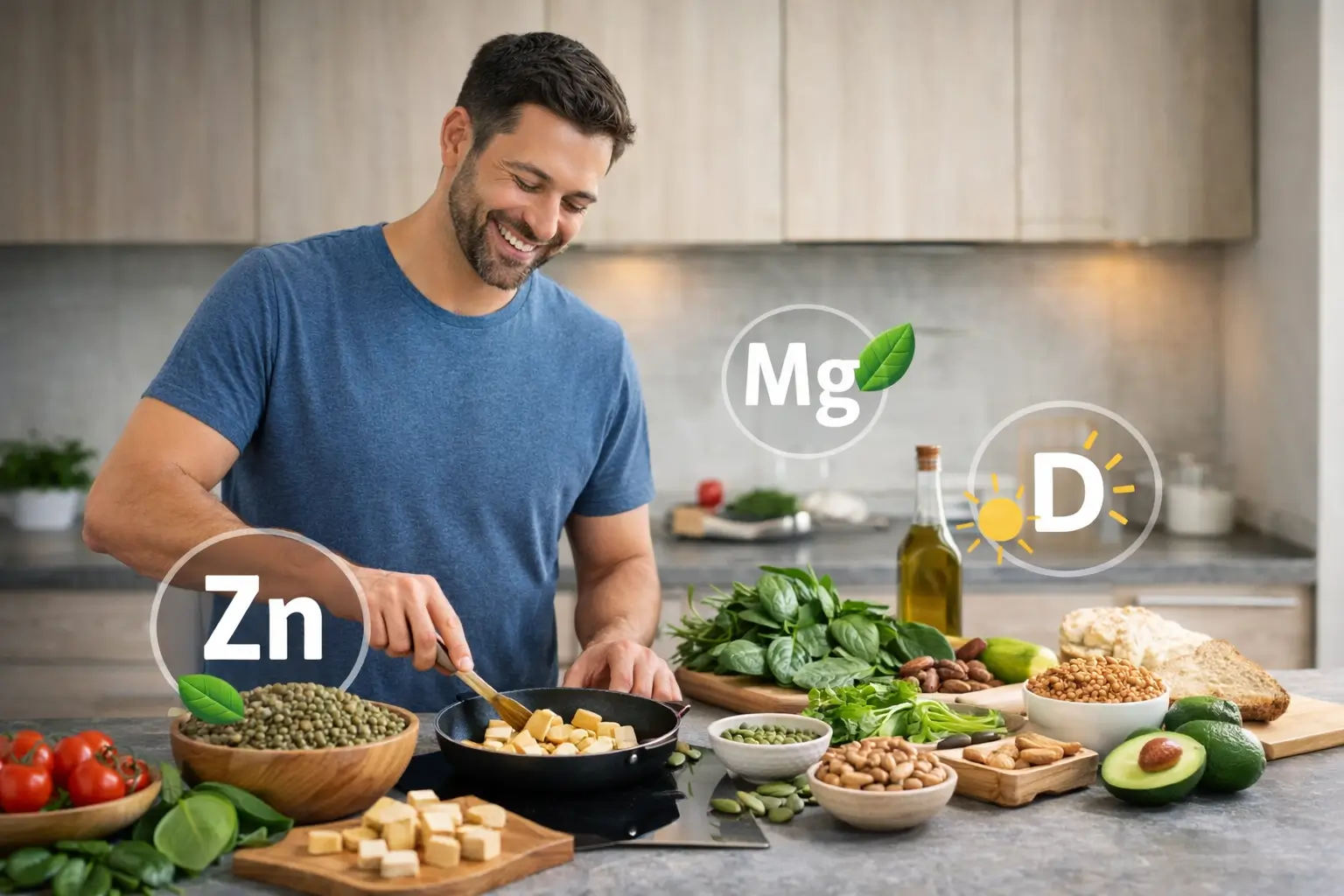

Introduction: Can a Vegetarian Diet Support Healthy Testosterone?
Many men believe that boosting testosterone requires steak, eggs, and animal protein. That assumption is outdated.
A properly structured testosterone boosting diet plan for men can absolutely be vegetarian and still support healthy hormone balance. The key lies in nutrient density, hormonal biochemistry, and smart food combinations—not simply protein quantity.
As someone who has studied nutrition science and men’s metabolic health patterns closely, I can confidently say this: testosterone production depends more on micronutrients, body composition, sleep quality, and overall metabolic health than on meat consumption alone.
This guide provides a detailed, evidence-based vegetarian testosterone boosting diet plan for men—without hype, unsafe claims, or unrealistic promises.
What Is a Testosterone Boosting Diet Plan for Men?
A testosterone boosting diet plan for men is a structured eating approach designed to support the body’s natural testosterone production by ensuring adequate intake of protein, healthy fats, zinc, magnesium, vitamin D, and other essential micronutrients while maintaining optimal body composition and metabolic health.
Understanding Testosterone: What It Really Is
Before planning a diet, we need clarity.
What Is Testosterone?
Testosterone is the primary male sex hormone. It is produced mainly in the testes and regulated by the hypothalamic-pituitary-gonadal (HPG) axis.
It influences:
- Muscle mass
- Bone density
- Libido
- Mood stability
- Energy levels
- Fat distribution
- Red blood cell production
What Causes Low Testosterone?
Low testosterone may be influenced by:
- Obesity
- Chronic stress (high cortisol)
- Poor sleep
- Nutrient deficiencies
- Insulin resistance
- Excessive alcohol intake
- Sedentary lifestyle
Diet plays a foundational role in preventing these triggers.
Key Nutrients in a Vegetarian Testosterone Boosting Diet Plan for Men
A vegetarian testosterone boosting diet plan for men must focus on specific nutrients essential for hormone synthesis.
1. Protein (Building Block for Hormones)
Protein supports muscle mass and metabolic health.
Vegetarian sources:
- Lentils
- Chickpeas
- Kidney beans
- Tofu
- Tempeh
- Greek yogurt (if lacto-vegetarian)
- Paneer
- Quinoa
Aim for 1.0–1.2 g per kg body weight for active men.
2. Healthy Fats (Critical for Hormone Production)
Testosterone is synthesized from cholesterol. Extremely low-fat diets may impair hormone production.
Vegetarian fat sources:
- Nuts (almonds, walnuts)
- Seeds (pumpkin, sunflower, flax)
- Avocados
- Olive oil
- Ghee (if tolerated)
Omega-3 fatty acids help reduce inflammation and improve metabolic balance.
3. Zinc (Testosterone-Supporting Mineral)
Zinc plays a direct role in testosterone synthesis.
Vegetarian zinc sources:
- Pumpkin seeds
- Sesame seeds
- Chickpeas
- Cashews
- Whole grains
Daily requirement: ~11 mg for adult men.
4. Magnesium (Supports Free Testosterone)
Magnesium may help reduce SHBG (sex hormone binding globulin), increasing free testosterone availability.
Sources:
- Spinach
- Almonds
- Black beans
- Dark chocolate (70%+ cocoa)
- Whole grains
5. Vitamin D (Hormonal Regulator)
Vitamin D functions like a hormone in the body.
Sources:
- Sunlight exposure (15–20 minutes daily)
- Fortified dairy or plant milk
- Mushrooms exposed to sunlight
Blood levels are the most accurate assessment.
6. Vitamin B Complex (Energy & Hormone Pathways)
Especially B6 and B12.
Vegetarians should monitor B12 carefully.
Sources:
- Dairy
- Fortified cereals
- Nutritional yeast
- Supplements if necessary
7. Iron (Energy & Oxygen Transport)
Low iron may reduce energy levels.
Sources:
- Spinach
- Lentils
- Tofu
- Pumpkin seeds
Combine with vitamin C to improve absorption.
Vegetarian Testosterone Boosting Diet Plan for Men: 7-Day Example
Day 1
Breakfast:
- Oats with almonds, pumpkin seeds, banana
- Greek yogurt
Lunch:
- Quinoa + mixed vegetables
- Lentil curry
Dinner:
- Tofu stir-fry with broccoli
- Brown rice
Day 2
Breakfast:
- Smoothie (spinach, peanut butter, protein powder, almond milk)
Lunch:
- Chickpea salad with olive oil dressing
Dinner:
- Paneer with sautéed vegetables
- Whole wheat roti
(Continue similar rotation focusing on variety and balance.)
Macronutrient Distribution for Hormone Support
A balanced structure:
- 30% Protein
- 30–35% Healthy fats
- 35–40% Complex carbohydrates
Avoid extremely low-carb or extremely low-fat extremes.
Foods to Limit in a Testosterone Boosting Diet Plan for Men
- Highly processed foods
- Trans fats
- Excess sugar
- Excess soy isolates in large amounts
- Excess alcohol
- Deep fried foods
Moderation is key.
Lifestyle Factors That Amplify Diet Results
Diet alone cannot fix hormonal imbalance.
1. Strength Training
Compound lifts increase testosterone response.
2. Sleep (7–8 Hours)
Testosterone production peaks during deep sleep.
3. Stress Reduction
Chronic cortisol suppresses testosterone.
4. Maintain Healthy Body Fat
Excess fat increases aromatization (testosterone to estrogen conversion).
Pros and Cons of a Vegetarian Testosterone Boosting Diet Plan for Men
Pros
- Lower inflammation
- Better heart health
- Rich in fiber
- Sustainable long term
Cons
- Risk of B12 deficiency
- Zinc absorption lower in plant foods
- Requires careful planning
Common Mistakes Men Make
- Eating too little fat
- Not consuming enough protein
- Ignoring micronutrients
- Over-relying on supplements
- Skipping sleep
Can Supplements Help?
When deficiencies exist, supplements may help:
- Vitamin D
- Zinc
- Magnesium
- B12
Always confirm with blood testing before high-dose use.
Frequently Asked Questions
1. Can a vegetarian testosterone boosting diet plan for men really work?
Yes, if nutrient-dense, balanced, and combined with healthy lifestyle habits.
2. Does soy lower testosterone?
Moderate whole soy consumption does not appear to significantly reduce testosterone in healthy men.
3. How long does it take to see results?
Dietary improvements may support hormonal balance within weeks, but measurable changes vary individually.
4. Is protein powder necessary?
Not mandatory but helpful if protein intake is insufficient.
5. Should I avoid carbs?
No. Complex carbohydrates support energy and training performance.
6. Is intermittent fasting good for testosterone?
It may help some men improve metabolic health but should not result in chronic calorie restriction.
Conclusion: Sustainable Hormone Health Over Quick Fixes
A vegetarian testosterone boosting diet plan for men is not about shortcuts. It is about nutrient sufficiency, balanced macronutrients, and long-term metabolic health.
Focus on:
- Whole foods
- Adequate protein
- Healthy fats
- Micronutrient coverage
- Consistent training
- Quality sleep
Testosterone optimization is gradual and sustainable—not instant.
Start with one habit this week. Build consistency.
Disclaimer
This article is for educational purposes only and does not replace medical advice. Consult a healthcare professional before making dietary or supplement changes, especially if you suspect hormonal imbalance.
