
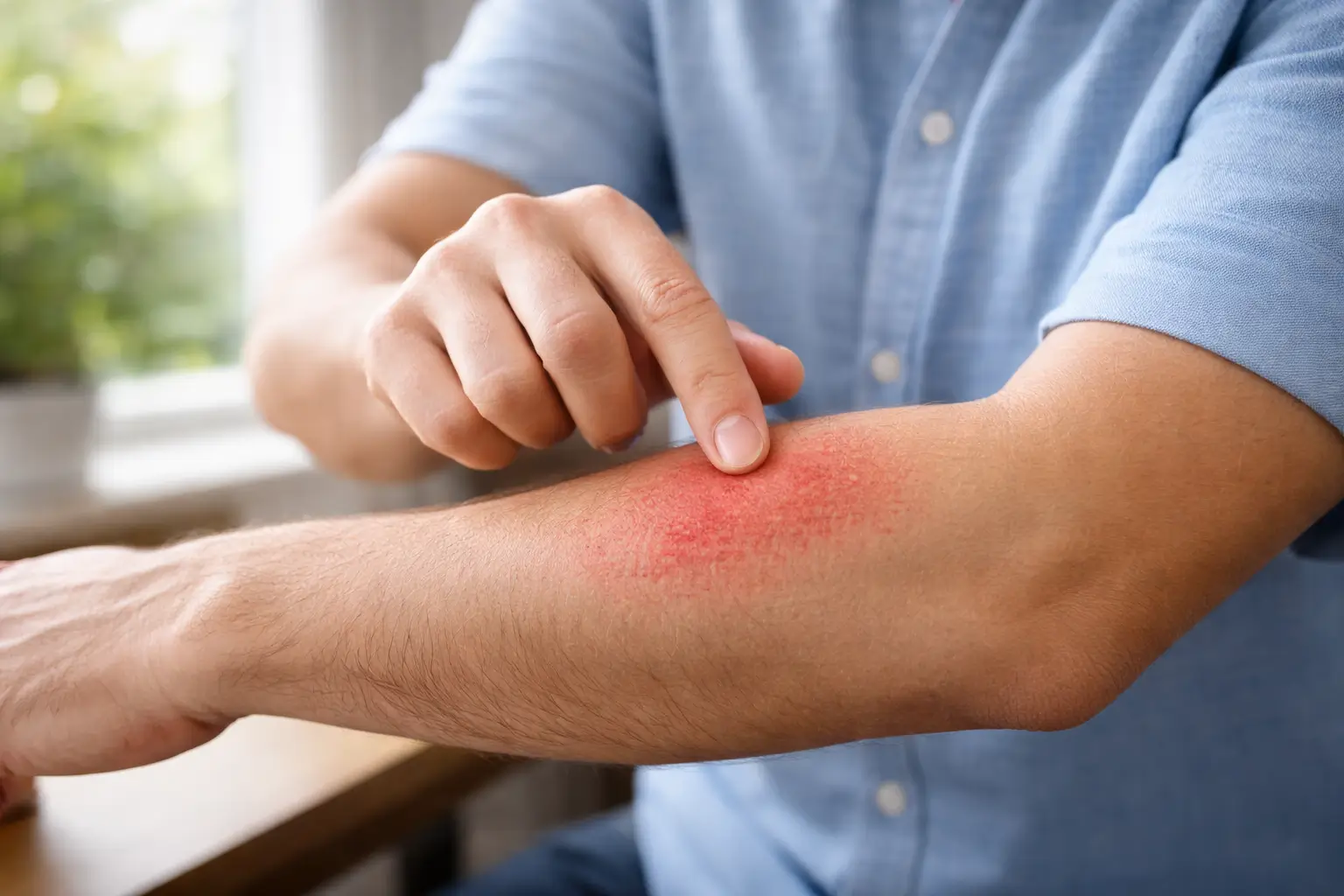

Skin Infection: Causes, Symptoms, Treatment & Prevention Guide
Skin infections are one of the most common health issues affecting people of all ages. They occur when harmful microorganisms such as bacteria, fungi, viruses, or parasites invade the skin and begin to multiply.
Although many skin infections are mild and treatable, ignoring early symptoms can sometimes lead to serious complications. Understanding how these infections develop and how to treat them can help prevent discomfort and long-term skin damage.
Why Skin Infections Are Becoming More Common
In recent years, dermatologists have observed an increase in skin infections. Several lifestyle and environmental factors contribute to this trend.
Common triggers include:
- excessive sweating
- humid weather
- poor hygiene
- tight clothing
- sharing personal items
- weakened immune systems
Urban pollution and increasing antibiotic resistance may also contribute to skin health problems.
What Is a Skin Infection?
A skin infection occurs when harmful microorganisms enter the skin through small cuts, hair follicles, or damaged skin tissue.
There are several different types of infections depending on the microorganism involved.
Bacterial Skin Infections
Bacterial infections occur when bacteria enter the skin through cuts or wounds.
Examples include:
- impetigo
- cellulitis
- folliculitis
Symptoms often include redness, swelling, and pain.
Fungal Skin Infections
Fungal infections are extremely common and thrive in warm, moist environments.
Examples include:
- ringworm
- athlete’s foot
- jock itch
These infections usually cause itching, redness, and flaky skin.
Viral Skin Infections
Certain viruses can infect the skin and cause visible symptoms.
Examples include:
- herpes simplex
- warts
- chickenpox
These infections often produce blisters or raised bumps.
Parasitic Skin Infections
Parasites such as mites can burrow into the skin.
A well-known example is scabies, which causes intense itching and rash.
Important Facts About Skin Infections
Several health studies highlight the widespread nature of skin infections.
Key facts include:
- Skin infections are among the most common reasons for dermatology visits.
- Fungal infections are more common in humid climates.
- People with diabetes or weak immunity face higher risks.
Understanding these facts can help individuals recognize early symptoms.
Common Causes of Skin Infection
Skin infections usually occur due to one or more contributing factors.
Bacteria
Bacteria naturally live on the skin. However, when the skin barrier breaks, harmful bacteria can enter and cause infection.
Fungi
Fungi thrive in warm environments such as:
- sweaty clothing
- locker rooms
- public showers
This is why fungal infections are common among athletes and gym users.
Poor Hygiene
Inadequate skin hygiene allows microorganisms to multiply on the skin.
Regular washing and proper skincare help reduce infection risk.
Excessive Sweating
Sweat creates a moist environment that supports fungal growth.
This is why skin infections often occur in areas such as:
- armpits
- groin
- feet
Early Symptoms of Skin Infection
Recognizing early symptoms can prevent the infection from spreading.
Common warning signs include:
- redness
- itching
- swelling
- skin rash
- burning sensation
- flaky or peeling skin
Some infections may also produce pus-filled bumps or blisters.
Step-by-Step Treatment Guide
1. Keep the Area Clean
Clean the affected area using mild soap and water. This helps remove bacteria and reduce infection risk.
2. Use Topical Treatments
Doctors often recommend:
- antifungal creams
- antibacterial ointments
- medicated lotions
These treatments help eliminate microorganisms causing infection.
3. Avoid Scratching
Scratching irritated skin can worsen the infection and spread bacteria to other areas.
4. Maintain Proper Hygiene
Helpful practices include:
- wearing breathable clothing
- keeping skin dry
- washing hands regularly
- avoiding sharing personal items
5. Seek Medical Advice
If symptoms worsen or do not improve within a few days, medical consultation is recommended.
Doctors may prescribe oral medication or stronger topical treatments.
Risks of Ignoring Skin Infection
Ignoring symptoms may allow the infection to spread deeper into the skin.
Possible complications include:
- severe inflammation
- spreading infection
- permanent skin damage
- secondary infections
Early treatment greatly reduces these risks.
Common Mistakes People Make
Many individuals unintentionally worsen skin infections.
Common mistakes include:
- using incorrect creams
- ignoring early symptoms
- wearing tight clothing
- continuing to scratch irritated skin
Avoiding these habits can accelerate healing.
Pro Tips from Dermatologists
Dermatologists recommend simple steps to maintain healthy skin.
Helpful habits include:
- keeping skin dry in humid weather
- changing sweaty clothes quickly
- using antifungal powder if prone to infections
- maintaining strong immunity through healthy nutrition
These preventive measures significantly reduce infection risk.
Real Life Example
Consider someone who frequently goes to the gym. After workouts, they remain in sweaty clothes for several hours.
Over time, they develop a fungal infection around the groin area.
After improving hygiene habits and using antifungal treatment, the infection gradually disappears.
This example shows how lifestyle changes can play a major role in prevention and recovery.
Conclusion
Skin infections are common but manageable health conditions. Understanding their causes, recognizing early symptoms, and following proper hygiene practices can significantly reduce risk.
Most infections respond well to treatment when detected early. However, persistent or severe symptoms should always be evaluated by a healthcare professional.
Taking simple preventive steps can help protect your skin and maintain long-term dermatological health.
Disclaimer
This article is for informational purposes only and should not replace professional medical advice. Consult a qualified healthcare provider for diagnosis and treatment.
Dermatologists recommend keeping skin dry and clean, especially during hot or humid weather, to prevent fungal infections.
This article was created using evidence-based dermatology resources and medically reviewed guidelines to ensure accuracy.