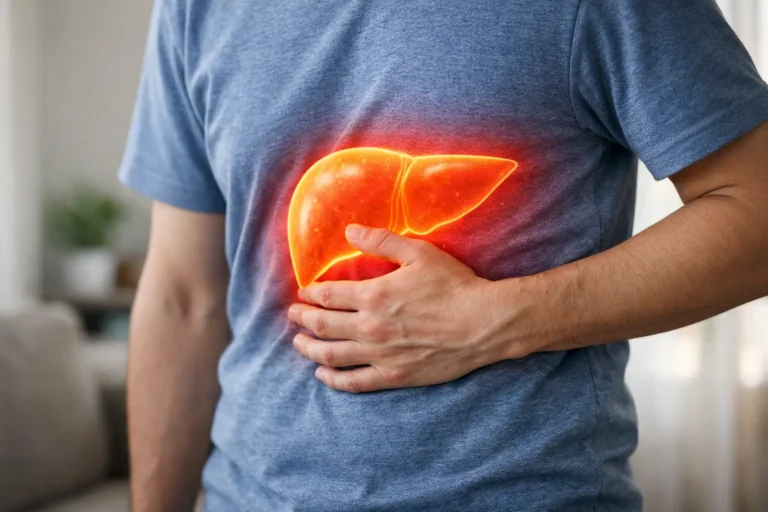

Most people think eating healthy food is enough. However, they ignore one critical factor—the right time to eat.
Even nutritious meals can harm your body if eaten at the wrong time. Your body runs on a biological clock. This clock controls digestion, metabolism, and energy levels.
So, if you often feel tired, bloated, or struggle with weight, your eating timing may be the real problem.
In this guide, you will learn the right time to eat, based on science, along with practical strategies to improve your health instantly.
Why the Right Time To Eat Is So Important
Your body follows a natural system called the circadian rhythm. It regulates when you feel hungry and how efficiently your body processes food.
When you follow the right time to eat:
- Your digestion improves
- Your metabolism becomes faster
- Your energy stays stable
On the other hand, poor timing leads to:
- Weight gain
- Indigestion
- Fatigue
- Hormonal imbalance
👉 Therefore, meal timing is just as important as food quality.
The Right Time To Eat (Daily Meal Schedule)
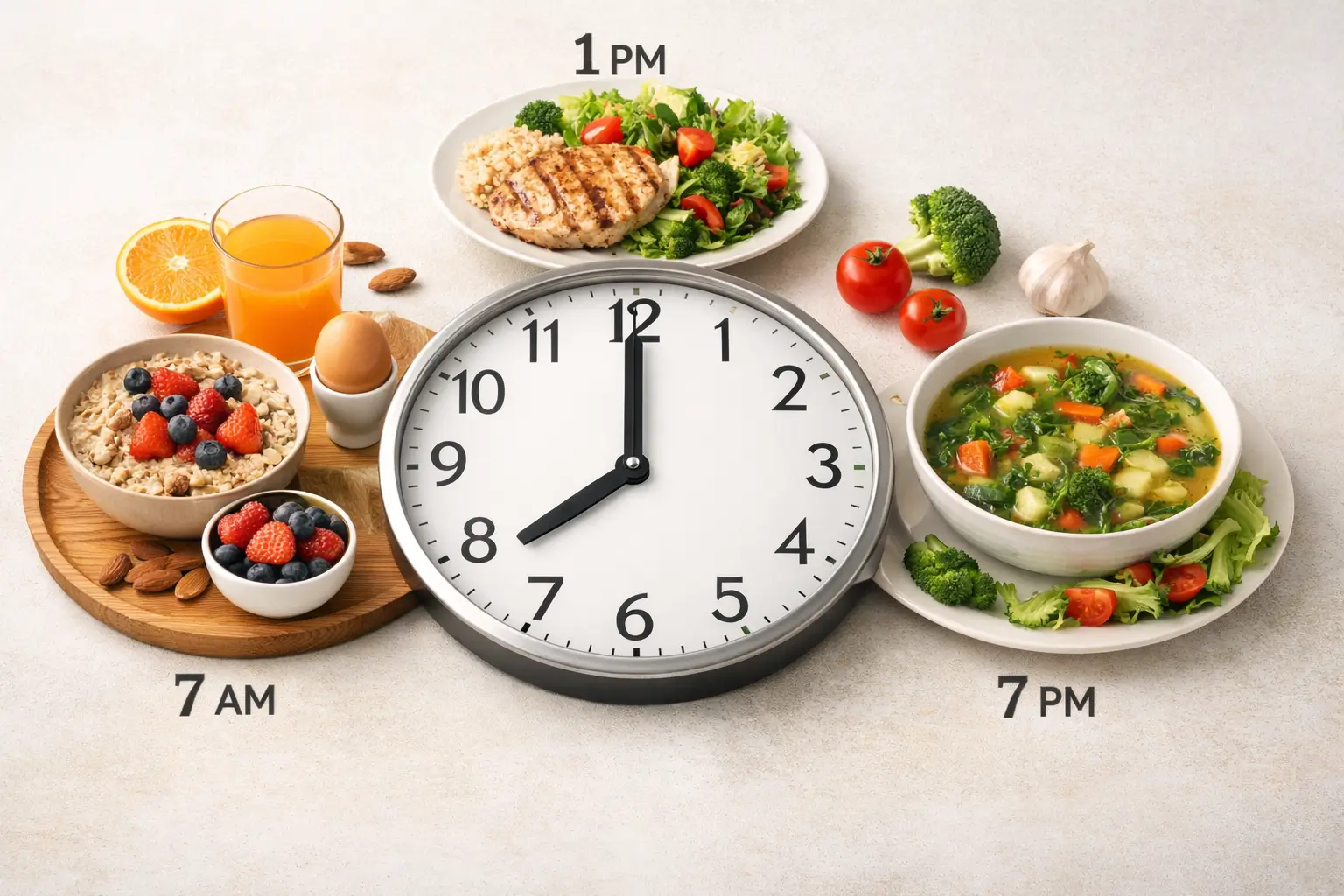
Breakfast: 7:00 AM – 9:00 AM
Breakfast should be eaten within one hour of waking.
Why it matters:
- Activates metabolism
- Improves concentration
- Reduces cravings later
Best foods:
- Eggs or paneer
- Whole grains like oats
- Fresh fruits
👉 Skipping breakfast slows fat burning and increases hunger later.
Lunch: 12:00 PM – 2:00 PM
Lunch should be your biggest meal.
Why:
- Digestive power is strongest
- Nutrient absorption is optimal
Ideal meal:
- Carbs (rice/roti)
- Protein (dal, chicken)
- Vegetables
👉 Eating too late can lead to energy crashes.
Evening Snack: 4:00 PM – 6:00 PM
This helps maintain energy levels.
Healthy options:
- Nuts
- Fruits
- Green tea
👉 Avoid fried snacks or sugary foods.
Dinner: 6:30 PM – 8:30 PM
Dinner should be light and early.
Why:
- Metabolism slows at night
- Late meals increase fat storage
Best dinner options:
- Soup
- Vegetables
- Light protein
👉 Always eat at least 2–3 hours before sleep.
Science Behind the Right Time To Eat
Scientific studies show that your body processes food differently throughout the day.
Key insights:
- Insulin sensitivity is highest in the morning
- Digestion peaks in the afternoon
- Night eating leads to fat storage
Additionally, late eating disrupts sleep cycles and hormone balance.
👉 Therefore, aligning your meals with your biological clock enhances overall health.
Right Time To Eat for Weight Loss
If your goal is weight loss, timing becomes even more crucial.
Follow these rules:
- Eat within a 10–12 hour window
- Avoid late-night eating
- Keep meal times consistent
Benefits:
- Improved fat burning
- Reduced calorie intake
- Better hormonal balance
👉 Even without dieting, correct timing can lead to weight loss.
Common Mistakes People Make
Many people unknowingly sabotage their health.
Avoid these mistakes:
- Skipping breakfast
- Eating heavy dinners
- Late-night snacking
- Irregular eating patterns
- Eating under stress
👉 These habits disrupt metabolism and digestion.
Expert Insight:
Consistency is more powerful than perfection. Eating at the same time daily trains your body to function efficiently.
👉 Start with fixed meal timings and adjust gradually.
Real-Life Example
Aman, a 35-year-old professional, struggled with fatigue and weight gain.
He changed only his timing:
- Breakfast at 8 AM
- Lunch at 1 PM
- Dinner before 8 PM
Within one month:
- He lost 3 kg
- His digestion improved
- Energy levels increased
👉 This proves the power of the right time to eat.
How to Build the Perfect Eating Routine
Start small and stay consistent.
Step-by-step:
- Fix your breakfast time
- Eat lunch at the same time daily
- Avoid late dinners
- Reduce random snacking
👉 Within weeks, your body adapts to the new schedule.
Foods You Should Avoid at Wrong Times
Timing affects how your body reacts to food.
| Food | Avoid Timing | Reason |
|---|---|---|
| Fruits | Late night | Causes acidity |
| Heavy meals | Night | Leads to fat storage |
| Coffee | Evening | Affects sleep |
| Sugary foods | Night | Spikes insulin |
👉 Smart timing improves digestion and energy.
Common Mistakes to Avoid
- Eating right before bed
- Skipping meals and overeating later
- Irregular meal timings
- Eating too fast
👉 Fixing these can instantly improve your health.
Quick Summary
- The right time to eat follows your body clock
- Breakfast: 7–9 AM
- Lunch: 12–2 PM
- Dinner: before 8:30 PM
- Avoid late-night eating
- Maintain consistency
👉 Small changes lead to big results.
This article is written based on practical dietary observations and current nutrition science. Over years of analyzing eating habits, one pattern stands out—timing plays a crucial role in health outcomes.
Many individuals improve digestion and energy simply by adjusting their eating schedule.
The truth is simple.
Your health depends not only on what you eat, but also on the right time to eat.
By aligning your meals with your body clock, you can:
- Boost energy
- Improve digestion
- Lose weight naturally
👉 Start today. Fix your meal timing and experience real change.
Disclaimer
This content is for informational purposes only. It does not replace medical advice. Always consult a healthcare professional before making dietary changes.