
Introduction: Why This Pain Shouldn’t Be Ignored
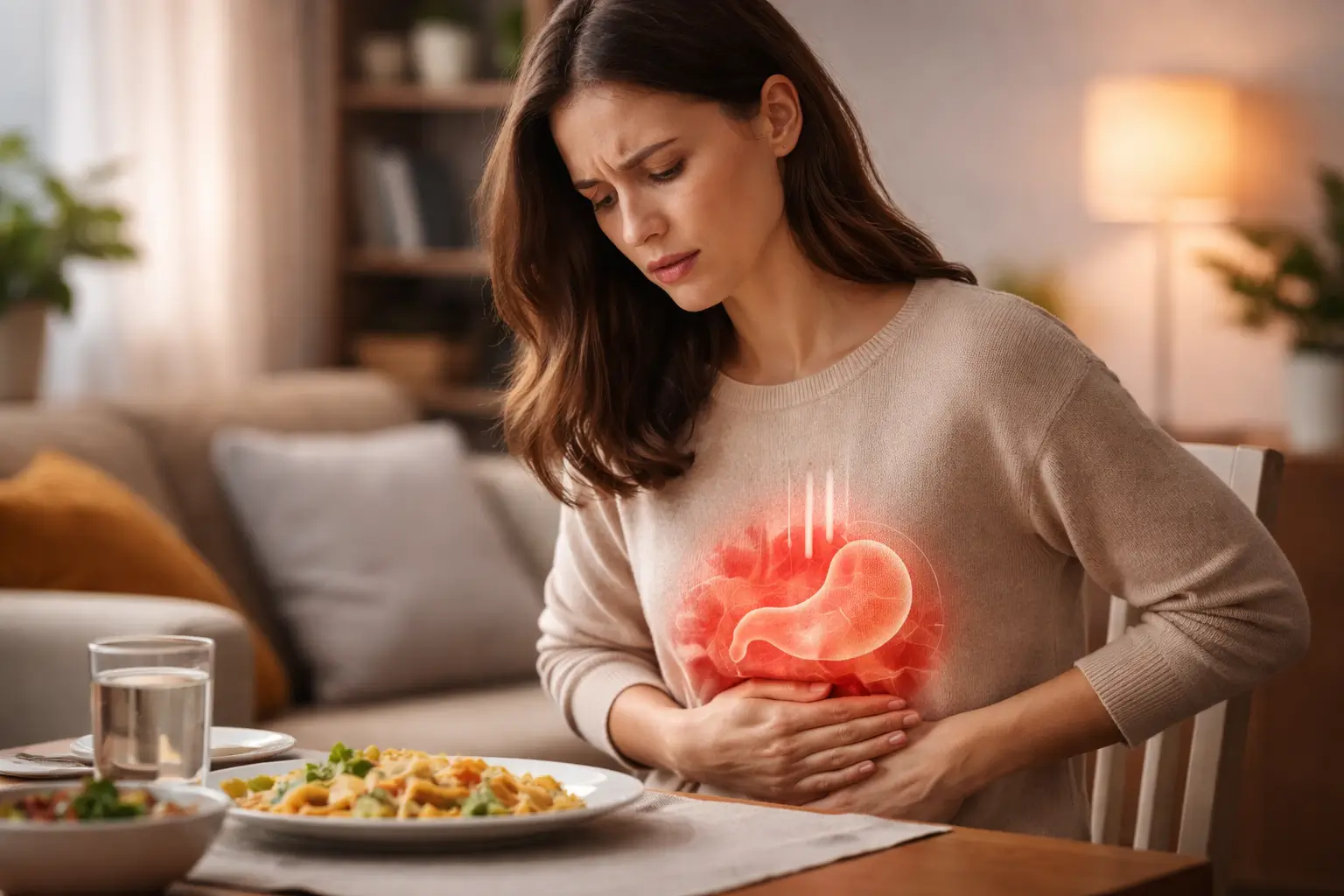
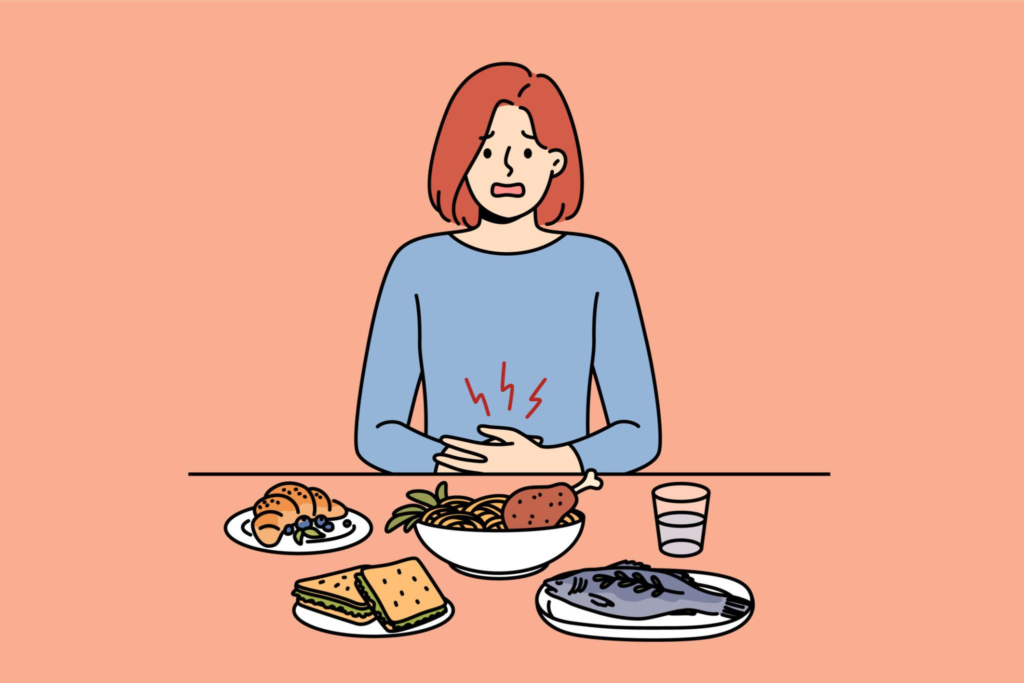
Pain over stomach after eating is one of the most common digestive complaints seen in clinics worldwide. Many people describe it as pressure, burning, heaviness, or sharp discomfort in the upper abdomen — especially above the belly button.
Sometimes it’s simple indigestion. Other times, it may signal acid reflux, gastritis, or even ulcers.
As a health-focused content specialist grounded in evidence-based digestive health research, I’ll walk you through what this pain really means, how to identify the cause, and when it deserves medical attention.
What Does “Pain Over Stomach After Eating” Mean?
Pain over stomach after eating refers to discomfort or tenderness in the upper abdominal (epigastric) region that develops during or shortly after meals. It may feel like burning, pressure, fullness, or cramping and is commonly linked to digestive conditions such as gastritis, acid reflux, ulcers, gas buildup, or overeating.
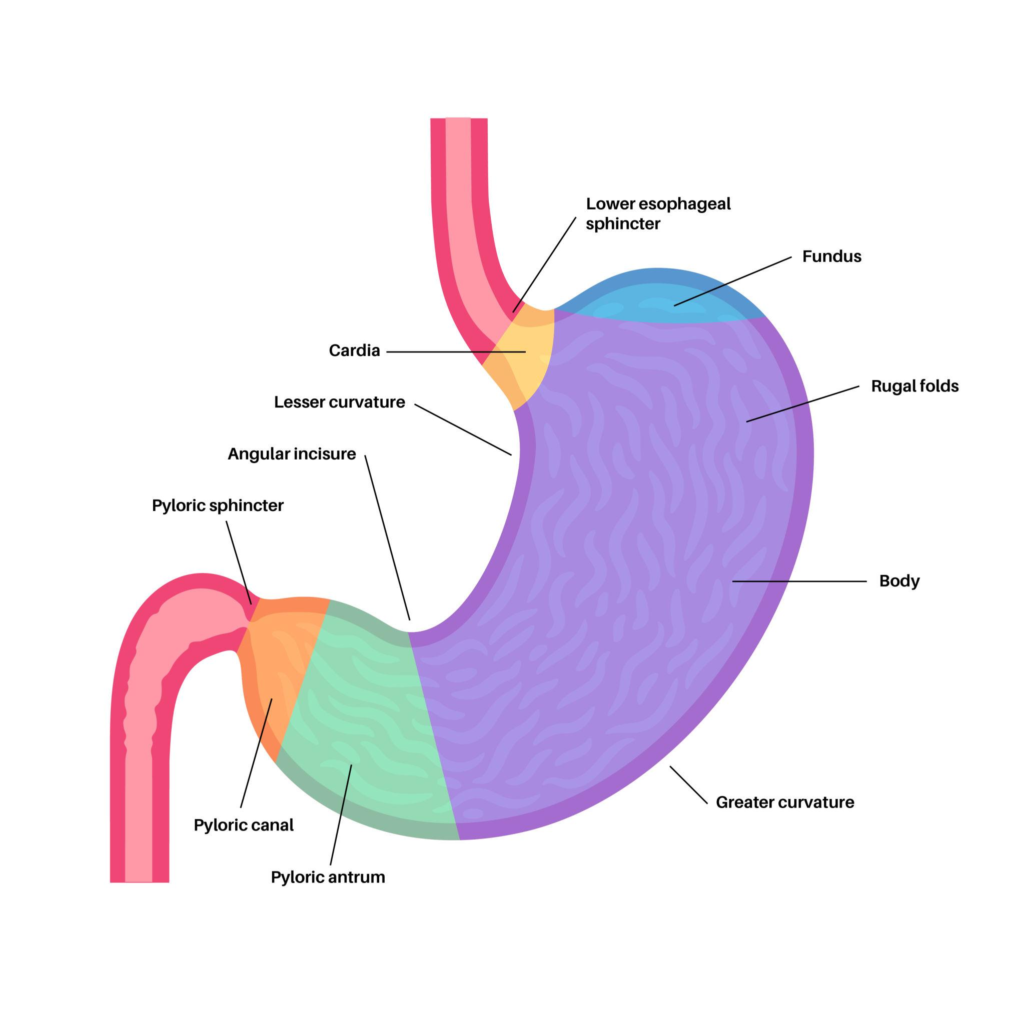
The “over stomach” area medically corresponds to the epigastric region, located between the ribcage and above the navel.
Understanding the Upper Abdominal Region
What Is the Epigastric Area?
The epigastric region is the upper central part of the abdomen. It houses:
- Stomach
- Part of the small intestine (duodenum)
- Pancreas
- Liver (partially)
- Gallbladder
Pain in this region after eating typically indicates a digestive response problem.
7 Possible Causes of Pain Over Stomach After Eating
Let’s examine each cause in detail.
1. Indigestion (Dyspepsia)
What It Is
Indigestion, medically called dyspepsia, is a collection of symptoms including upper stomach pain, bloating, nausea, and early fullness.
Why It Happens
It usually occurs when:
- You eat too quickly
- Overeat
- Consume spicy or fatty food
- Drink excessive caffeine
Symptoms
- Heaviness after meals
- Burning discomfort
- Mild upper abdominal pressure
Key Insight
Indigestion is common and often harmless. However, frequent episodes may require evaluation.
2. Acid Reflux (GERD)
What It Is
Acid reflux occurs when stomach acid flows back into the esophagus. Chronic reflux is called Gastroesophageal Reflux Disease (GERD).
Why It Causes Pain After Eating
After meals, the stomach produces acid. If the lower esophageal sphincter (LES) weakens, acid escapes upward, causing:
- Burning sensation
- Upper abdominal pain
- Chest discomfort
Warning Signs
- Sour taste in mouth
- Pain worse when lying down
- Night-time discomfort
Persistent reflux should not be ignored.
3. Gastritis (Stomach Lining Inflammation)
Definition
Gastritis is inflammation of the stomach lining.
Causes
- H. pylori infection
- Excess alcohol
- Long-term NSAID use
- Stress
Symptoms
- Burning pain over stomach after eating
- Nausea
- Feeling full quickly
Important Note
Gastritis pain often worsens immediately after meals because food stimulates acid production.
4. Peptic Ulcer Disease
What It Is
A peptic ulcer is an open sore in the stomach or upper small intestine.
How It Feels
- Sharp or gnawing pain
- Pain improves or worsens after eating (varies by ulcer type)
- Sometimes radiates to the back
Risk Factors
- H. pylori infection
- Smoking
- Long-term painkiller use
Ulcers require medical treatment and testing.
5. Gallbladder Issues
Though the pain feels like it’s “over the stomach,” sometimes it originates from the gallbladder.
Common Condition
Gallstones
Typical Pattern
- Pain after fatty meals
- Pain on right upper abdomen
- Nausea
This pain can mimic stomach discomfort.
6. Trapped Gas or Bloating
Why Gas Causes Pain
Gas forms during digestion. When trapped, it stretches the stomach walls.
Signs
- Pressure
- Tightness
- Visible bloating
Usually temporary and relieved by passing gas.
7. Overeating or Eating Too Fast
Mechanism
Large meals stretch the stomach beyond comfort.
This triggers:
- Upper abdominal pressure
- Mild cramping
- Sluggish digestion
Eating habits matter more than most people realize.
When Pain Over Stomach After Eating Becomes Serious
Seek medical help if you experience:
- Severe or worsening pain
- Vomiting blood
- Black stools
- Unexplained weight loss
- Persistent pain lasting weeks
These could indicate ulcers, bleeding, or other serious issues.
How Doctors Diagnose the Cause
Diagnostic Methods
- Physical examination
- Blood tests
- H. pylori testing
- Endoscopy
- Ultrasound
Proper diagnosis prevents self-medication errors.
How to Relieve Pain Over Stomach After Eating
Immediate Relief Strategies
- Sit upright after meals
- Avoid lying down for 2–3 hours
- Drink lukewarm water
- Avoid spicy, fatty foods
- Eat smaller portions
Long-Term Prevention Plan
- Maintain healthy weight
- Reduce caffeine and alcohol
- Manage stress
- Avoid NSAIDs when possible
- Eat slowly and mindfully
Consistency matters more than temporary fixes.
Quick Comparison Table
| Cause | Pain Type | Timing | Severity |
|---|---|---|---|
| Indigestion | Mild pressure | After heavy meals | Mild |
| Acid Reflux | Burning | After meals, lying down | Moderate |
| Gastritis | Burning, gnawing | Immediately after eating | Moderate |
| Ulcer | Sharp, deep | 1–3 hrs after meals | Moderate–Severe |
| Gas | Tightness | Anytime | Mild |
Pros & Cons of Ignoring Symptoms
Pros (Short-Term Only)
- Avoid doctor visit
- Temporary self-relief
Cons
- Delayed diagnosis
- Ulcer complications
- Chronic GERD damage
- Worsening inflammation
Ignoring persistent pain carries risk.
Frequently Asked Questions (FAQs)
1. Why do I feel pain over stomach after eating even small meals?
It may indicate gastritis, ulcer sensitivity, or acid reflux. Small amounts of food can still trigger acid production.
2. How long should pain over stomach after eating last?
Mild indigestion resolves within 1–2 hours. Persistent pain beyond a few days needs medical review.
3. Is upper stomach pain always related to acidity?
No. It can result from ulcers, gallbladder issues, gas, or muscle strain.
4. Can stress cause pain over stomach after eating?
Yes. Stress increases acid secretion and disrupts digestion.
5. When should I see a doctor?
If pain is severe, persistent, or associated with alarming symptoms like vomiting blood.
6. Can dehydration worsen upper stomach discomfort?
Yes. Dehydration may slow digestion and increase acid concentration.
Conclusion: Listen to Your Body
Pain over stomach after eating is not something to dismiss lightly. While indigestion is common, recurring discomfort may signal gastritis, acid reflux, or ulcers.
The key is pattern recognition.
If symptoms are occasional and mild, lifestyle adjustments often help. But persistent or worsening pain requires professional evaluation.
Your digestive system speaks — don’t ignore it.
Disclaimer
This article is for informational purposes only and does not replace professional medical advice. Consult a qualified healthcare provider for diagnosis and treatment.