
Natural Stress Relief Techniques That Help You Feel Calm and Balanced
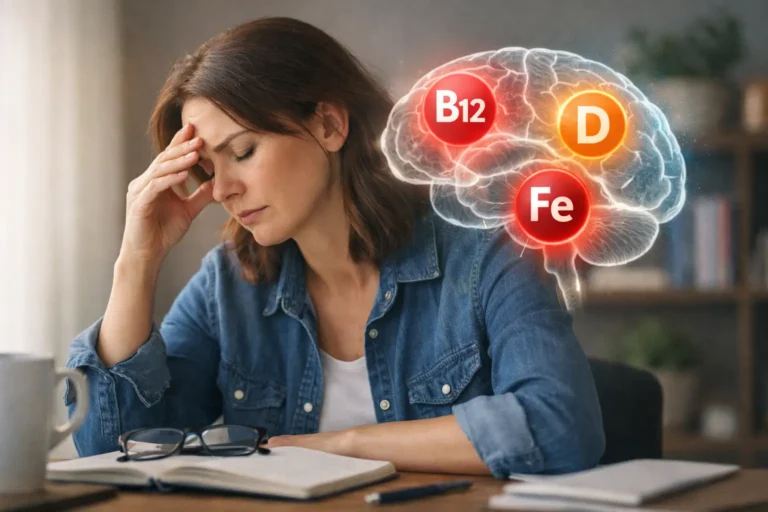
Stress has quietly become one of the most common health concerns in modern life. Long work hours, digital overload, financial pressure, and constant information can leave many people feeling overwhelmed.
Learning natural stress relief techniques can help restore balance without relying solely on medication. These methods focus on improving lifestyle habits, calming the nervous system, and strengthening emotional resilience.
Whether you are dealing with workplace pressure, academic stress, or everyday worries, adopting simple routines can help you reduce stress naturally at home and improve overall mental well-being.
Quick Answer: How Can You Reduce Stress Naturally?
The most effective natural stress relief techniques include:
- Deep breathing exercises
- Regular physical activity
- A consistent morning routine
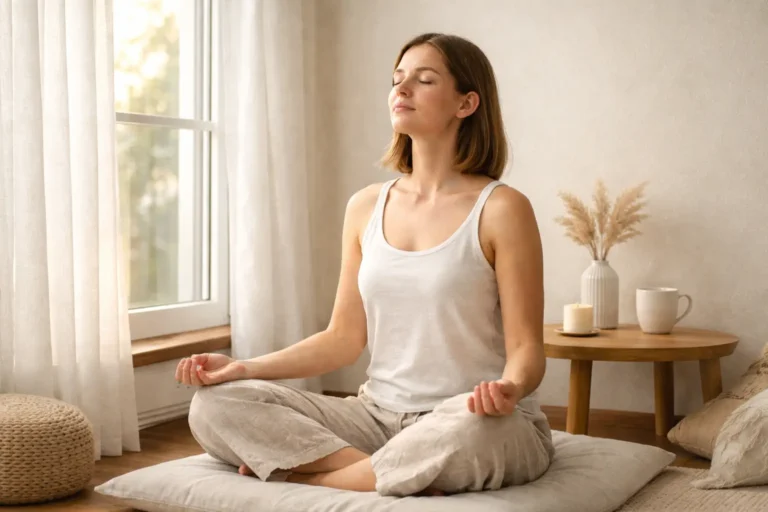
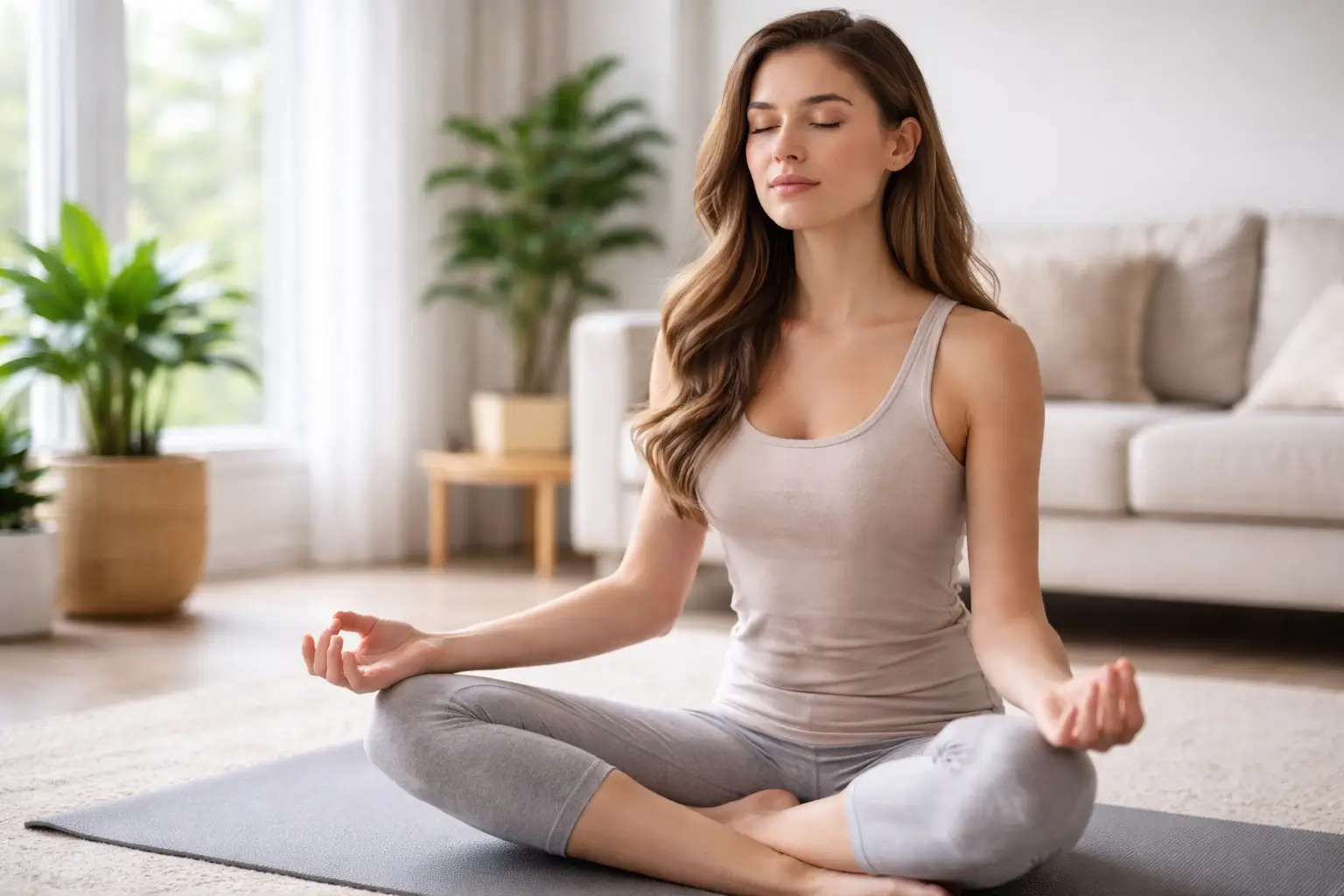
- Mindfulness or meditation
- Balanced nutrition
- Quality sleep
- Spending time outdoors
Combining these daily habits can significantly improve your ability to manage stress and maintain emotional balance.
Why Managing Stress Naturally Matters
Stress triggers the release of cortisol, the body’s primary stress hormone. In short bursts, this response helps you react to challenges. But when stress becomes chronic, it can affect both mental and physical health.
Long-term stress may contribute to:
- Poor sleep quality
- Fatigue and headaches
- Digestive problems
- Anxiety or mood changes
- Reduced concentration
Natural lifestyle-based strategies help regulate cortisol levels and support the body’s parasympathetic nervous system, which promotes relaxation.
Best Daily Habits for Stress Management
Healthy routines build resilience against everyday stress.
1. Maintain a Consistent Sleep Schedule
Sleep directly affects emotional stability.
Adults typically benefit from 7–9 hours of sleep per night. Poor sleep can increase cortisol levels and make it harder to manage daily stress.
Helpful habits include:
- Going to bed at the same time daily
- Limiting screen exposure before sleep
- Keeping the bedroom cool and quiet
2. Move Your Body Regularly
Exercise is one of the most effective natural stress relievers.
Physical activity helps release endorphins, which are chemicals that improve mood.
Good options include:
- Walking or jogging
- Yoga or stretching
- Cycling
- Strength training
Even 20–30 minutes of movement daily can help reduce tension and improve mental clarity.
3. Practice Mindfulness
Mindfulness helps train the brain to focus on the present moment.
Regular mindfulness practices may help:
- Reduce anxious thinking
- Improve emotional awareness
- Promote relaxation
Simple methods include meditation, journaling, or quiet breathing sessions.
Best Breathing Exercises for Stress Relief
Breathing exercises are one of the fastest natural stress relief techniques that work fast because they calm the nervous system.
Box Breathing
Often used by athletes and professionals to stay calm under pressure.
Steps:
- Inhale for 4 seconds
- Hold breath for 4 seconds
- Exhale for 4 seconds
- Hold again for 4 seconds
Repeat for several cycles.
4-7-8 Breathing Technique
This method helps relax the body quickly.
Steps:
- Inhale for 4 seconds
- Hold breath for 7 seconds
- Exhale slowly for 8 seconds
Practicing this exercise before bed may help improve sleep and reduce anxiety.
Diaphragmatic Breathing
Also called belly breathing, this technique activates the body’s relaxation response.
Steps:
- Sit comfortably
- Place one hand on the chest and one on the abdomen
- Breathe deeply through the nose so the abdomen expands
Practice for 5–10 minutes daily.
Morning Routine for a Stress-Free Day
Starting the day intentionally can influence your mood for hours.
A simple morning routine for stress free day might include:
| Activity | Benefit |
|---|---|
| Hydration | Supports brain function |
| Light stretching | Improves circulation |
| 5–10 minutes meditation | Reduces mental tension |
| Healthy breakfast | Stabilizes energy levels |
| Short walk or sunlight exposure | Regulates circadian rhythm |
Morning routines help create a sense of control and stability before daily demands begin.
Foods That Help Reduce Stress and Anxiety
Nutrition plays an important role in emotional well-being.
Certain nutrients support brain health and regulate stress hormones.
Foods That Support Stress Reduction
| Food | Key Nutrients | Benefit |
|---|---|---|
| Dark leafy greens | Magnesium | Supports relaxation |
| Nuts and seeds | Healthy fats | Improve brain function |
| Fatty fish | Omega-3 | Reduce inflammation |
| Yogurt | Probiotics | Gut-brain health |
| Whole grains | Complex carbs | Stabilize energy |
These foods can help support mood stability and improve resilience to stress.
Natural Stress Relief Techniques That Work Fast
Some strategies can help calm the body within minutes.
Take a Short Walk
Walking helps release tension and improve mood.
Even a 10-minute walk outdoors can reduce stress and improve focus.
Spend Time in Nature
Research shows that time in natural environments may lower cortisol levels.
Activities like gardening, park walks, or outdoor exercise can help restore mental balance.
Limit Digital Overload
Constant notifications and social media exposure can increase stress.
Helpful habits include:
- Scheduled screen breaks
- Digital detox hours in the evening
- Turning off unnecessary notifications
Expert Insight
Mental health specialists often emphasize that stress management is not about eliminating stress completely. Instead, it involves building healthy coping strategies.
Psychologists recommend combining:
- Lifestyle adjustments
- Emotional awareness
- Mindfulness practices
- Healthy routines
These methods help improve long-term resilience rather than providing only temporary relief.
Bottom Line
Stress is a normal part of life, but chronic stress can affect overall well-being.
The most effective natural stress relief techniques involve consistent daily habits such as exercise, mindful breathing, proper sleep, balanced nutrition, and structured routines.
Small lifestyle changes practiced consistently often produce the most meaningful improvements in emotional health.
Frequently Asked Questions
What is the fastest natural way to reduce stress?
Breathing exercises such as box breathing or diaphragmatic breathing can calm the nervous system within minutes.
Can food help reduce stress levels?
Yes. Foods rich in magnesium, omega-3 fatty acids, and probiotics may support brain health and help regulate stress responses.
How can I reduce stress naturally at home?
Practices like meditation, regular exercise, healthy eating, and maintaining a structured daily routine can help reduce stress naturally.
Do breathing exercises really help with anxiety?
Yes. Controlled breathing activates the parasympathetic nervous system, which promotes relaxation and lowers heart rate.
What daily habits help manage stress?
Healthy sleep patterns, physical activity, mindfulness, and balanced nutrition are among the most effective habits for stress management.
Is morning routine important for stress control?
Yes. A consistent morning routine can improve mental clarity and prepare the mind for daily challenges.
Disclaimer
This article is intended for informational purposes only and does not replace professional medical advice. Individuals experiencing severe or persistent stress, anxiety, or mental health conditions should consult a qualified healthcare professional.