
Mudras are ancient hand gestures used in yoga and meditation to influence the body’s energy flow. Practiced for thousands of years in Ayurveda and yogic traditions, mudras are believed to help balance internal energy and promote overall health.
The word mudra comes from Sanskrit and means “seal” or “gesture.” These hand positions are thought to guide prana (life energy) throughout the body.
Today, many people are rediscovering mudras as a simple natural wellness practice. Unlike complex yoga poses, mudras can be practiced almost anywhere — while sitting, meditating, or even during daily activities.
What Are Mudras?
Mudras are specific hand positions used in yoga and meditation to influence energy pathways in the body.
According to yogic philosophy, the human body contains five elements:
- Fire
- Air
- Space
- Earth
- Water
Each finger represents one of these elements. By touching certain fingers together, mudras are believed to balance these elements and restore harmony in the body.
The Science Behind Mudras
Although mudras originate from spiritual traditions, modern researchers are exploring their potential physiological effects.
Possible explanations include:
• Activation of nerve endings
• Improved focus during meditation
• Enhanced breathing patterns
• Mind-body relaxation
Mudras may also stimulate acupressure points in the hands, influencing different organs and systems.
Top 7 Mudras for Health
1. Gyan Mudra (Knowledge Mudra)
How to do it:
Touch the tip of the index finger to the thumb while keeping other fingers straight.
Benefits:
- Improves concentration
- Supports meditation
- Reduces stress
2. Prana Mudra (Energy Mudra)
This mudra activates the body’s vital energy.
Benefits include:
- Boosts energy
- Strengthens immunity
- Improves vitality
3. Apana Mudra (Detox Mudra)
Apana mudra supports detoxification and digestion.
Benefits:
- Improves digestion
- Supports detox processes
- Promotes elimination of toxins
4. Surya Mudra (Fire Mudra)
This mudra represents the fire element.
Potential benefits:
- Supports metabolism
- Helps with weight management
- Improves body heat regulation
5. Vayu Mudra (Air Mudra)
Vayu mudra helps regulate the air element in the body.
Benefits:
- May reduce joint discomfort
- Helps calm nervous energy
6. Varun Mudra (Water Mudra)
This mudra balances the water element.
Benefits:
- Improves skin hydration
- Supports blood circulation
7. Chin Mudra
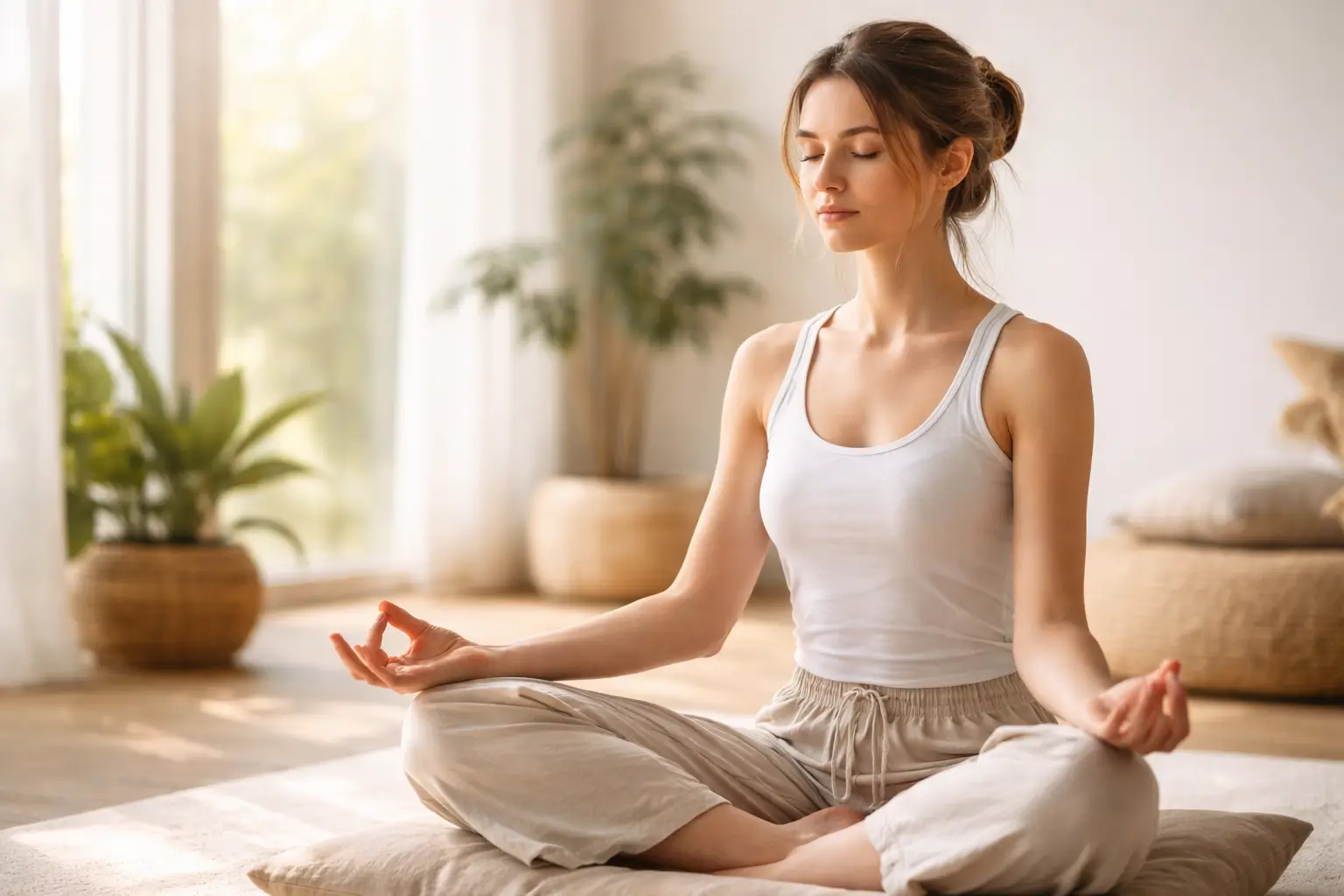
A classic meditation mudra used in yoga and mindfulness practices.
Benefits:
- Enhances meditation
- Promotes relaxation
Step-by-Step Guide to Practicing Mudras
Duration
Most yoga experts recommend:
15–45 minutes daily
However, beginners can start with 10 minutes.
Best Time to Practice
Mudras are most effective when practiced:
- During meditation
- Early morning
- In a relaxed sitting posture
Breathing Technique
Combine mudras with slow deep breathing to improve focus and relaxation.
Common Mistakes
Avoid these mistakes:
• Practicing with excessive pressure
• Inconsistent practice
• Ignoring breathing patterns
• Expecting instant results
Mudras work best with regular practice.
Pro Tips
• Practice mudras during meditation
• Stay consistent for at least 3–4 weeks
• Combine with yoga and healthy lifestyle
Scientific Research
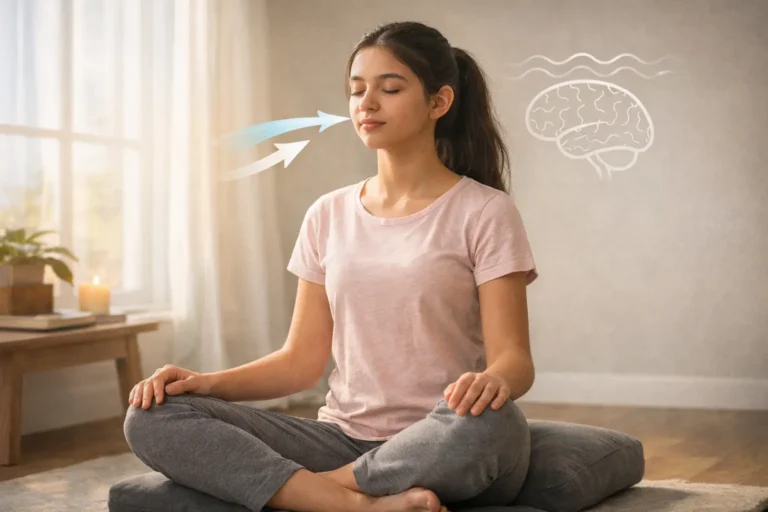
Some studies suggest that hand positions used in meditation may influence brain activity and relaxation responses.
However, more scientific research is needed to fully understand the mechanisms behind mudras.
Real Life Example
Many yoga practitioners report benefits such as:
- Reduced stress
- Better focus
- Improved mental clarity
Although results vary, mudras are widely considered safe and easy to practice.
Conclusion
Mudras are a simple yet powerful part of ancient yoga traditions. These hand gestures may help support energy balance, relaxation, and overall wellness.
By practicing mudras regularly along with meditation and healthy habits, you may experience improved mental clarity, calmness, and vitality.
Disclaimer
This article is for informational purposes only and does not replace professional medical advice.
Expert Tip
Yoga experts recommend practicing mudras with deep breathing and meditation for the best results.
This article is written using insights from yoga traditions, wellness research, and meditation practices.