
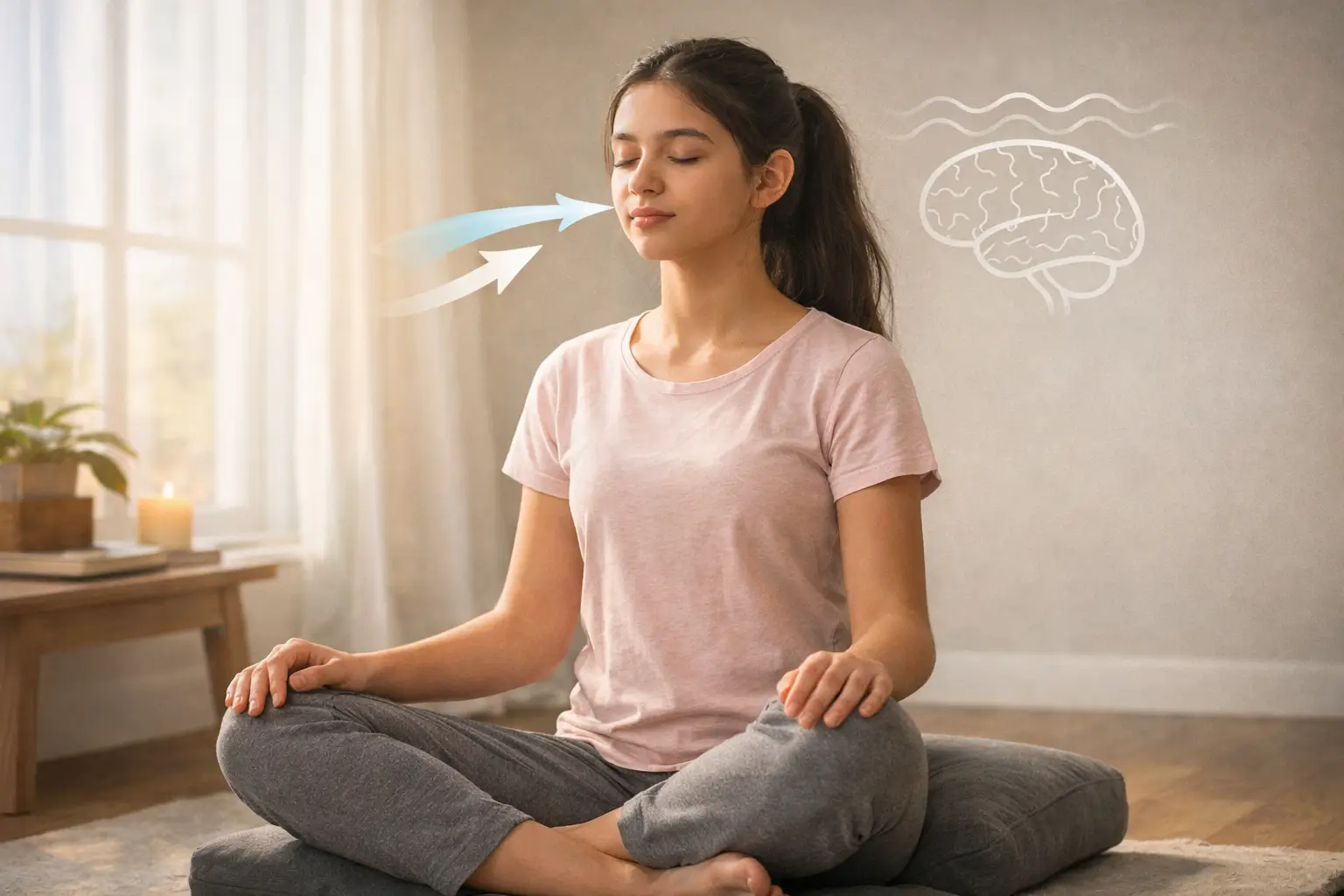

Modern life rarely slows down. Notifications, deadlines, and constant mental chatter can make calm feel distant. That is exactly why learning mindfulness meditation techniques step by step is not just helpful — it is practical self-care grounded in neuroscience and ancient wisdom.
As a long-time practitioner and researcher of contemplative practices, I have seen how structured mindfulness transforms focus, stress tolerance, and emotional clarity. This guide will walk you through everything in a clear, evidence-based way, without exaggeration or mysticism.
What Is Mindfulness Meditation?
Mindfulness meditation is a structured mental training practice that involves intentionally paying attention to the present moment — including thoughts, sensations, and emotions — without judgment or reaction.
It strengthens awareness, emotional regulation, and cognitive control through repeated focus and gentle redirection.
In simple terms: you learn to observe your mind instead of being controlled by it.
Why Daily Calm Requires Structure
Many people say, “I tried meditation, but my mind wouldn’t stop.” That is normal. The mind produces thoughts just as the lungs breathe air.
The goal of mindfulness meditation techniques step by step is not to stop thinking. It is to:
- Notice thoughts
- Avoid reacting automatically
- Return attention gently
- Build mental stability over time
Consistency matters more than intensity.
The Science Behind Mindfulness Meditation
Research in neuroscience shows that regular mindfulness practice may:
- Improve activity in the prefrontal cortex (focus & decision-making)
- Reduce amygdala reactivity (stress response)
- Support parasympathetic nervous system activation
- Improve heart rate variability
- Reduce cortisol levels over time
This is why mindfulness meditation is often recommended as part of stress management and emotional resilience programs.
Mindfulness Meditation Techniques Step by Step: The Complete Daily Practice
Below is a practical, beginner-friendly structure you can follow every day.
Step 1: Prepare Your Environment
You do not need incense, music, or a special cushion. What you need is minimal distraction.
Choose:
- A quiet room
- A stable chair or floor cushion
- 5–15 minutes of uninterrupted time
Silence your phone.
Consistency of place helps condition your brain to relax more quickly.
Step 2: Choose a Stable Posture
Posture affects alertness.
You may:
- Sit upright in a chair (feet flat on floor)
- Sit cross-legged on the floor
- Keep spine straight but not rigid
- Rest hands gently on thighs
Avoid lying down if you tend to fall asleep.
Posture signals to the brain: “This is intentional awareness time.”
Step 3: Set a Clear Intention
Before beginning, mentally state:
“I am practicing awareness for the next 10 minutes.”
This small intention improves adherence and focus.
Step 4: Begin with Breath Awareness
This is the foundation of most mindfulness meditation techniques step by step.
Focus on:
- The sensation of air entering nostrils
- The rise and fall of the chest
- The expansion of the abdomen
Do not control the breath. Observe it naturally.
If helpful, silently count:
- Inhale (1)
- Exhale (2)
Up to 10, then restart.
Step 5: Notice Distractions Without Judgment
Your mind will wander. That is expected.
When you notice:
- Planning
- Worrying
- Daydreaming
- Replaying conversations
Gently say internally: “Thinking.”
Then return to breath.
No frustration. No self-criticism.
This redirection strengthens attentional control.
Step 6: Expand Awareness to the Body
After 5 minutes of breath focus, widen attention.
Notice:
- Tension in shoulders
- Facial muscles
- Jaw tightness
- Body temperature
This is called body scanning.
It improves interoception — your awareness of internal sensations.
Step 7: Observe Emotions as Sensations
Instead of labeling emotions as good or bad, observe:
- Where do I feel this?
- Is it tight, warm, heavy?
- Does it shift?
This technique reduces emotional reactivity over time.
Step 8: Close with Reflection
Before ending, take 3 slow breaths.
Ask:
- How do I feel now?
- What changed?
- What stayed the same?
This strengthens self-awareness and pattern recognition.
A 10-Minute Daily Structure Table
| Minute | Practice Focus |
|---|---|
| 0–1 | Set intention |
| 1–5 | Breath awareness |
| 5–8 | Body scan |
| 8–9 | Emotional observation |
| 9–10 | Reflection & closure |
This structure makes mindfulness meditation techniques step by step practical and repeatable.
Common Mistakes Beginners Make
Trying to Eliminate Thoughts
Meditation is not mental silence. It is awareness training.
Practicing Inconsistently
Daily 10 minutes is better than 1 hour once a week.
Judging Performance
There is no “good” or “bad” session.
Multitasking Meditation
Avoid combining meditation with social media or background shows.
Benefits of Practicing Daily
With consistent practice, you may notice:
- Reduced stress reactivity
- Improved concentration
- Better sleep quality
- Increased emotional clarity
- Improved patience
- Reduced overthinking
Results build gradually over weeks, not overnight.
Advanced Variations of Mindfulness Meditation
Once you are comfortable with basics, you can explore:
Walking Meditation
Focus on each step sensation.
Loving-Kindness Meditation
Silently repeat phrases like:
“May I be safe. May others be well.”
Open Monitoring Meditation
Observe all thoughts and sensations without a single anchor.
These expand emotional intelligence and compassion.
Who Should Be Cautious?
While mindfulness is generally safe, individuals with:
- Severe trauma history
- Untreated PTSD
- Acute psychiatric conditions
Should consult a licensed mental health professional before intensive practice.
Meditation supports mental health but is not a replacement for medical treatment.
Pros and Cons of Mindfulness Meditation
Pros
- Low cost
- Accessible anywhere
- Scientifically supported
- Improves emotional regulation
Cons
- Requires consistency
- Initial restlessness
- Not a quick fix
- May surface suppressed emotions
Understanding both sides builds realistic expectations.
How Long Before You See Results?
Most people report subtle improvements in:
- 2 weeks (awareness)
- 4 weeks (emotional regulation)
- 8 weeks (stress response changes)
Structured programs often run 8 weeks for this reason.
Frequently Asked Questions
How long should beginners meditate daily?
Start with 5–10 minutes. Gradually increase to 15–20 minutes as comfort builds.
Can mindfulness meditation reduce anxiety?
It can support anxiety management by improving emotional regulation and reducing stress reactivity. It should complement professional care when needed.
Is guided meditation better than silent practice?
Guided sessions help beginners. Silent practice builds independence.
What is the best time to meditate?
Morning builds consistency. Evening helps relaxation. Choose what fits your routine.
Can I meditate lying down?
Yes, but you may fall asleep. Sitting posture improves alertness.
Do I need special tools?
No. A quiet space and timer are enough.
What if my mind is too restless?
Restlessness is part of training. The practice is returning attention gently.
Key Takeaways
- Mindfulness meditation is awareness training.
- Daily consistency matters more than session length.
- Thoughts are normal — redirection is the practice.
- Benefits accumulate gradually.
- Structure prevents confusion.
Conclusion: Start Small, Stay Consistent
Daily calm is not found in escaping life. It is cultivated by training attention. By following mindfulness meditation techniques step by step, you build a reliable internal anchor.
Start today with 10 minutes. Repeat tomorrow.
Consistency creates clarity.
If you found this guide helpful, consider sharing it or bookmarking it for your daily routine.
Disclaimer
This article is for educational purposes only and does not replace professional medical or psychological advice. If you have a medical or mental health condition, consult a qualified healthcare provider before beginning any new practice.