
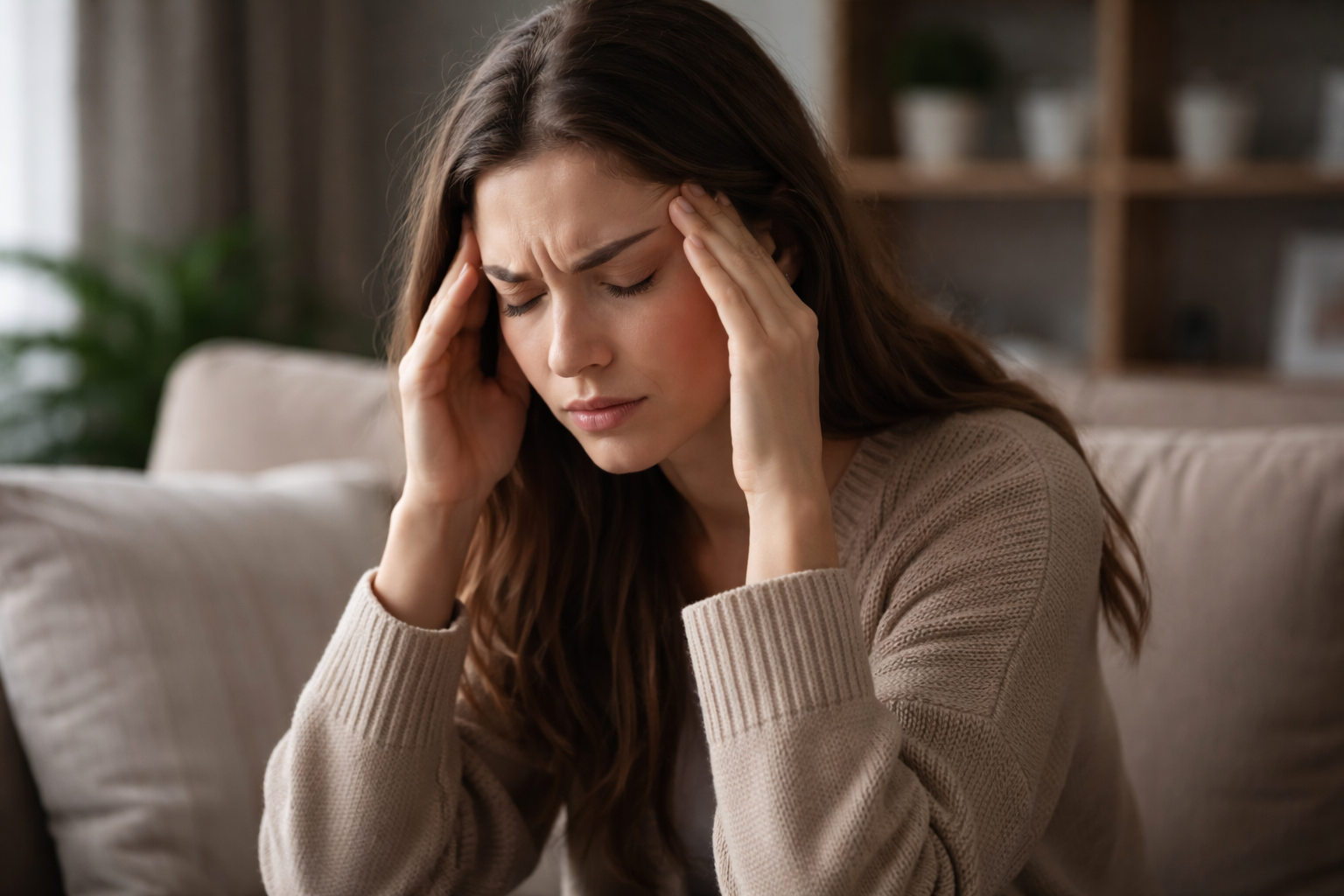

Migraine: Causes, Symptoms, Triggers and Proven Relief Strategies
Migraines are not just ordinary headaches. They are a complex neurological condition that can cause intense throbbing pain, nausea, and extreme sensitivity to light or sound.
According to global health studies, over 1 billion people suffer from migraines worldwide, making it one of the most common neurological disorders.
For many people, migraines can last for hours or even days, affecting work, sleep, and daily life.
Understanding the causes, triggers, and relief methods can significantly reduce the frequency and intensity of migraine attacks.
What Exactly Is a Migraine?
A migraine is a neurological disorder involving abnormal brain activity that temporarily affects nerve signals, blood vessels, and brain chemicals.
Unlike regular headaches, migraines typically cause:
• Pulsating pain
• Sensitivity to light
• Nausea
• Vision disturbances
Difference Between Migraine and Regular Headache
| Feature | Migraine | Regular Headache |
|---|---|---|
| Pain type | Pulsating | Dull pressure |
| Duration | Hours–days | Minutes–hours |
| Symptoms | Nausea, aura | Rare |
| Sensitivity | Light & sound | Minimal |
Common Migraine Symptoms
Symptoms usually occur in four stages.
1. Prodrome Stage
Early warning signs:
• Mood changes
• Food cravings
• Fatigue
• Neck stiffness
2. Aura Stage
About 25% of migraine sufferers experience aura.
Symptoms include:
• Visual flashes
• Zigzag lines
• Temporary vision loss
3. Attack Stage
This is the most painful stage.
Common symptoms:
• Severe throbbing pain
• Sensitivity to light
• Vomiting
• Dizziness
4. Postdrome Stage
After the migraine attack ends, people often feel:
• Exhaustion
• Brain fog
• Weakness
12 Hidden Migraine Triggers
Many people unknowingly trigger migraines through daily habits.
1. Dehydration
Even mild dehydration can trigger migraines.
2. Poor Sleep Patterns
Sleeping too little or too much can disturb brain chemicals.
3. Screen Exposure
Blue light from devices can trigger migraines in sensitive individuals.
4. Stress
Stress releases cortisol, which affects brain blood vessels.
5. Skipping Meals
Low blood sugar is a common migraine trigger.
6. Strong Smells
Perfumes, smoke, and chemicals may activate migraine pathways.
7. Hormonal Changes
Migraines are more common in women due to estrogen fluctuations.
8. Weather Changes
Barometric pressure changes can affect blood vessels.
9. Certain Foods
Common triggers include:
• Aged cheese
• Chocolate
• Alcohol
• Processed meats
10. Caffeine Overuse
Too much caffeine may trigger headaches.
11. Poor Posture
Neck tension can contribute to migraine development.
12. Bright Lights
Strong lighting or sunlight may initiate migraine attacks.
Step-by-Step Migraine Relief Guide
Immediate Relief Methods
When a migraine starts:
• Rest in a dark quiet room
• Drink water
• Apply cold compress
• Avoid screens
Natural Remedies
Research suggests these may help:
• Magnesium supplements
• Ginger tea
• Peppermint oil
• Yoga breathing
Medical Treatments
Doctors may recommend:
• Triptans
• Pain relievers
• Preventive medications
Lifestyle Changes That Prevent Migraines
Preventing migraines often involves simple lifestyle changes.
Key strategies:
• Maintain consistent sleep schedule
• Stay hydrated
• Reduce stress
• Limit processed foods
• Exercise regularly
Common Mistakes Migraine Patients Make
• Ignoring early warning signs
• Overusing pain medication
• Skipping meals
• Poor sleep habits
Expert Neurologist Tips
Neurologists recommend tracking migraines in a headache diary.
Track:
• Sleep patterns
• Food intake
• Stress levels
• Weather changes
This helps identify personal triggers.
Migraine Statistics
Research shows:
• 75% of migraine sufferers are women
• 1 in 7 people experience migraines
• Migraine is a leading cause of disability globally
Conclusion
Migraines can significantly impact quality of life, but understanding their causes and triggers can make a huge difference.
With proper lifestyle adjustments, medical treatment, and trigger management, many people can successfully reduce migraine frequency and severity.
Disclaimer
This article is for informational purposes only and does not replace professional medical advice. Consult a qualified healthcare provider for diagnosis or treatment.



Thank you for this detailed and practical guide! The 12 hidden migraine triggers section is eye-opening especially that even mild dehydration, skipping meals, and poor posture can trigger attacks. The lifestyle changes for prevention (consistent sleep, hydration, stress reduction, limiting processed foods, regular exercise) are simple but powerful. The comparison table between migraines and regular headaches is very helpful. This is valuable information for anyone wanting to understand and manage their migraines better. Keep writing and educating us!
Low price medical tests in Hyderabad