
7 Silent Signs Your Liver Is in Danger (Don’t Ignore)
Your liver is one of the most vital organs in your body. It quietly works 24/7—filtering toxins, aiding digestion, and regulating metabolism.
But here’s the alarming part:
Liver problems often develop silently.
Most people don’t notice symptoms until the condition becomes serious. Recognizing early warning signs can literally save your life.
Let’s break it down in a clear, practical way.
What is Liver Problem Symptoms?
Liver problem symptoms are physical and internal signs that indicate your liver is not functioning properly.
These symptoms can arise due to:
- Fatty liver disease
- Hepatitis infections
- Alcohol damage
- Cirrhosis
- Toxin overload
The liver has a high capacity for regeneration, but when damage exceeds repair, symptoms begin to appear.
Why It Is Important Today
Modern lifestyle is putting your liver under constant stress.
Key reasons:
- Processed food consumption
- Alcohol intake
- Obesity and sedentary lifestyle
- Pollution and toxins
India is seeing a rise in non-alcoholic fatty liver disease (NAFLD) even among young adults.
Ignoring symptoms today can lead to:
- Liver failure
- Cancer
- Life-threatening complications
Benefits / Key Insights
Understanding liver symptoms helps you:
✔ Detect problems early
✔ Prevent severe damage
✔ Improve lifestyle habits
✔ Avoid costly treatments
✔ Increase lifespan
Step-by-Step Guide: Key Symptoms of Liver Problems
1. Persistent Fatigue
Feeling tired all the time—even after rest—is one of the earliest signs.
Why it happens:
- Toxin buildup in blood
- Poor metabolism
2. Yellowing of Skin and Eyes (Jaundice)
A classic symptom.
Cause:
- Increased bilirubin levels
3. Abdominal Pain and Swelling
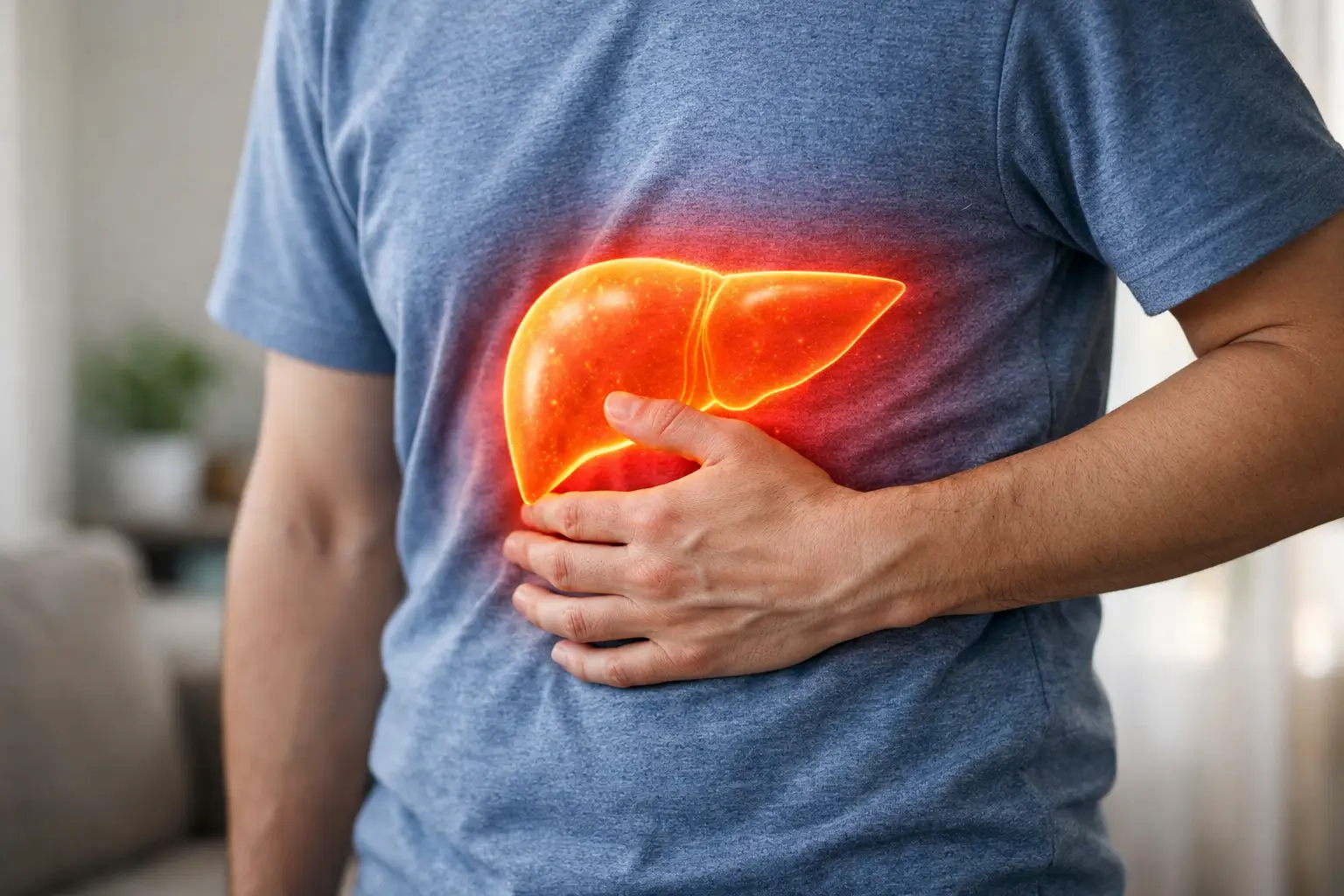
Pain in the upper right abdomen is a strong indicator.
Also:
- Fluid buildup (ascites)
- Bloating
4. Dark Urine & Pale Stool
Changes in body waste are important signals.
- Dark urine → excess bilirubin
- Pale stool → bile flow issues
5. Itchy Skin (Without Rash)
Chronic itching can be linked to liver dysfunction.
Reason:
- Bile salts accumulating under skin
6. Nausea & Loss of Appetite
Digestive issues often appear early.
Symptoms:
- Vomiting
- Food aversion
- Weight loss
7. Easy Bruising or Bleeding
Your liver produces clotting proteins.
Damage leads to:
- Frequent bruising
- Bleeding gums
8. Swelling in Legs & Ankles
Fluid retention due to poor liver function.
9. Mental Confusion (Brain Fog)
Advanced cases may cause:
- Memory issues
- Confusion
- Poor concentration
Expert Tips
🔍 Expert Insight Box
- Drink enough water daily
- Avoid excessive alcohol
- Maintain a balanced diet
- Get liver function tests annually
- Exercise regularly
Common Mistakes
❌ Ignoring mild symptoms
❌ Self-medicating
❌ Following detox fads blindly
❌ Skipping health checkups
❌ Overconsuming junk food
Real-Life Examples
Case 1:
A 35-year-old office worker ignored fatigue for months. Later diagnosed with fatty liver.
Case 2:
A young adult noticed yellow eyes but delayed checkup → hepatitis detected late.
Lesson:
Early action matters.
Future Trends
Healthcare is evolving:
- AI-based early diagnosis
- Wearable health tracking
- Personalized nutrition plans
- Preventive liver screening
Conclusion
Your liver doesn’t complain loudly—it whispers.
Symptoms like fatigue, yellowing skin, or digestive issues may seem minor, but they can indicate serious problems.
Listen to your body early. Act early. Stay healthy.
FAQ
1. What are the first signs of liver problems?
Fatigue, nausea, and mild abdominal discomfort are early signs.
2. Can liver damage be reversed?
Yes, early-stage damage like fatty liver can often be reversed with lifestyle changes.
3. What color is urine in liver disease?
Dark yellow or brown urine is common.
4. How do I check liver health at home?
Watch for symptoms, but blood tests are required for confirmation.
5. Is itching a sign of liver problems?
Yes, chronic itching without rash can indicate liver issues.
6. When should I see a doctor?
If symptoms persist for more than a few days, consult a doctor immediately.
DISCLAIMER
This content is for informational purposes only and does not replace professional medical advice. Always consult a qualified healthcare provider for diagnosis or treatment.