
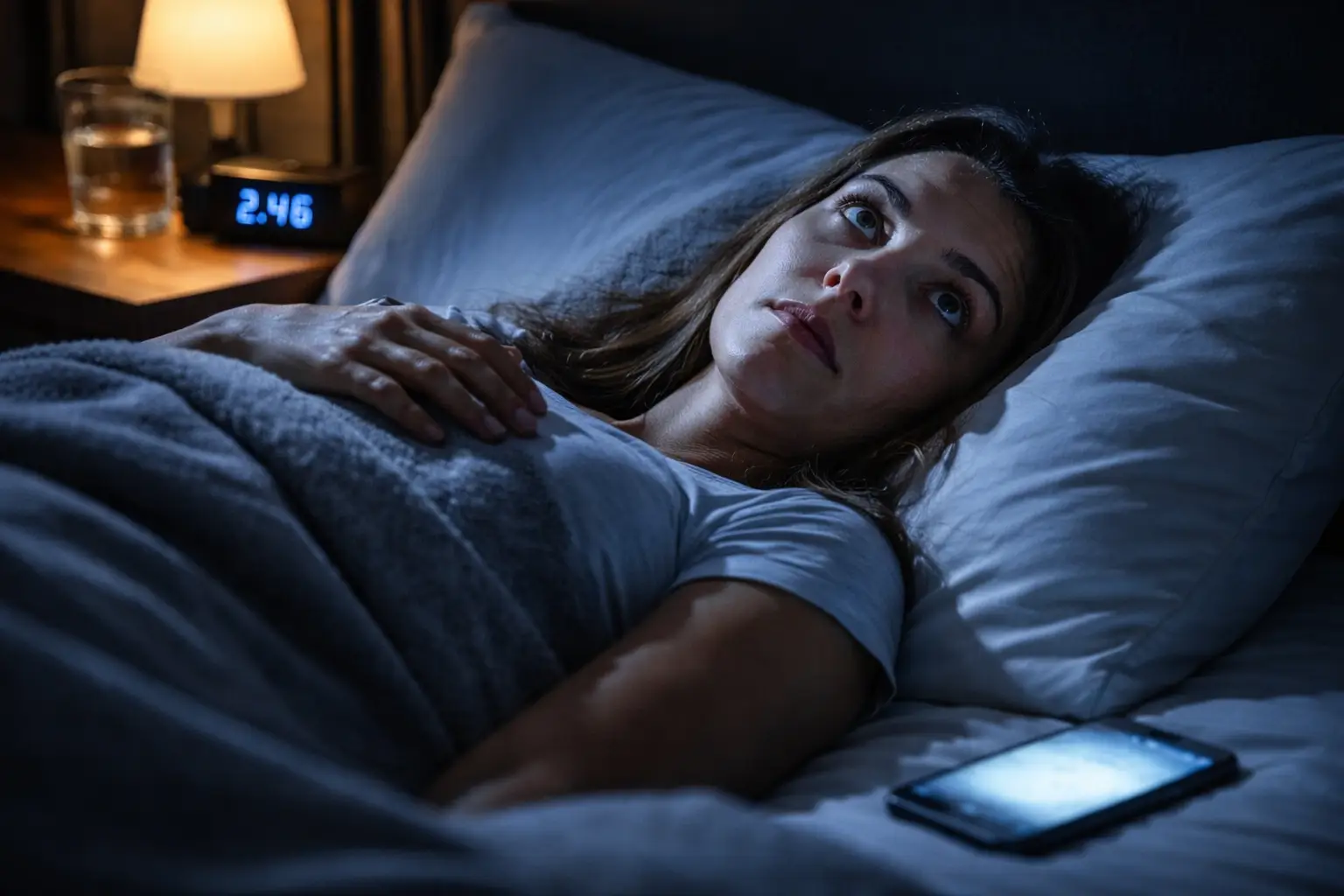

Isomania: 7 Signs Your Brain May Be Refusing to Sleep
Sleep is one of the most essential biological functions for maintaining physical and mental health. Yet millions of people struggle with sleep disorders that disrupt their nightly rest.
One lesser-known condition associated with severe sleep problems is isomania, a term often used to describe persistent difficulty sleeping or extreme insomnia. People experiencing this condition may feel exhausted but unable to fall asleep.
Understanding the causes and warning signs of isomania can help individuals address sleep issues before they develop into long-term health problems.
What Is Isomania?
Isomania refers to a severe form of sleeplessness where a person finds it extremely difficult to fall asleep or remain asleep. It is closely related to insomnia and may occur due to psychological, neurological, or lifestyle factors.
Sleep disorders like isomania interfere with the body’s natural sleep cycle and disrupt restorative sleep stages.
How Sleep Works
Healthy sleep occurs through cycles that include light sleep, deep sleep, and REM sleep. These stages allow the body to repair tissues, regulate hormones, and consolidate memory.
The circadian rhythm, often called the body’s internal clock, regulates sleep and wake cycles based on environmental cues such as light and darkness.
When this rhythm is disrupted, sleep disorders may develop.
7 Signs You May Have Isomania
Difficulty Falling Asleep
People with isomania may lie awake for hours despite feeling tired.
Frequent Night Awakenings
Waking up multiple times during the night can indicate sleep disruption.
Daytime Fatigue
Poor sleep often leads to extreme daytime exhaustion.
Irritability
Sleep deprivation affects mood regulation and emotional stability.
Brain Fog
Lack of sleep reduces concentration and memory performance.
Headaches
Sleep disorders often cause tension headaches.
Nighttime Anxiety
Many people experience racing thoughts or stress before sleep.
Causes of Isomania
Stress and Anxiety
High stress levels stimulate the brain and make relaxation difficult.
Digital Device Use
Blue light from screens interferes with melatonin production.
Poor Sleep Habits
Irregular sleep schedules can disrupt circadian rhythms.
Hormonal Changes
Hormonal fluctuations may contribute to sleep disturbances.
Risks of Chronic Sleep Loss
Untreated sleep disorders can lead to serious health consequences.
Possible risks include:
• depression
• heart disease
• weakened immune system
• reduced cognitive performance
Natural Ways to Improve Sleep
Simple lifestyle changes can help improve sleep quality.
Maintain a Sleep Schedule
Going to bed and waking up at the same time daily stabilizes circadian rhythm.
Limit Screen Time
Avoid screens at least one hour before sleep.
Practice Relaxation
Meditation and breathing exercises help calm the mind.
Improve Sleep Environment
Dark, quiet rooms promote better sleep.
Conclusion
Sleep is essential for overall health, and persistent sleep problems should not be ignored. Isomania and related sleep disorders may develop due to stress, lifestyle habits, or neurological factors.
By recognizing early warning signs and adopting healthy sleep habits, individuals can significantly improve their sleep quality and overall well-being.
FAQ
What is isomania?
Isomania is a term used to describe severe sleep disturbance similar to chronic insomnia.
What causes isomania?
Common causes include stress, anxiety, irregular sleep habits, and excessive screen exposure.
Is isomania dangerous?
Long-term sleep deprivation can negatively affect mental and physical health.
How can I treat isomania naturally?
Maintaining a regular sleep schedule and reducing screen time may improve sleep.
What are symptoms of severe insomnia?
Symptoms include fatigue, irritability, headaches, and difficulty concentrating.
Can stress cause sleep disorders?
Yes, stress activates the nervous system and interferes with sleep.
How many hours of sleep do adults need?
Most adults require 7–9 hours of sleep per night.
Can poor sleep affect mental health?
Yes, chronic sleep loss increases risk of anxiety and depression.
What foods improve sleep?
Foods containing magnesium and tryptophan may support better sleep.
When should I see a doctor for insomnia?
If sleep problems persist for several weeks, medical consultation is recommended.
Disclaimer
This article is for informational purposes only and should not replace professional medical advice.
Sleep specialists recommend maintaining consistent sleep schedules and reducing blue-light exposure before bedtime to improve sleep quality.
Content developed using insights from sleep research, medical literature, and public health resources.