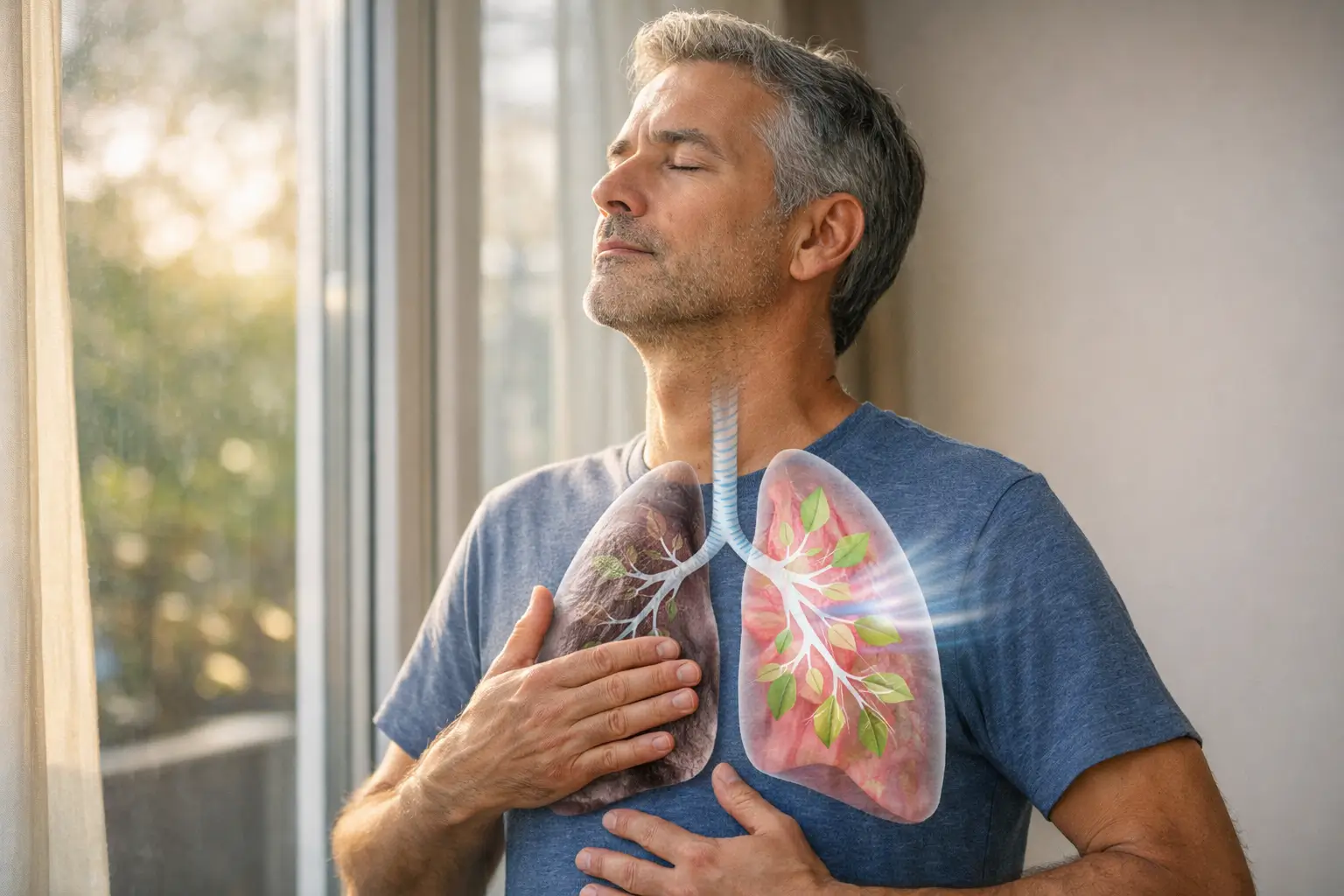

If you’ve quit smoking—or are planning to—you may be wondering how to strengthen lungs naturally and whether real recovery is possible. The good news is that your lungs begin repairing themselves within days of quitting. The process is gradual, but with the right habits, nutrition, and breathing techniques, you can significantly support lung healing and improve respiratory capacity over time.
This guide is written from a health-focused, evidence-informed perspective. It does not promise instant detox miracles. Instead, it explains what actually happens inside the lungs after smoking, and how to support natural recovery safely and realistically.
What Does “Strengthening Lungs Naturally” Really Mean?
Featured Snippet Definition (40–60 words):
Strengthening lungs naturally refers to improving lung capacity, reducing inflammation, clearing mucus, and enhancing oxygen exchange through lifestyle changes such as breathing exercises, proper nutrition, physical activity, and pollution control—without relying solely on medications or synthetic interventions.
In practical terms, it means supporting:
- Alveoli repair (tiny air sacs responsible for oxygen exchange)
- Bronchial health (airways that carry air in and out)
- Mucus clearance mechanisms
- Reduced oxidative stress and inflammation
- Improved lung capacity and stamina
What Smoking Does to the Lungs
Understanding damage helps you approach recovery wisely.
How Cigarette Smoke Affects Lung Tissue
Cigarette smoke contains over 7,000 chemicals. Many of these cause:
- Chronic airway inflammation
- Destruction of alveoli
- Thickened bronchial walls
- Excess mucus production
- Reduced oxygen transfer efficiency
Long-term exposure may lead to conditions such as chronic bronchitis, emphysema, or COPD (Chronic Obstructive Pulmonary Disease).
Can Lungs Heal After Smoking?
Yes—partially.
- Within 2–12 weeks, circulation improves.
- Within 1–9 months, coughing and shortness of breath may reduce.
- Over years, lung function gradually stabilizes depending on damage severity.
However, healing depends on age, duration of smoking, and overall health.
How to Strengthen Lungs Naturally: Step-by-Step Plan
Below is a structured, actionable roadmap.
1. Practice Targeted Breathing Exercises Daily
Breathing exercises improve lung expansion, oxygen exchange, and diaphragm efficiency.
Diaphragmatic Breathing
Also known as belly breathing.
How to do it:
- Sit upright.
- Place one hand on your abdomen.
- Inhale deeply through the nose.
- Exhale slowly through pursed lips.
Benefits:
- Enhances oxygen intake
- Reduces air trapping
- Improves respiratory muscle strength
Pursed-Lip Breathing
Helpful for people with breathlessness.
Steps:
- Inhale through the nose.
- Exhale slowly through tightly pursed lips (as if blowing out a candle).
It prevents airway collapse and improves airflow.
Pranayama for Lung Strength
Techniques like:
- Anulom Vilom
- Bhramari
- Kapalbhati (only if medically fit)
These may improve lung capacity and reduce inflammation when practiced safely.
2. Eat Anti-Inflammatory Foods That Support Lung Health
Nutrition plays a significant role in lung recovery.
Key Nutrients for Lung Repair
| Nutrient | Role in Lung Health | Food Sources |
|---|---|---|
| Vitamin C | Reduces oxidative stress | Citrus fruits, amla |
| Vitamin A | Supports mucosal lining | Carrots, spinach |
| Omega-3 | Anti-inflammatory | Flaxseed, walnuts |
| Magnesium | Improves airway function | Nuts, seeds |
| Antioxidants | Protect lung cells | Berries, green tea |
Foods That Help Strengthen Lungs Naturally
- Turmeric (anti-inflammatory properties)
- Ginger (supports airway relaxation)
- Garlic (immune support)
- Leafy greens
- Apples (linked to better lung function)
Avoid processed foods and excess sugar, which may worsen inflammation.
3. Clear Mucus Safely and Effectively
After quitting smoking, increased coughing is common. This is your lungs clearing built-up toxins.
Natural Ways to Reduce Mucus
- Steam inhalation
- Warm saline gargles
- Adequate hydration
- Chest physiotherapy techniques
Avoid excessive “lung detox drinks” marketed online. The lungs cleanse themselves primarily through ciliary action (tiny hair-like structures).
4. Improve Lung Capacity Through Physical Activity
Regular movement enhances pulmonary efficiency.
Best Exercises for Lung Strength
- Brisk walking
- Swimming
- Cycling
- Light jogging
Aerobic exercise increases oxygen demand, which gradually improves lung capacity.
Start slow if you were a long-term smoker.
5. Reduce Exposure to Air Pollution
This is especially important in urban environments.
Protective Measures
- Use indoor air purifiers
- Avoid peak traffic hours
- Monitor Air Quality Index (AQI)
- Wear a high-quality mask in polluted areas
Pollution exposure can slow lung recovery.
6. Maintain Healthy Weight
Excess abdominal fat restricts diaphragm movement, reducing lung expansion.
Weight optimization supports:
- Better breathing efficiency
- Improved stamina
- Reduced respiratory strain
7. Stay Hydrated
Water thins mucus, making it easier to clear.
Aim for:
- 2–3 liters daily (adjust based on climate and activity)
8. Consider Medical Evaluation
Natural recovery is powerful, but medical assessment matters.
You may need:
- Spirometry test (measures lung function)
- Oxygen saturation check
- Chest imaging (if symptoms persist)
Consult a pulmonologist if you experience:
- Persistent shortness of breath
- Wheezing
- Chronic productive cough
- Chest pain
How Long Does It Take to Strengthen Lungs Naturally After Smoking?
Recovery timeline varies:
| Duration After Quitting | What Improves |
|---|---|
| 20 minutes | Heart rate stabilizes |
| 2–3 weeks | Lung function begins improving |
| 3 months | Circulation improves |
| 1 year | Risk of heart disease drops significantly |
| 5+ years | Reduced cancer risk |
However, structural damage may not fully reverse in heavy smokers.
Common Mistakes to Avoid
- Expecting instant detox results
- Overusing herbal supplements without medical advice
- Ignoring persistent symptoms
- Continuing exposure to secondhand smoke
- Extreme breathing techniques without supervision
Pros and Limitations of Natural Lung Strengthening
Pros
- Non-invasive
- Cost-effective
- Improves overall health
- Sustainable long-term
Limitations
- Not a replacement for medical care
- Severe lung damage may not fully reverse
- Requires consistency
Signs Your Lungs Are Improving
- Reduced coughing
- Better stamina
- Improved oxygen levels
- Less wheezing
- Stronger breath control
Long-Term Maintenance Strategy
To maintain lung health:
- Avoid relapse into smoking
- Exercise consistently
- Eat antioxidant-rich foods
- Get annual health screenings
- Manage stress
Frequently Asked Questions
1. Can lungs completely recover after 10 years of smoking?
Partial recovery is possible. Structural damage may not fully reverse, but lung function can significantly improve with healthy habits.
2. Do lung detox drinks really work?
There is limited scientific evidence supporting commercial detox drinks. The lungs naturally cleanse through physiological mechanisms.
3. Which breathing exercise is best for ex-smokers?
Diaphragmatic breathing and pursed-lip breathing are widely recommended.
4. How often should I exercise to improve lung capacity?
At least 150 minutes of moderate aerobic exercise weekly.
5. Can turmeric help strengthen lungs naturally?
Turmeric has anti-inflammatory properties, which may support lung health, but it is not a cure.
6. Is coughing after quitting smoking normal?
Yes. It often indicates the lungs are clearing accumulated mucus.
7. When should I see a doctor?
If symptoms persist beyond several months or worsen.
Conclusion
If you are serious about learning how to strengthen lungs naturally after smoking, consistency matters more than quick fixes. Your lungs have a remarkable ability to repair, but they require supportive habits—clean air, proper nutrition, breathing exercises, and physical activity.
Quitting smoking was the hardest step. Now focus on rebuilding respiratory strength gradually and responsibly.
If you found this guide helpful, consider sharing it or exploring our related lung health resources.
Disclaimer
This article is for informational purposes only and does not substitute professional medical advice. Consult a qualified healthcare provider before starting any new health regimen.