
Introduction: The Reality After 30
Once you cross 30, body thoda change hona start ho jata hai. Metabolism slows down. Stress increases. Sleep gets compromised. Hormones fluctuate. And suddenly, belly fat starts appearing — even if your routine hasn’t changed much.
Many people search for how to reduce belly fat without exercise because:
- Busy work life
- Joint pain or back issues
- Post-pregnancy recovery
- Hormonal imbalance
- No time for gym
Let me say this clearly:
You can reduce belly fat without formal exercise — but you cannot avoid lifestyle changes.
This article will explain exactly how it works — scientifically, realistically, and safely.
Quick Answer
Reducing belly fat without exercise after 30 is possible by creating a mild calorie deficit through diet, improving sleep quality, managing stress hormones like cortisol, increasing daily movement (NEAT), and balancing insulin levels. Sustainable fat loss depends more on metabolic health than intense workouts.
Why Belly Fat Increases After 30
Understanding the root cause is important before fixing it.
1. Slower Metabolism
After 30, muscle mass naturally decreases. Less muscle = lower calorie burn at rest.
2. Hormonal Changes
- In women: estrogen fluctuation
- In men: gradual testosterone drop
- In both: increased cortisol (stress hormone)
3. Insulin Resistance
High refined carbs + low activity = belly fat storage.
4. Poor Sleep
Less than 6–7 hours increases hunger hormones (ghrelin).
5. Sedentary Lifestyle
Long sitting hours = fat accumulation around abdomen.
Important Truth: Fat Loss vs Weight Loss
Many people confuse these.
| Weight Loss | Fat Loss |
|---|---|
| Water + muscle + fat | Mostly body fat |
| Fast but temporary | Slow but sustainable |
| Scale-focused | Waist measurement focused |
For belly fat, focus on fat loss, not just scale weight.
Step-by-Step: How to Reduce Belly Fat Without Exercise
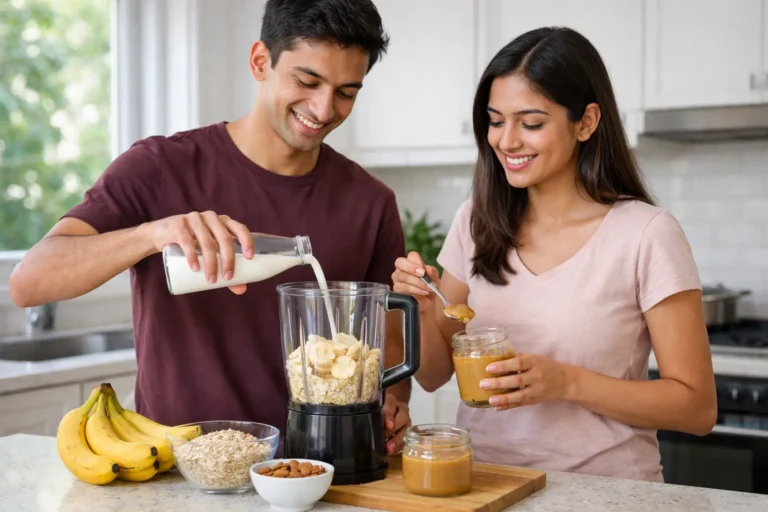
1. Fix Your Diet First (80% Game Here)
You don’t need extreme dieting. Bas smart eating chahiye.
✔ Focus on Protein
Protein preserves muscle and reduces cravings.
Good sources:
- Eggs
- Paneer
- Dal
- Greek yogurt
- Chicken/fish
- Tofu
Aim: 1.0–1.2g per kg body weight (general guidance).
✔ Reduce Refined Carbs
Limit:
- White bread
- Sugar drinks
- Bakery items
- Excess rice
Replace with:
- Brown rice
- Millets
- Oats
- Whole wheat
This improves insulin sensitivity.
✔ Add Fiber
Fiber reduces visceral fat.
Add:
- Salad before meals
- Chia seeds
- Flax seeds
- Fruits (whole, not juice)
Target: 25–35g per day.
✔ Healthy Fats Are Important
Include:
- Nuts
- Seeds
- Olive oil
- Mustard oil
- Avocado
Avoid deep-fried oils.
2. Control Portion Size (Without Counting Calories)
Simple trick:
- Half plate: vegetables
- Quarter: protein
- Quarter: carbs
Slow eating = better satiety.
3. Improve Sleep Quality (Hidden Fat Loss Tool)
Less sleep = more belly fat.
Try:
- Fixed sleep time
- No screens 1 hour before bed
- Dark room
- Magnesium-rich foods
Target: 7–8 hours.
Sleep reduces cortisol and improves fat metabolism.
4. Manage Stress (Cortisol Belly Fat Is Real)
High stress increases abdominal fat.
Daily stress control methods:
- Deep breathing (5 minutes)
- Short walks
- Journaling
- Meditation
- Limiting news/social media
Even 10 minutes daily helps.
5. Increase NEAT (Non-Exercise Activity Thermogenesis)
This is the biggest secret.
NEAT = daily movement outside gym.
Examples:
- 8–10k steps
- Standing calls
- Cleaning
- Taking stairs
- Walking after meals
You don’t need gym. You need movement.
6. Try Intermittent Fasting (Optional)
Many people after 30 benefit from 14:10 or 16:8 fasting.
Benefits:
- Improves insulin sensitivity
- Controls calorie intake
- Reduces late-night snacking
But:
- Not for pregnant women
- Not for diabetes without doctor supervision
7. Improve Gut Health
Poor gut = inflammation = fat storage.
Add:
- Curd
- Fermented foods
- Fiber
- Hydration
Avoid excessive processed food.
8. Reduce Alcohol & Liquid Calories
Alcohol directly promotes belly fat.
Also avoid:
- Sugary coffee
- Sweetened tea
- Fruit juices
Liquid calories don’t satisfy hunger.
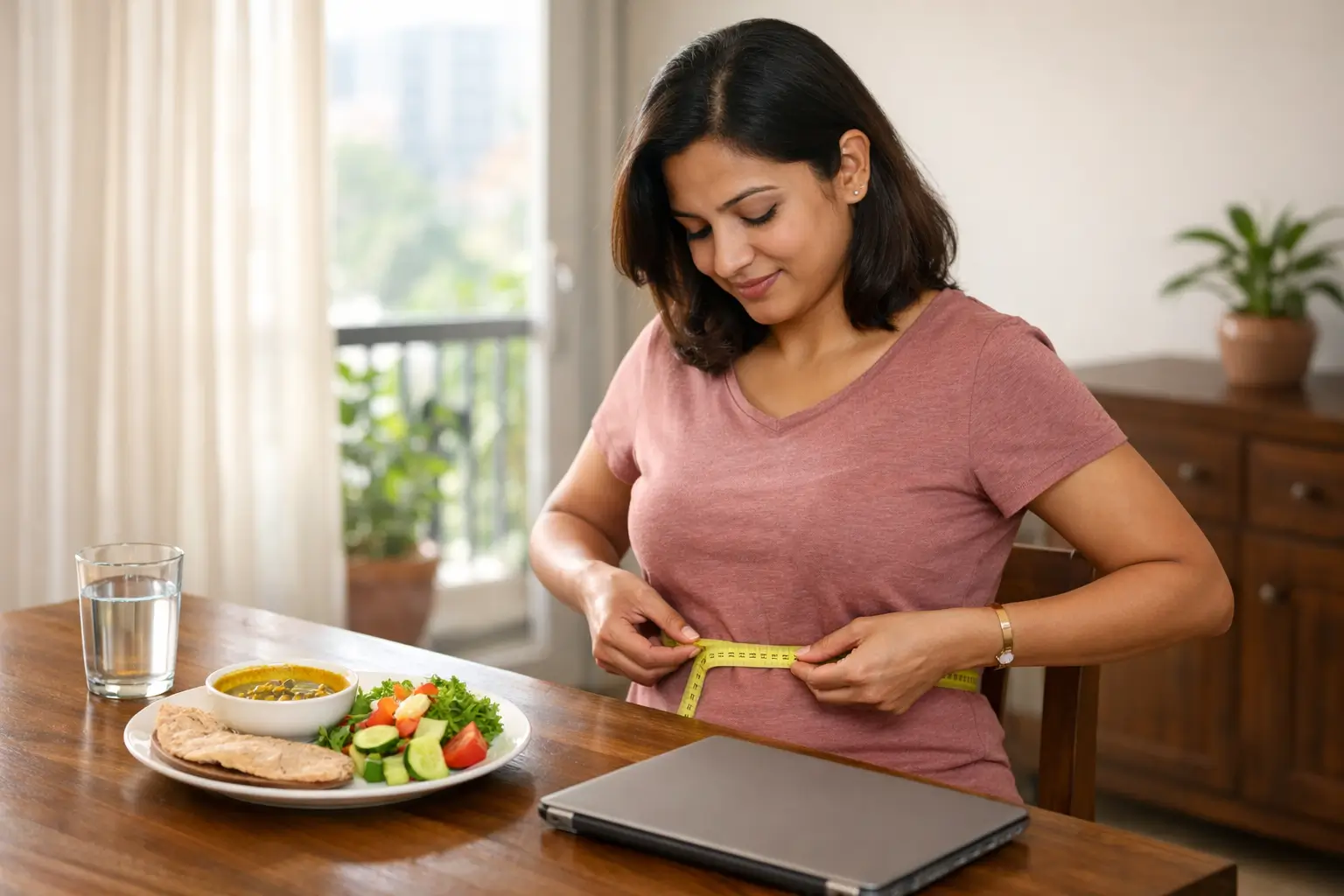
9. Track Waist Measurement, Not Just Weight
Use measuring tape weekly.
Healthy waist guidelines (general):
- Men: Below 90 cm
- Women: Below 80 cm
Consult healthcare provider for personalized assessment.
10. Hormone & Medical Check (If Needed)
If belly fat persists despite efforts:
Check:
- Thyroid
- Insulin levels
- PCOS
- Testosterone
- Cortisol
Sometimes underlying medical issues block fat loss.
Pros & Cons of Losing Belly Fat Without Exercise
Pros
- Sustainable
- Joint-friendly
- Busy schedule friendly
- Lower injury risk
Cons
- Slower results
- Requires discipline
- Diet control essential
Realistic Timeline
Healthy fat loss = 0.5–1 kg per week.
Visible belly reduction:
- 4 weeks: mild change
- 8 weeks: noticeable difference
- 12 weeks: clear waist reduction
Consistency > intensity.
Common Mistakes People Make
- Skipping meals
- Detox drinks obsession
- Zero-carb dieting
- Starving
- Not sleeping
- Ignoring stress
FAQ Section
1. Can I really reduce belly fat without exercise after 30?
Yes, through diet control, sleep improvement, stress management, and increasing daily movement.
2. How long does it take to see results?
Usually 4–8 weeks with consistent lifestyle changes.
3. Is intermittent fasting necessary?
Not mandatory, but helpful for some people.
4. Does walking count as exercise?
Brisk walking counts, but even light walking increases NEAT and helps fat loss.
5. Why is belly fat stubborn after 30?
Hormonal shifts, stress, poor sleep, and insulin resistance.
6. Can supplements reduce belly fat?
Most supplements offer minimal benefit. Lifestyle change matters more.
7. Is belly fat dangerous?
Excess visceral fat increases risk of heart disease and diabetes.
Conclusion: Sustainable Is Powerful
If you are searching for how to reduce belly fat without exercise, remember this:
You don’t need extreme workouts.
You need consistent lifestyle correction.
After 30, fat loss is more about:
- Hormone balance
- Insulin control
- Sleep
- Stress
- Smart eating
Start small. Stay consistent. Measure progress monthly.
If needed, consult a qualified nutritionist or healthcare provider.
Disclaimer
This article is for educational purposes only. It does not replace medical advice. Consult a healthcare professional before starting any diet or lifestyle changes, especially if you have medical conditions.