
Hemoglobin plays a critical role in maintaining your overall health. This protein inside red blood cells is responsible for transporting oxygen from your lungs to every part of your body. Without sufficient hemoglobin, the body struggles to deliver oxygen efficiently, which can lead to fatigue, weakness, and several health complications.
Low hemoglobin is commonly linked to anemia, a condition affecting millions of people worldwide. In many cases, individuals may not realize their hemoglobin levels are low until symptoms become severe. Recognizing the warning signs early can help prevent complications and improve overall health.
This guide explains what hemoglobin is, why it matters, common symptoms of low hemoglobin, and natural ways to improve your levels.
What Is Hemoglobin?
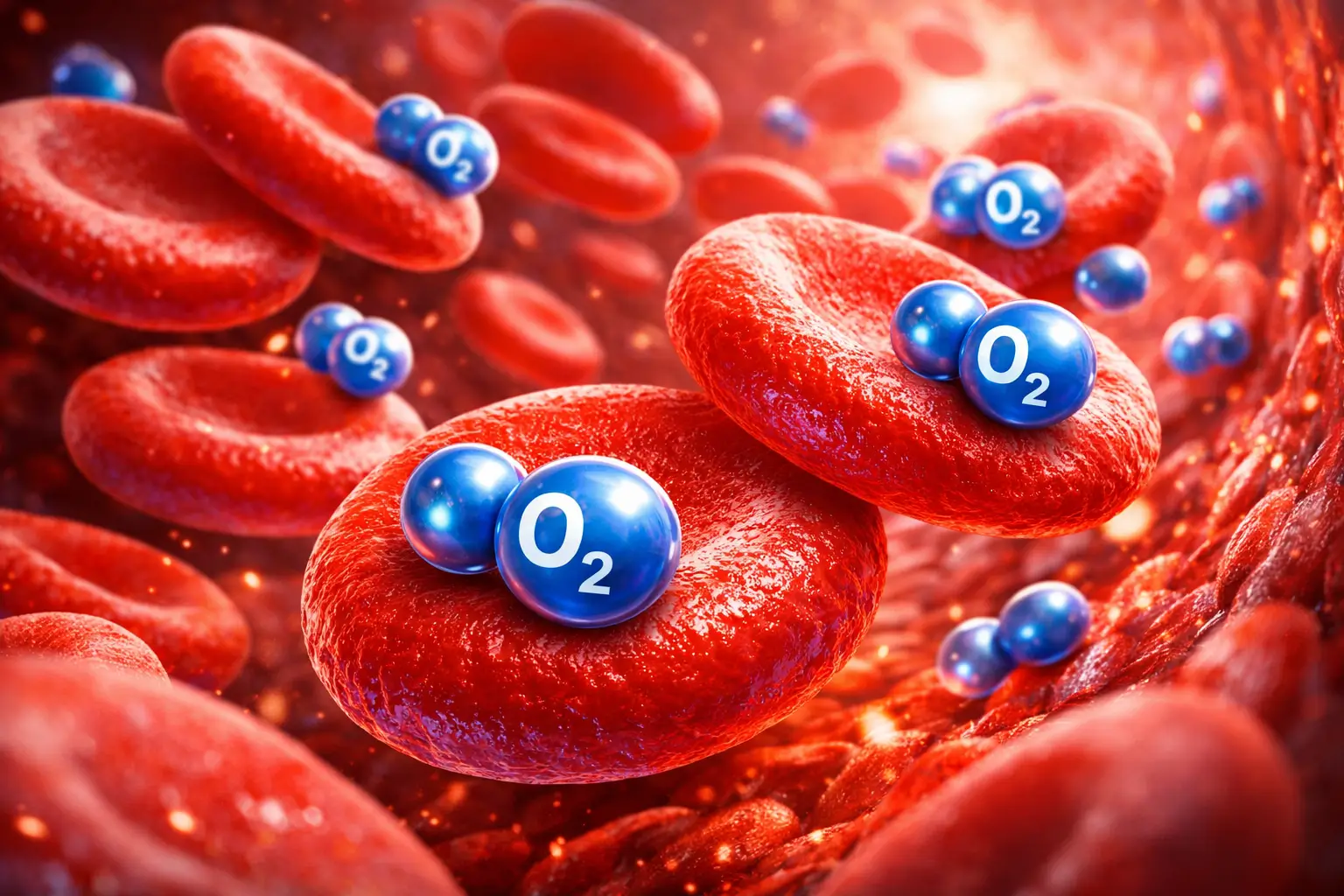
Hemoglobin is an iron-rich protein found in red blood cells. Its main function is to bind oxygen in the lungs and carry it throughout the body.
When oxygen is delivered to tissues and organs, hemoglobin also helps transport carbon dioxide back to the lungs so it can be exhaled.
Because of this essential role, hemoglobin is vital for:
• Energy production
• Brain function
• Muscle performance
• Organ health
Low levels reduce oxygen supply to tissues, which causes many of the symptoms associated with anemia.
Normal Hemoglobin Levels
Normal hemoglobin levels vary depending on age and gender.
Typical ranges include:
• Adult men: 13.8 – 17.2 g/dL
• Adult women: 12.1 – 15.1 g/dL
• Children: 11 – 16 g/dL
Levels below these ranges may indicate anemia or other medical conditions.
7 Hidden Symptoms of Low Hemoglobin
Many symptoms of low hemoglobin develop gradually and may be overlooked.
1. Persistent Fatigue
One of the most common symptoms is constant tiredness. When oxygen supply decreases, the body struggles to produce enough energy.
2. Shortness of Breath
People with low hemoglobin may feel breathless even during mild physical activity.
3. Pale Skin
Hemoglobin gives blood its red color. When levels drop, skin may appear pale or dull.
4. Dizziness
Reduced oxygen supply to the brain can cause dizziness or lightheadedness.
5. Cold Hands and Feet
Poor oxygen circulation can lead to cold extremities.
6. Rapid Heartbeat
The heart may beat faster in an attempt to compensate for reduced oxygen levels.
7. Frequent Headaches
Insufficient oxygen delivery to the brain may cause recurring headaches.
Causes of Low Hemoglobin
Several factors can contribute to decreased hemoglobin levels.
Iron Deficiency
Iron is required to produce hemoglobin. A diet lacking iron-rich foods may lead to deficiency.
Blood Loss
Blood loss from injuries, surgery, or heavy menstrual cycles can reduce hemoglobin levels.
Vitamin Deficiencies
Low levels of vitamin B12 or folate can interfere with red blood cell production.
Chronic Diseases
Certain illnesses such as kidney disease or chronic inflammation can affect hemoglobin production.
How to Increase Hemoglobin Naturally
Improving hemoglobin levels often involves dietary and lifestyle changes.
Eat Iron Rich Foods
Include foods such as:
• Spinach
• Lentils
• Red meat
• Beans
• Pumpkin seeds
Increase Vitamin C Intake
Vitamin C improves iron absorption. Foods rich in vitamin C include:
• Oranges
• Strawberries
• Tomatoes
• Bell peppers
Improve Gut Health
Healthy digestion helps the body absorb nutrients more effectively.
Regular Health Checkups
Blood tests help monitor hemoglobin levels and detect anemia early.
Foods That Increase Hemoglobin
Certain foods are especially helpful for boosting hemoglobin levels.
Vegetables
• Spinach
• Beetroot
• Broccoli
Fruits
• Pomegranate
• Apples
• Dates
Protein Sources
• Eggs
• Fish
• Lean meat
Combining iron-rich foods with vitamin C can significantly improve iron absorption.
Common Mistakes That Reduce Hemoglobin
Many everyday habits can negatively affect hemoglobin levels.
• Drinking tea or coffee immediately after meals
• Low iron diet
• Skipping meals
• Poor digestion
Avoiding these habits can help maintain healthy hemoglobin levels.
Expert Health Tips
Health experts recommend the following steps for maintaining optimal hemoglobin levels:
• Eat a balanced iron-rich diet
• Maintain regular physical activity
• Stay hydrated
• Monitor blood health with regular checkups
Conclusion
Hemoglobin is essential for transporting oxygen throughout the body and maintaining overall health. Low hemoglobin levels can lead to fatigue, weakness, and several health complications.
Recognizing symptoms early and adopting healthy dietary habits can help improve hemoglobin levels naturally. If symptoms persist, consulting a healthcare professional is recommended.
FAQ
What is hemoglobin?
Hemoglobin is a protein in red blood cells responsible for transporting oxygen throughout the body.
What causes low hemoglobin?
Common causes include iron deficiency, blood loss, vitamin deficiencies, and chronic diseases.
What foods increase hemoglobin?
Iron rich foods such as spinach, lentils, red meat, eggs, and pumpkin seeds help increase hemoglobin.
What is normal hemoglobin level?
Normal levels are typically 13.8–17.2 g/dL for men and 12.1–15.1 g/dL for women.
Can hemoglobin increase naturally?
Yes, a balanced diet and proper nutrition can improve hemoglobin levels naturally.
How long does it take to increase hemoglobin?
It may take several weeks to months depending on the cause and treatment.
Which fruit increases hemoglobin?
Pomegranate, apples, and dates are known to support hemoglobin levels.
Is low hemoglobin dangerous?
Severely low levels can lead to anemia and serious health complications.
How is hemoglobin tested?
It is measured through a simple blood test called a hemoglobin test.
Can exercise improve hemoglobin?
Regular exercise can support overall blood health and circulation.
Disclaimer
This article is for informational purposes only and should not replace professional medical advice. Always consult a healthcare professional for diagnosis or treatment.
Doctors recommend combining iron rich foods with vitamin C to improve iron absorption and boost hemoglobin levels more effectively.
Written and reviewed using insights from medical research and public health resources to ensure accuracy and reliability.