
Fatty liver disease is becoming increasingly common, especially due to modern lifestyles, poor diet, and lack of physical activity. What makes it dangerous is that it often develops silently, without noticeable symptoms in the early stages.
Many people ignore subtle signals their body gives—until the condition becomes serious.
In this article, you’ll discover the early signs of fatty liver, how to recognize them, and what steps you can take to protect your liver health before it’s too late.
What Is Fatty Liver Disease?
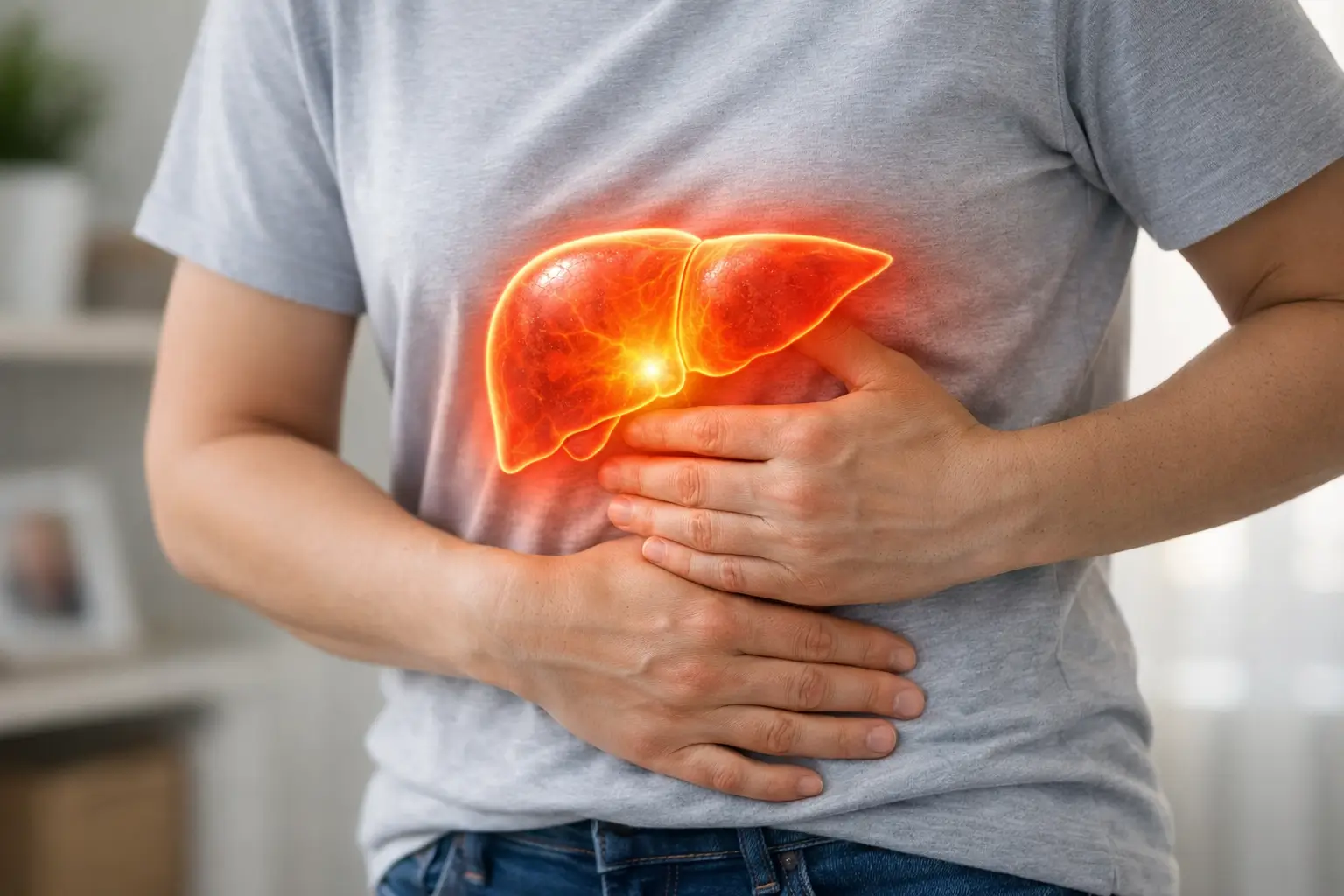
Fatty liver disease occurs when excess fat builds up in liver cells. There are two main types:
- Non-Alcoholic Fatty Liver Disease (NAFLD)
- Alcoholic Fatty Liver Disease
If untreated, it can progress to inflammation, fibrosis, or even cirrhosis.
10 Early Signs of Fatty Liver
1. Constant Fatigue
Feeling tired all the time—even after rest—is one of the earliest signs. The liver plays a key role in energy metabolism, and when it’s compromised, energy levels drop.
2. Mild Pain in Upper Right Abdomen
A dull or uncomfortable sensation on the right side of your abdomen may indicate liver enlargement.
3. Unexplained Weight Gain
Fatty liver is closely linked to obesity and metabolic syndrome. Sudden or persistent weight gain can be a warning signal.
4. Loss of Appetite
A decrease in hunger or feeling full quickly can be an early indicator of liver dysfunction.
5. Brain Fog or Poor Concentration
When toxins are not properly filtered, they can affect brain function, leading to confusion or lack of focus.
6. Yellowish Skin or Eyes (Mild Jaundice)
Although more common in advanced stages, mild discoloration can sometimes appear early.
7. Digestive Issues
Symptoms like bloating, nausea, or indigestion may indicate liver stress.
8. Dark Urine
Changes in urine color can reflect liver problems and toxin buildup.
9. Weakness or Muscle Loss
Loss of strength without obvious reason can be linked to metabolic imbalance.
10. High Cholesterol or Blood Sugar
Fatty liver is often associated with diabetes and high cholesterol levels.
Expert Tip
If you notice 2–3 of these symptoms consistently, don’t ignore them. Early testing like liver function tests (LFT) or ultrasound can detect fatty liver before complications develop.
Causes of Fatty Liver
Understanding the root causes helps in prevention:
- Poor diet (high sugar, processed foods)
- Sedentary lifestyle
- Obesity
- Diabetes
- Alcohol consumption
- High cholesterol
Real-Life Example
Ravi, a 35-year-old office worker, started experiencing fatigue and mild abdominal discomfort. He ignored it, assuming it was stress.
After a routine check-up, he was diagnosed with early-stage fatty liver. By changing his diet, exercising regularly, and avoiding junk food, he reversed the condition within 6 months.
Common Mistakes People Make
- Ignoring early symptoms
- Relying only on home remedies
- Continuing unhealthy eating habits
- Avoiding medical checkups
- Assuming it’s not serious
How to Prevent Fatty Liver
Lifestyle Changes
- Exercise at least 30 minutes daily
- Maintain healthy weight
- Avoid alcohol
Diet Tips
- Eat green vegetables
- Reduce sugar and fried foods
- Increase fiber intake
Quick Summary
- Fatty liver often shows silent early symptoms
- Fatigue, abdominal discomfort, and digestion issues are key signs
- Early detection can reverse the condition
- Lifestyle changes are the most effective treatment
As a health content researcher, I’ve analyzed multiple medical studies and real-life cases where early detection of fatty liver significantly improved recovery outcomes. The key takeaway across all cases is simple: awareness + early action = prevention.
Conclusion
Fatty liver is not something to ignore. The early signs may seem minor, but they can lead to serious complications if left untreated.
Start paying attention to your body today. Small lifestyle changes can make a huge difference in protecting your liver health.
If you found this helpful, share it with others—it might help someone detect the condition early.
Disclaimer
This article is for informational purposes only and does not replace professional medical advice. Always consult a qualified healthcare provider for diagnosis and treatment.