
Fast food is everywhere — quick, tasty, and convenient. But behind that crispy burger and cheesy pizza lies a reality many people ignore.
If you’re someone who regularly eats fast food, this guide will help you understand fast food health effects, what it’s really doing to your body — and how you can make smarter choices without giving up convenience.
What is Fast Food
Fast food refers to meals that are prepared quickly, often processed, and designed for convenience.
Common examples include:
- Burgers
- Fries
- Pizza
- Fried chicken
- Packaged snacks
These foods are typically high in:
- Calories
- Salt
- Sugar
- Unhealthy fats
Why It Is Important Today
Modern lifestyles are fast-paced. People prefer quick meals over home-cooked food.
Reasons why fast food consumption is rising:
- Busy schedules
- Easy availability
- Low cost
- Aggressive marketing
However, this shift is creating serious health concerns worldwide.
Benefits / Key Insights
Let’s be realistic — fast food does have some advantages:
✔ Convenience
No cooking required, saves time.
✔ Affordable
Cheaper than many restaurant meals.
✔ Quick Energy Boost
High calories provide instant energy.
But here’s the truth:
👉 These short-term benefits often lead to long-term damage.
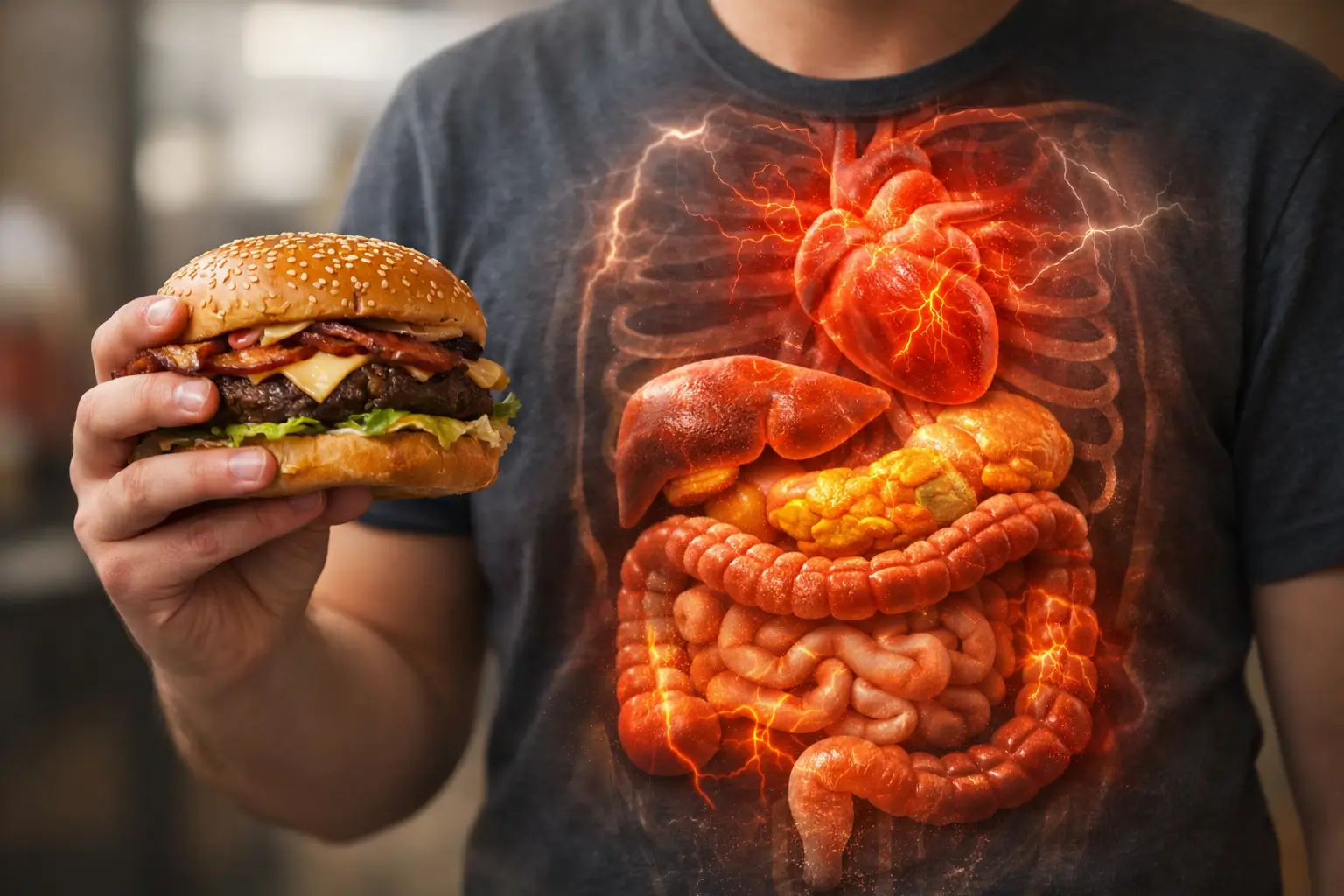
Step-by-Step Guide: How Fast Food Affects Your Body
Step 1: Digestion Impact
Fast food slows digestion due to high fat content.
Step 2: Blood Sugar Spike
Refined carbs cause sudden sugar spikes.
Step 3: Weight Gain
Excess calories convert into fat.
Step 4: Heart Health Risk
High sodium increases blood pressure.
Step 5: Mental Health Effects
Studies show links to anxiety and depression.
Expert Tips
📌 Expert Tip Box:
- Limit fast food to once a week
- Choose grilled over fried
- Avoid sugary drinks
- Add fruits or salads to meals
- Stay hydrated
Common Mistakes
❌ Eating fast food daily
❌ Ignoring portion sizes
❌ Drinking soda with every meal
❌ Skipping exercise
❌ Believing “one meal won’t matter”
Consistency is what damages your health — not just one burger.
Real Life Examples
- A working professional eating fast food daily gains 8–10 kg in a year
- Teenagers consuming junk food show reduced concentration
- Office workers develop digestive issues due to processed meals
These are not rare cases — they are becoming common.
Future Trends
The future of fast food is changing:
- Healthier fast food chains
- Plant-based burgers
- Low-calorie menus
- AI-driven nutrition tracking
Consumers are becoming more aware — and demanding better options.
Conclusion
Fast food is not the enemy — but overconsumption is.
The key is balance.
You don’t have to quit completely, but you must control how often and how much you eat.
Your health is shaped by daily habits — not occasional choices.
FAQ
1. Is fast food bad for health?
Yes, regular consumption can lead to obesity, heart disease, and diabetes.
2. Can I eat fast food occasionally?
Yes, moderation is key. Once a week is generally safe.
3. What is the healthiest fast food option?
Grilled items, salads, and low-sugar drinks are better choices.
4. Why is fast food addictive?
High sugar, fat, and salt trigger dopamine release in the brain.
5. Does fast food affect mental health?
Yes, it can increase anxiety and mood swings.
6. How can I stop eating fast food?
Start by reducing frequency and replacing it with healthy alternatives.
Disclaimer
This content is for informational purposes only and should not be considered medical advice. Always consult a qualified healthcare professional for personalized health guidance.