
Introduction: Why Daily Nutrient Requirements Matter More Than You Think
Most adults assume that eating “normally” covers their nutritional needs. In reality, many men and women fall short of the essential nutrients for adults daily requirements, even when they are not visibly ill.
As a nutrition-focused writer who has analyzed dietary patterns across urban and semi-urban populations, I can confidently say this: nutrient gaps are common, subtle, and often ignored until symptoms appear.
Energy dips. Hair thinning. Low immunity. Mood swings. Slow recovery.
These are often not random problems. They are signals.
This comprehensive guide explains the essential nutrients for adults daily requirements, what they mean for men and women, how much you actually need, and how to meet them safely and naturally.
What Are Essential Nutrients for Adults Daily Requirements?
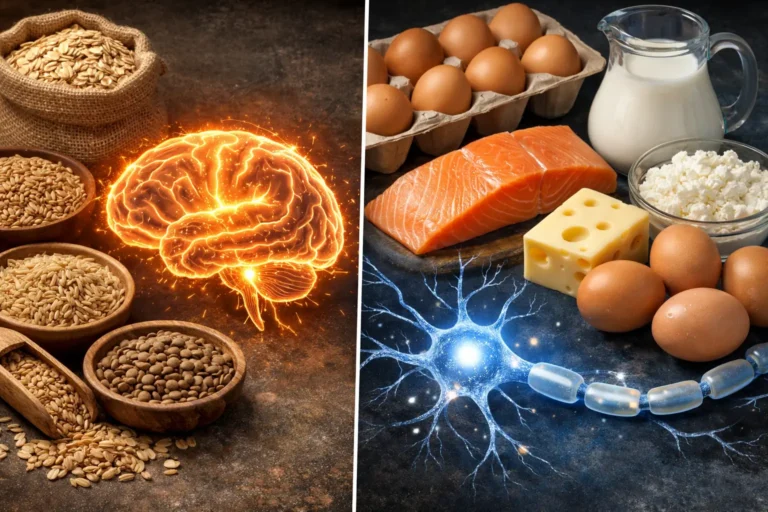
Essential nutrients for adults daily requirements refer to the scientifically recommended daily intake of macronutrients and micronutrients that the body cannot produce in sufficient amounts on its own. These nutrients must be obtained from food to support metabolism, immunity, organ function, hormone balance, and overall health.
Understanding the 6 Major Categories of Essential Nutrients
Before diving into gender differences, we need clarity.
1. Macronutrients (Needed in Large Amounts)
These provide energy and structural support.
Protein
- Builds muscles, enzymes, hormones
- RDA: ~0.8–1 g per kg body weight
- Higher for active individuals
Carbohydrates
- Primary energy source
- Should come from whole grains and fiber-rich foods
Fats
- Supports brain function and hormone production
- Includes essential fatty acids (Omega-3 & Omega-6)
2. Micronutrients (Needed in Small Amounts)
These regulate biological processes.
Vitamins
Organic compounds required for immunity, vision, skin, nerve function, and metabolism.
Examples:
- Vitamin A
- B-complex
- Vitamin C
- Vitamin D
- Vitamin E
- Vitamin K
Minerals
Inorganic elements needed for bones, blood, nerves, and cellular signaling.
Examples:
- Iron
- Calcium
- Magnesium
- Zinc
- Potassium
- Iodine
3. Water
Often overlooked but essential for:
- Nutrient transport
- Temperature regulation
- Detoxification
Essential Nutrients for Adults Daily Requirements: Men vs Women
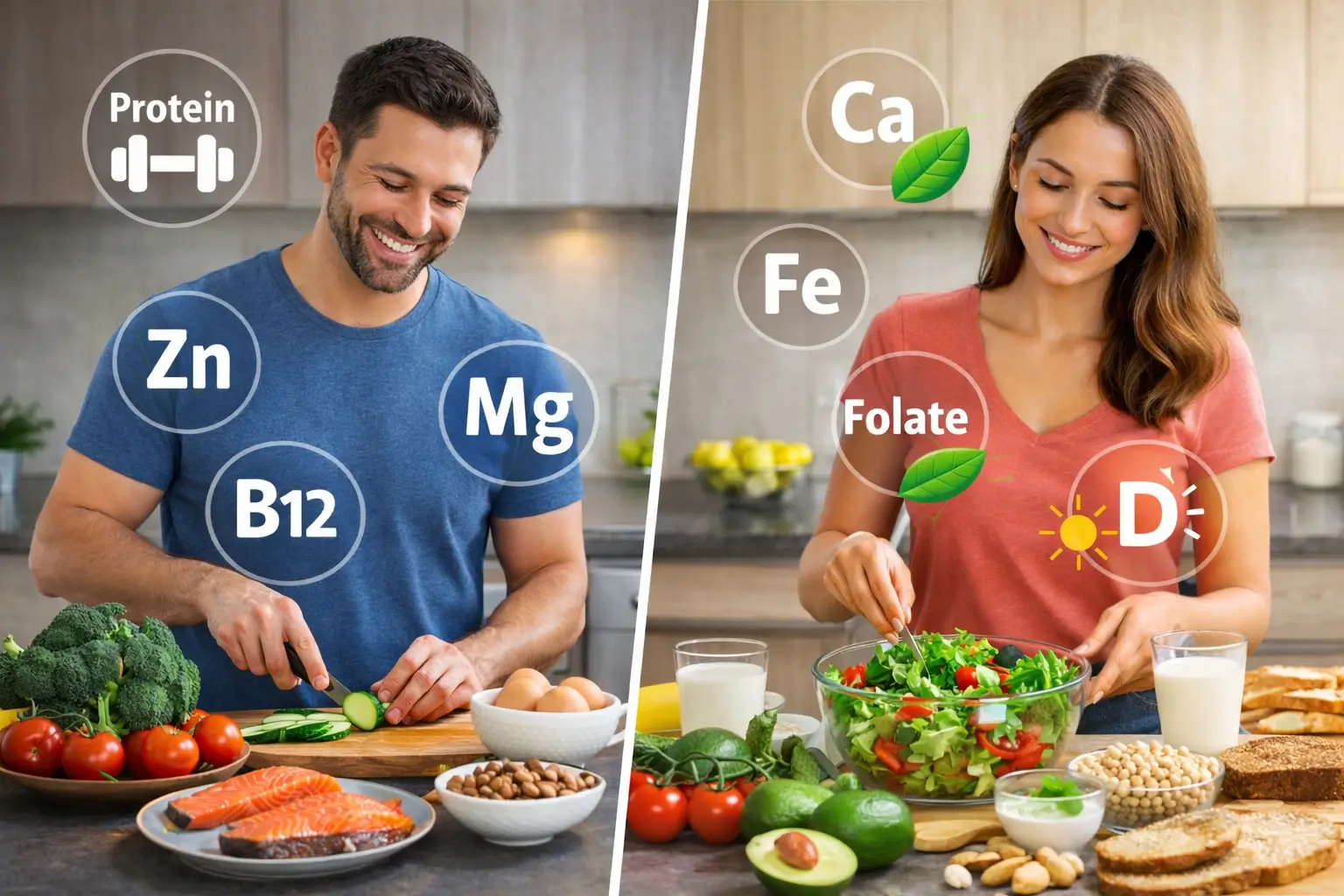
Nutritional needs differ due to hormones, muscle mass, menstruation, and metabolism.
Below is a simplified comparison:
| Nutrient | Adult Men | Adult Women | Why It Matters |
|---|---|---|---|
| Protein | 56 g/day avg | 46 g/day avg | Muscle maintenance |
| Iron | 8 mg | 18 mg (premenopause) | Prevent anemia |
| Calcium | 1000 mg | 1000–1200 mg | Bone health |
| Vitamin D | 600–800 IU | 600–800 IU | Bone + immunity |
| Magnesium | 400–420 mg | 310–320 mg | Nerve & muscle function |
| Zinc | 11 mg | 8 mg | Immunity & hormones |
| Folate | 400 mcg | 400–600 mcg | Cell division |
| Vitamin B12 | 2.4 mcg | 2.4 mcg | Nerve function |
Why Women Often Need More Iron and Folate
Women of reproductive age lose iron during menstruation. This makes iron deficiency one of the most common nutrient gaps worldwide.
Low iron can cause:
- Fatigue
- Pale skin
- Hair thinning
- Brain fog
Folate becomes especially critical for women planning pregnancy, as it supports fetal neural development.
Why Men May Need More Zinc and Magnesium
Men generally have higher lean muscle mass.
Zinc supports:
- Testosterone production
- Immune health
- Wound healing
Magnesium supports:
- Muscle relaxation
- Blood pressure regulation
- Sleep quality
Essential Nutrients for Adults Daily Requirements by Age
Ages 18–30
- Higher metabolism
- Greater protein demand
- Iron important for women
Ages 30–50
- Focus on bone density
- Vitamin D becomes critical
- Monitor cholesterol-supporting nutrients
50+
- Calcium increases (especially women)
- B12 absorption declines
- Protein needs may increase to prevent muscle loss
Signs You May Not Be Meeting Daily Nutrient Requirements
Nutrient deficiency symptoms often develop gradually.
Watch for:
- Constant fatigue
- Frequent infections
- Slow wound healing
- Brittle nails
- Muscle cramps
- Brain fog
- Mood instability
These are not always dramatic — but they matter.
How to Meet Essential Nutrients for Adults Daily Requirements Naturally
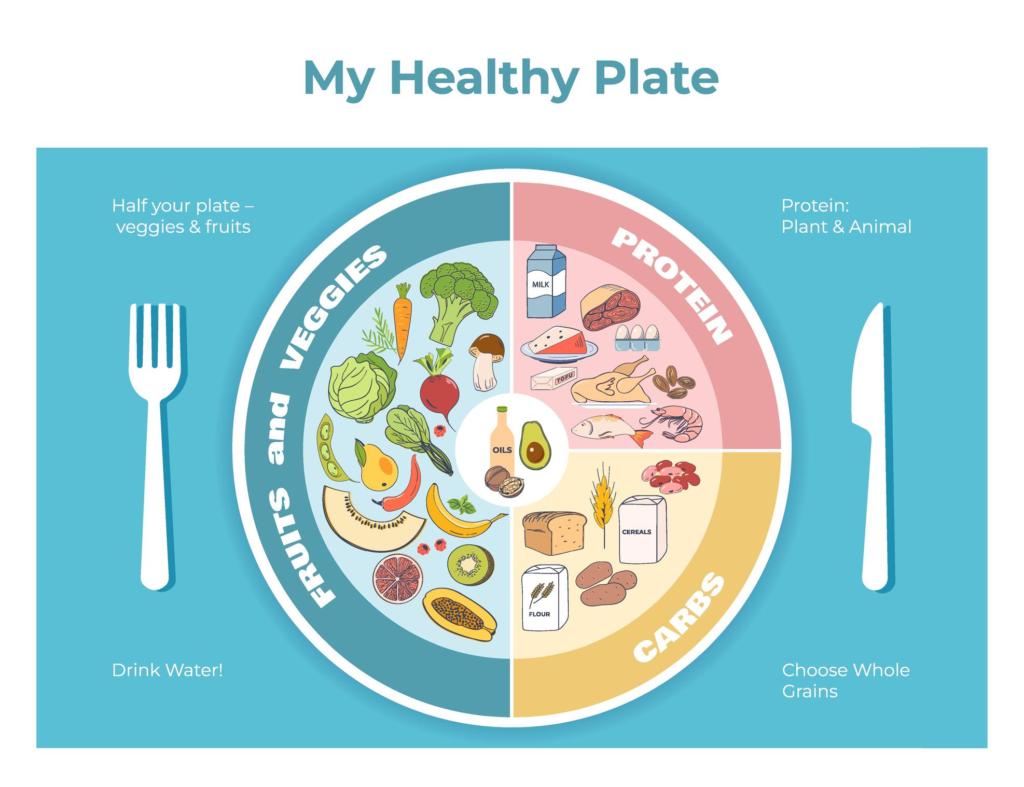
Step 1: Build Balanced Plates
Use the 50-25-25 rule:
- 50% vegetables
- 25% protein
- 25% whole grains
Step 2: Prioritize Nutrient-Dense Foods
Examples:
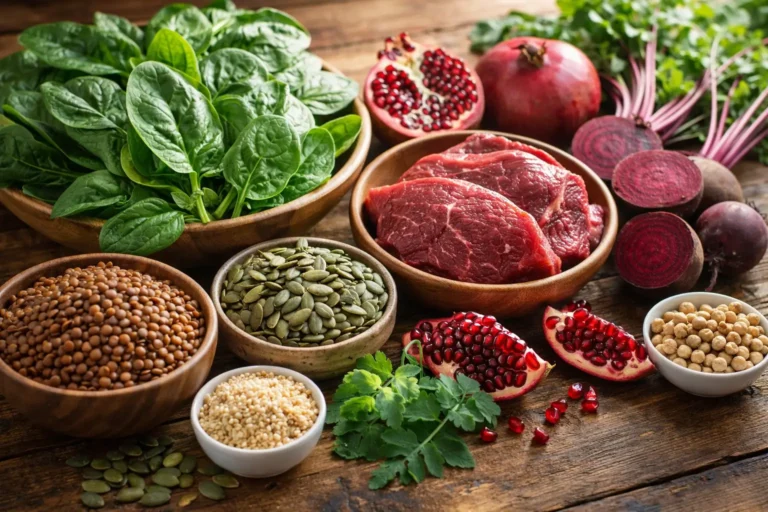
- Leafy greens (iron, folate)
- Lentils (protein, fiber)
- Eggs (B12, choline)
- Fatty fish (Omega-3, Vitamin D)
- Nuts and seeds (magnesium, zinc)
- Dairy or fortified alternatives (calcium)
Step 3: Monitor Common Gaps
Globally common deficiencies include:
- Vitamin D
- Iron (women)
- B12 (vegetarians)
- Magnesium
A simple blood test can help clarify.
Food vs Supplements: What’s Better?
Pros of Food-Based Nutrition
- Better absorption
- Contains fiber and phytonutrients
- Lower risk of overdose
When Supplements Help
- Documented deficiency
- Pregnancy
- Vegan diets (B12)
- Limited sun exposure (Vitamin D)
Always consult a healthcare professional before high-dose supplementation.
Practical Daily Checklist
To meet essential nutrients for adults daily requirements:
- Include 1 protein source in every meal
- Eat 2–3 servings of vegetables daily
- Consume healthy fats (nuts, seeds)
- Get sunlight exposure (15–20 minutes)
- Stay hydrated
- Rotate food variety weekly
Common Myths About Daily Nutrient Requirements
Myth 1: “If I eat enough calories, I’m fine.”
Calories are not equal to nutrients.
Myth 2: “Supplements replace food.”
They supplement — not replace.
Myth 3: “Men and women need the same nutrients.”
The amounts differ significantly.
Frequently Asked Questions
1. What are the essential nutrients for adults daily requirements?
They include protein, carbohydrates, fats, vitamins (A, B-complex, C, D, E, K), minerals (iron, calcium, magnesium, zinc, iodine), and water.
2. Do men and women have different nutrient needs?
Yes. Women generally need more iron and folate, while men often require higher magnesium and zinc due to muscle mass differences.
3. Can I meet all nutrient requirements from diet alone?
In most cases, yes — with a balanced, varied diet. Exceptions include Vitamin D, B12 (vegetarians), or medical conditions.
4. How do I know if I have a nutrient deficiency?
Blood tests are the most reliable method. Symptoms like fatigue or hair loss can be indicators but are not diagnostic alone.
5. What happens if I consistently miss daily nutrient requirements?
Long-term deficiency can lead to anemia, bone loss, weakened immunity, hormonal imbalance, and metabolic disorders.
6. Are daily nutrient requirements the same worldwide?
General RDAs are similar but may vary slightly based on health authorities and regional dietary patterns.
Conclusion: Build Nutrient Awareness, Not Fear
Understanding essential nutrients for adults daily requirements is not about perfection. It is about awareness.
Small daily improvements — better food choices, sunlight, balanced meals — create long-term health resilience.
Nutrition is not a trend. It is a biological necessity.
Start with one improvement this week. Then build from there.
Disclaimer
This article is for educational purposes only and does not replace professional medical advice. Consult a healthcare provider before making significant dietary or supplement changes.