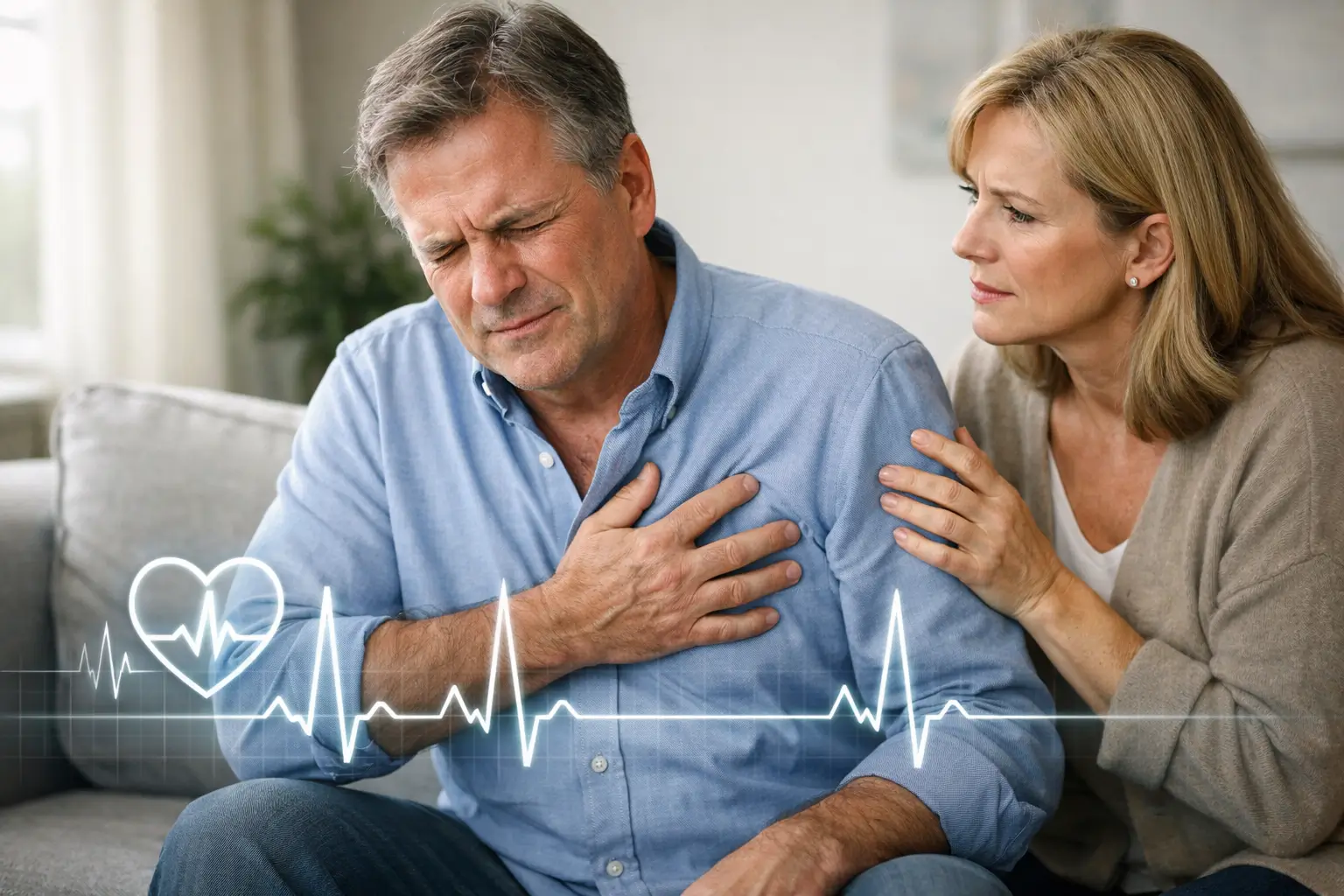

Heart health is one of the most critical aspects of overall well-being. Among the most serious heart-related emergencies is cardiac arrest, a sudden condition where the heart unexpectedly stops beating.
Unlike many other medical conditions that develop slowly, cardiac arrest can occur without warning and within seconds. When this happens, blood flow to the brain and other vital organs stops immediately.
Without prompt treatment, cardiac arrest can lead to death within minutes.
For heart patients and individuals with cardiovascular risk factors, understanding the warning signs and causes of cardiac arrest can literally save lives.
What Is Cardiac Arrest
Cardiac arrest is a sudden loss of heart function, breathing, and consciousness caused by a malfunction in the heart’s electrical system.
Normally, the heart pumps blood through a controlled electrical rhythm. During cardiac arrest, this rhythm becomes chaotic or stops completely.
As a result:
- the heart stops pumping blood
- oxygen supply to the brain stops
- unconsciousness occurs within seconds
Medical experts consider cardiac arrest one of the most critical medical emergencies.
Cardiac Arrest vs Heart Attack
Many people confuse cardiac arrest with a heart attack, but they are different conditions.
Heart Attack
A heart attack occurs when blood flow to a part of the heart muscle becomes blocked, usually by a clot.
Cardiac Arrest
Cardiac arrest occurs when the heart suddenly stops beating due to an electrical problem.
However, a severe heart attack can sometimes trigger cardiac arrest.
Early Warning Signs of Cardiac Arrest
Cardiac arrest often happens suddenly, but some people experience warning symptoms before the event.
Common early signs include:
Chest Pain or Pressure
A feeling of tightness, pressure, or pain in the chest.
Shortness of Breath
Difficulty breathing even during light activity.
Extreme Fatigue
Sudden unexplained tiredness or weakness.
Dizziness
Feeling faint or lightheaded.
Heart Palpitations
Irregular or rapid heartbeat.
Recognizing these symptoms early and seeking medical help can prevent life-threatening complications.
Causes of Cardiac Arrest
Several conditions can trigger cardiac arrest.
Coronary Heart Disease
The most common cause of cardiac arrest.
Abnormal Heart Rhythm
Also called arrhythmia, this disrupts the heart’s electrical signals.
Cardiomyopathy
A disease that weakens heart muscles.
Drug Overdose
Certain drugs can disrupt heart rhythm.
Trauma or Severe Injury
Major accidents can affect heart function.
Risk Factors
Some people have a higher risk of cardiac arrest.
Key risk factors include:
- smoking
- high cholesterol
- high blood pressure
- diabetes
- obesity
- sedentary lifestyle
- family history of heart disease
Heart patients must monitor these risk factors closely.
What Happens During Cardiac Arrest
When cardiac arrest occurs, the heart enters an abnormal rhythm known as ventricular fibrillation.
Instead of pumping blood effectively, the heart quivers.
This leads to:
- immediate loss of pulse
- collapse
- unconsciousness
- lack of breathing
Brain damage can begin within 4 to 6 minutes if blood flow is not restored.
Emergency Treatment
Immediate action is essential.
CPR (Cardiopulmonary Resuscitation)
CPR helps maintain blood circulation until medical help arrives.
Defibrillation
An automated external defibrillator (AED) delivers an electric shock to restore normal heart rhythm.
Emergency Medical Care
Paramedics provide advanced treatment including medications and oxygen therapy.
Quick intervention significantly increases survival chances.
Prevention Strategies
While cardiac arrest cannot always be prevented, the risk can be reduced.
Maintain a Heart-Healthy Diet
Eat foods rich in:
- vegetables
- fruits
- whole grains
- lean protein
Exercise Regularly
Moderate physical activity improves heart strength.
Avoid Smoking
Smoking damages blood vessels and heart tissue.
Control Blood Pressure
Regular monitoring helps prevent complications.
Lifestyle Changes for Heart Patients
Heart patients should take additional precautions.
Recommended habits include:
- regular cardiology checkups
- medication adherence
- stress management
- healthy sleep patterns
These changes help protect heart rhythm and reduce risk.
Expert Tips
Cardiologists often recommend the following preventive steps:
- learn CPR
- monitor cholesterol levels
- maintain healthy weight
- reduce alcohol consumption
- stay physically active
These steps significantly lower cardiovascular risk.
Conclusion
Cardiac arrest remains one of the most dangerous medical emergencies worldwide. However, awareness, early recognition of symptoms, and rapid medical response can save lives.
For heart patients and individuals at risk, adopting healthy lifestyle habits and staying informed about cardiac health is essential.
Remember: knowing the warning signs of cardiac arrest could help save your life or someone else’s.
FAQ
What is cardiac arrest?
Cardiac arrest is a sudden condition where the heart stops beating, causing loss of blood flow to the brain and body.
What causes sudden cardiac arrest?
The most common cause is abnormal heart rhythm, especially ventricular fibrillation.
Can cardiac arrest be prevented?
Risk can be reduced by maintaining heart health, managing blood pressure, exercising, and avoiding smoking.
What is the survival rate of cardiac arrest?
Survival rates vary but increase significantly when CPR and defibrillation are performed quickly.
How does CPR help during cardiac arrest?
CPR maintains blood circulation and oxygen flow to the brain until medical help arrives.
Can young people experience cardiac arrest?
Yes. Although rare, genetic heart conditions can cause cardiac arrest in young adults.
What should you do if someone collapses suddenly?
Call emergency services immediately and start CPR if the person has no pulse or breathing.