
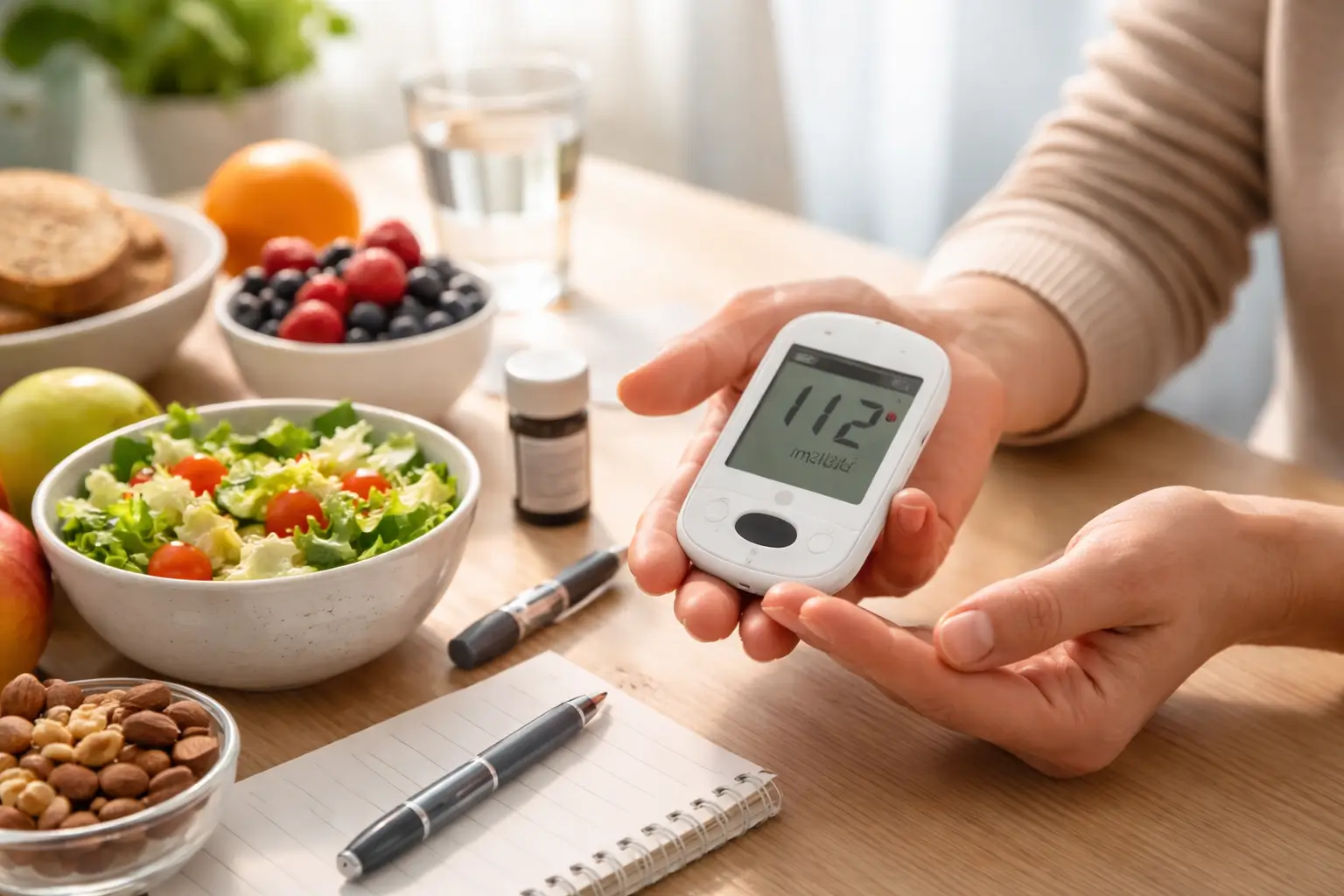

Blood sugar plays a critical role in the body’s energy system. Yet millions of people around the world live with unstable glucose levels without realizing it.
Many early warning signs of high blood sugar are subtle. Because these symptoms often appear gradually, they can easily be ignored until more serious health problems develop.
Understanding how blood sugar works—and how to keep it balanced—can significantly improve long-term health and reduce the risk of chronic diseases like diabetes and heart disease.
What Is Blood Sugar
Blood sugar, also known as blood glucose, refers to the amount of glucose circulating in the bloodstream.
Glucose comes mainly from the carbohydrates we eat. After digestion, it enters the bloodstream and is transported to cells for energy.
The hormone insulin, produced by the pancreas, regulates this process. Insulin allows cells to absorb glucose from the blood and use it for energy.
When this system works properly, blood sugar remains within a healthy range.
However, when insulin production or sensitivity becomes impaired, glucose accumulates in the bloodstream, leading to high blood sugar.
Normal Blood Sugar Levels
Doctors generally classify healthy blood sugar ranges as follows:
Fasting blood sugar
- Normal: 70–99 mg/dL
- Prediabetes: 100–125 mg/dL
- Diabetes: 126 mg/dL or higher
Blood sugar after meals
- Normal: under 140 mg/dL
- Prediabetes: 140–199 mg/dL
- Diabetes: 200 mg/dL or higher
Keeping glucose within these ranges is essential for maintaining metabolic health.
Signs of High Blood Sugar
High blood sugar, medically called hyperglycemia, often develops slowly.
Here are some common warning signs.
Frequent Thirst
When glucose levels rise, the kidneys work harder to remove excess sugar from the blood. This process causes dehydration, which triggers increased thirst.
Frequent Urination
High glucose levels force the kidneys to produce more urine to remove excess sugar from the body.
Fatigue
When cells cannot effectively absorb glucose, the body lacks energy. This often leads to persistent fatigue or weakness.
Blurred Vision
Elevated glucose levels can cause temporary swelling in the eye lens, resulting in blurry vision.
Slow Healing
High blood sugar damages blood vessels and reduces circulation, slowing the healing process of wounds or infections.
Causes of High Blood Sugar
Several lifestyle and medical factors contribute to high blood sugar.
Poor Diet
Consuming large amounts of refined carbohydrates and sugary foods can lead to rapid spikes in blood sugar.
Lack of Physical Activity
Exercise helps muscles use glucose for energy. Without regular activity, glucose levels remain elevated.
Insulin Resistance
In many people, cells gradually become resistant to insulin. This forces the pancreas to produce more insulin to keep blood sugar stable.
Over time, the pancreas may struggle to maintain this demand.
Risks of Uncontrolled Blood Sugar
Long-term high blood sugar can cause serious health complications.
Diabetes
Persistent high blood sugar is the hallmark of type 2 diabetes.
Heart Disease
High glucose damages blood vessels and increases the risk of cardiovascular disease.
Nerve Damage
Diabetic neuropathy can cause pain, numbness, and weakness in the limbs.
Kidney Damage
Chronic high blood sugar can damage the kidneys’ filtration system.
How to Lower Blood Sugar Naturally
Fortunately, several lifestyle strategies can help stabilize glucose levels.
Exercise Regularly
Physical activity helps muscles absorb glucose more efficiently.
Even 30 minutes of daily walking can significantly improve blood sugar control.
Eat a Balanced Diet
Focus on foods with a low glycemic index, such as:
- vegetables
- whole grains
- lean proteins
- healthy fats
Avoid highly processed foods and sugary beverages.
Improve Sleep
Poor sleep disrupts hormones that regulate blood sugar and appetite.
Adults should aim for 7–9 hours of sleep per night.
Manage Stress
Stress hormones like cortisol can increase blood sugar levels.
Techniques such as meditation, breathing exercises, and yoga can help reduce stress.
Common Mistakes That Raise Blood Sugar
Many everyday habits unknowingly raise blood sugar levels.
Common mistakes include:
- skipping meals
- eating excessive refined carbs
- poor sleep habits
- chronic stress
- lack of physical activity
Correcting these behaviors can dramatically improve glucose stability.
Expert Tips for Blood Sugar Control
Health experts recommend the following habits:
• Eat balanced meals with protein and fiber
• Avoid sugary drinks
• Walk after meals
• Maintain a healthy weight
• Monitor blood sugar regularly
These strategies help maintain insulin sensitivity and metabolic health.
Real-Life Example
A 45-year-old office worker with prediabetes adopted simple lifestyle changes:
- daily 30-minute walks
- reduced sugar intake
- improved sleep schedule
Within six months, his fasting blood sugar dropped from 112 mg/dL to 92 mg/dL, returning to the normal range.
Key Statistics About Blood Sugar
- Over 537 million adults worldwide live with diabetes
- Nearly 1 in 3 adults has prediabetes
- Type 2 diabetes accounts for 90% of diabetes cases
These numbers highlight the importance of early blood sugar awareness.
Conclusion
Blood sugar plays a vital role in overall health. When glucose levels remain balanced, the body functions efficiently and energy levels remain stable.
However, persistent high blood sugar can silently damage organs and increase the risk of serious diseases.
By adopting healthy lifestyle habits—such as balanced nutrition, regular exercise, and stress management—most people can significantly improve blood sugar control and protect their long-term health.
FAQ
What is a normal blood sugar level?
Normal fasting blood sugar ranges from 70 to 99 mg/dL.
What causes high blood sugar?
Common causes include poor diet, insulin resistance, stress, and lack of physical activity.
Can walking reduce blood sugar?
Yes. Light exercise after meals helps muscles use glucose for energy.
What foods lower blood sugar?
Fiber-rich foods, whole grains, vegetables, and lean protein help stabilize blood sugar.
What is dangerous blood sugar level?
Blood sugar above 300 mg/dL can be dangerous and requires medical attention.
Disclaimer
This article is for informational purposes only and should not replace professional medical advice. Always consult a healthcare provider for diagnosis or treatment.