
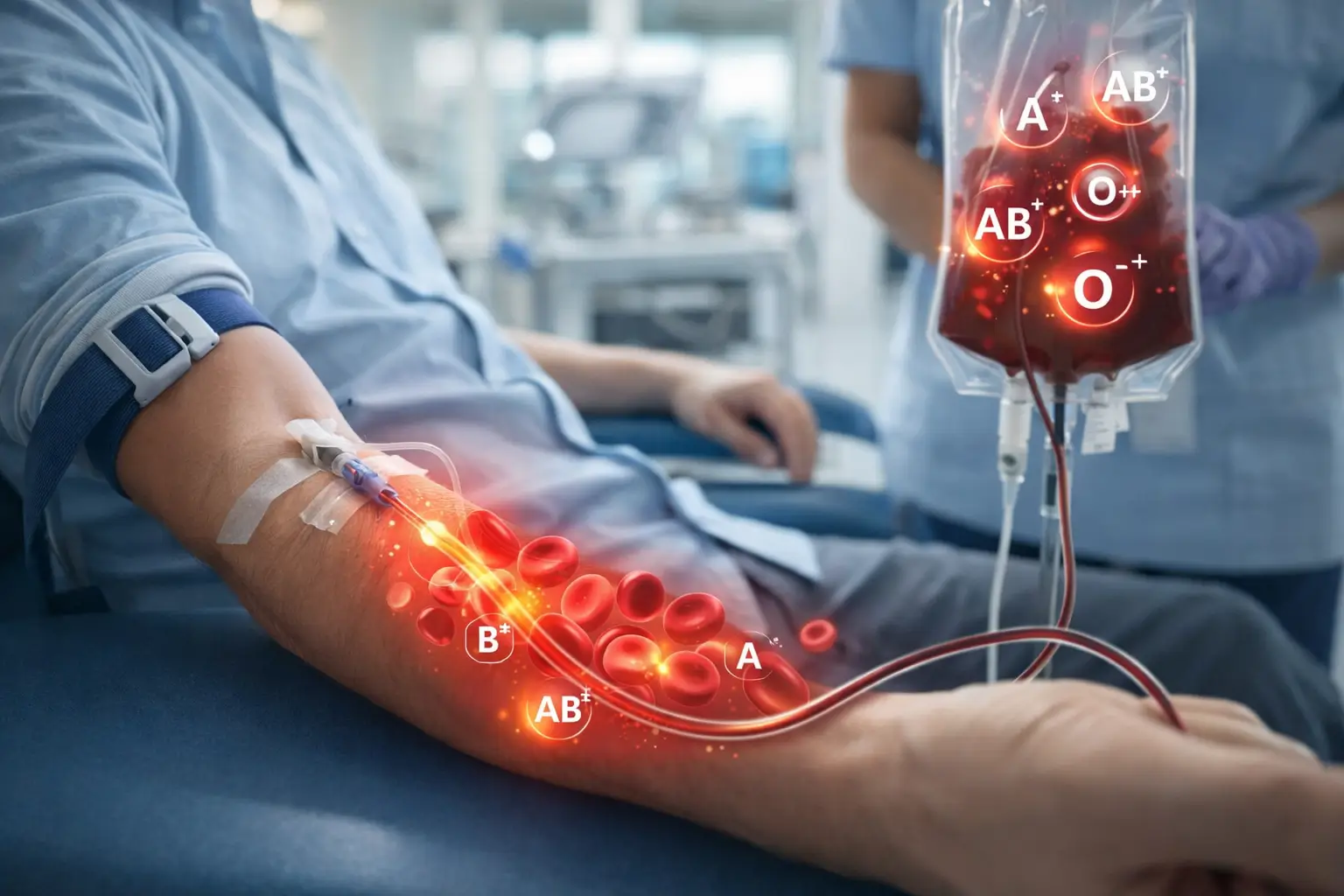

Blood is one of the most vital components of the human body. It carries oxygen, nutrients, hormones, and immune cells throughout the body, helping organs function properly. But one fascinating aspect of blood that many people overlook is blood groups. Every human being belongs to a specific blood type that plays a crucial role in medical treatments, blood transfusions, and even pregnancy care.
Understanding blood groups is not just a scientific curiosity—it can literally save lives. In emergencies such as accidents, surgeries, or severe blood loss, the correct blood type can mean the difference between life and death.
In this article, we will explore nine amazing facts about blood groups that everyone should know. These facts can help you understand your own health better and may even inspire you to become a blood donor.
What Are Blood Groups?
A blood group is a classification of blood based on the presence or absence of certain antigens on the surface of red blood cells. These antigens are proteins that trigger immune responses in the body.
The most widely used system for classifying blood groups is the ABO system, which divides blood into four main types:
- Blood Group A
- Blood Group B
- Blood Group AB
- Blood Group O
In addition to this system, blood is also categorized by the Rh factor, which determines whether blood is positive (+) or negative (-). Combining these systems gives us eight major blood types:
- A+
- A−
- B+
- B−
- AB+
- AB−
- O+
- O−
Each blood type has unique compatibility rules for transfusions.
Why Blood Groups Matter in Medicine
Blood groups are extremely important in healthcare. Doctors must ensure compatibility before performing blood transfusions because receiving incompatible blood can trigger severe immune reactions.
Blood groups also play a role in:
- Organ transplantation
- Pregnancy monitoring
- Emergency trauma care
- Genetic research
Because of these reasons, hospitals maintain strict blood typing procedures and rely on blood donors to maintain adequate blood supplies.
1. O Negative Is Known as the Universal Donor
One of the most remarkable facts about blood groups is that O negative blood can be given to almost anyone.
People with O− blood are called universal donors because their blood lacks the A, B, and Rh antigens that trigger immune reactions in recipients.
This makes O negative blood extremely valuable during emergencies when doctors may not have time to determine a patient’s blood type.
Because of this, hospitals often keep O negative blood reserved for trauma cases and emergency surgeries.
2. AB Positive Is the Universal Recipient
While O negative can donate to anyone, AB positive individuals can receive blood from all blood types.
This is because their blood contains both A and B antigens and does not produce antibodies against other blood groups.
For this reason, AB positive individuals are called universal recipients.
However, despite this advantage, AB positive is relatively rare compared to other blood types.
3. Some Blood Types Are Extremely Rare
Not all blood groups are equally common. Some blood types are very rare and difficult to find in blood banks.
For example:
- AB negative is one of the rarest blood types worldwide.
- Certain extremely rare blood types occur in fewer than 1 in 1 million people.
These rare blood groups require special donor registries to ensure compatible blood can be found during medical emergencies.
4. Blood Types Are Inherited From Your Parents
Your blood group is determined by genetics. It is inherited from your parents through specific genes that control blood type antigens.
Each parent passes one gene to their child, which combines to determine the child’s blood group.
For example:
- Parents with blood type A and B can have children with A, B, AB, or O blood types.
- Two parents with O blood type can only have children with O blood type.
This genetic inheritance explains why blood types often run in families.
5. Blood Groups Play a Role in Pregnancy
Blood type compatibility between a mother and her baby can affect pregnancy outcomes.
A common concern occurs when:
- The mother is Rh negative
- The baby is Rh positive
In such cases, the mother’s immune system may produce antibodies against the baby’s blood cells.
Fortunately, modern medicine uses special treatments called Rh immunoglobulin injections to prevent complications.
Thanks to these medical advances, Rh incompatibility rarely causes serious problems today.
6. Blood Donation Can Save Multiple Lives
One of the most powerful facts about blood donation is that a single blood donation can help save up to three lives.
Donated blood is separated into components such as:
- Red blood cells
- Plasma
- Platelets
Each component can be used to treat different patients.
For example:
- Cancer patients often need platelets.
- Accident victims require red blood cells.
- Burn patients benefit from plasma.
This makes blood donation one of the most impactful ways to help others.
7. Blood Types May Influence Disease Risk
Some scientific studies suggest that blood groups may influence the risk of certain diseases.
Research has shown potential links between blood types and conditions such as:
- heart disease
- stomach cancer
- blood clotting disorders
For example, some studies suggest that people with blood group O may have a lower risk of heart disease compared to other groups.
However, it is important to note that blood type is only one factor among many that influence health.
Lifestyle habits such as diet, exercise, and smoking have a much greater impact on overall health.
8. Blood Type Does Not Determine Personality
In some cultures, especially in parts of East Asia, there is a belief that blood type influences personality traits.
For example:
- Type A individuals are said to be organized and responsible.
- Type B individuals are believed to be creative and independent.
However, there is no strong scientific evidence supporting this idea.
Modern psychology considers personality to be influenced by many factors including genetics, environment, and life experiences.
9. Artificial Blood May Become Possible in the Future
Scientists are currently researching ways to develop synthetic blood substitutes that could help address global blood shortages.
Artificial blood could potentially:
- Provide emergency transfusions without blood typing
- Reduce reliance on human donors
- Improve treatment during disasters or military operations
Although artificial blood is still under development, advances in biotechnology may make it a reality in the future.
Until then, human blood donation remains essential for saving lives.
Why Everyone Should Know Their Blood Group
Knowing your blood group is extremely important. In emergencies, it allows doctors to quickly provide the correct treatment.
You should consider getting your blood type tested if you do not already know it. Blood typing tests are simple and widely available in hospitals and clinics.
Additionally, if you are healthy and eligible, consider becoming a regular blood donor. Blood banks rely on volunteers to maintain life-saving supplies.
Conclusion
Blood groups are more than just medical labels—they are a critical part of modern healthcare. From blood transfusions and organ transplants to pregnancy care and emergency medicine, blood types play an essential role in saving lives.
Understanding your blood group helps you stay informed about your health and prepares you for medical emergencies. It also highlights the importance of blood donation in supporting hospitals and patients around the world.
By learning these nine amazing facts about blood groups, you can better appreciate the incredible science behind human blood—and the life-saving impact it has every day.
Frequently Asked Questions
What are the four main blood groups?
The four main blood groups are A, B, AB, and O according to the ABO blood classification system.
Which blood group is the rarest?
AB negative is considered one of the rarest blood types globally.
Which blood group is the universal donor?
O negative blood is known as the universal donor because it can be given to most patients.
Which blood group is the universal recipient?
AB positive individuals can receive blood from all blood types.
How can I find my blood group?
A simple blood typing test at a hospital, clinic, or blood donation center can determine your blood group.
Can blood type change over time?
No. Blood type is genetically determined and remains the same throughout a person’s life.
Disclaimer
This article is for educational purposes only and should not replace professional medical advice. Always consult a qualified healthcare professional for medical guidance or treatment.
Medical experts recommend knowing your blood type and donating blood regularly because blood banks depend on voluntary donors to support hospitals.
This article is written based on medical research and verified information from trusted healthcare institutions and hematology studies.
