
Every second, millions of tiny warriors travel through your body — silently working to keep you alive. These microscopic components, known as blood cells, are responsible for oxygen delivery, fighting infections, and healing injuries.
Most people never think about them until something goes wrong. But understanding your blood cells can completely change how you approach your health.
Let’s break it down in a simple, practical way.
What Are Blood Cells?
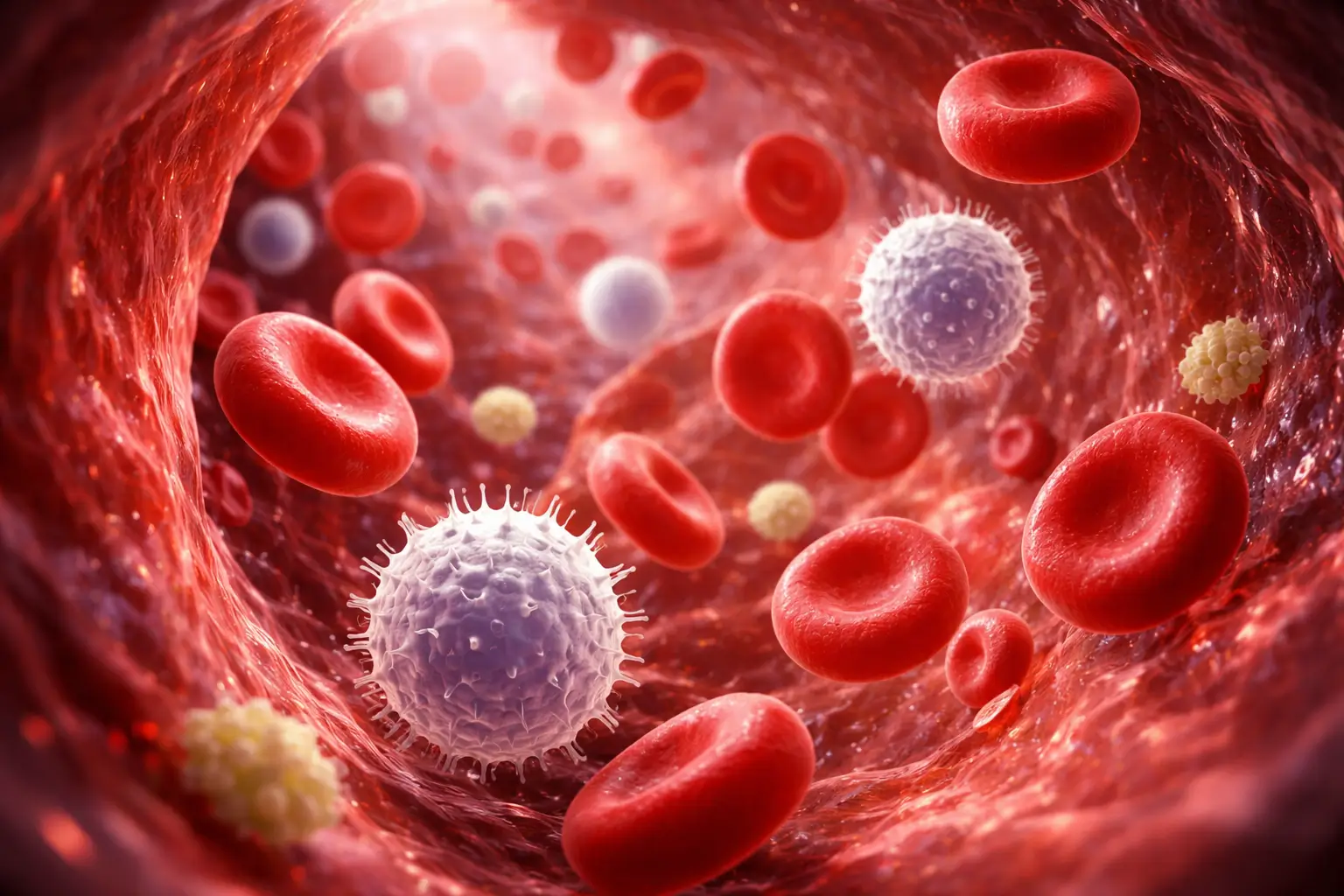
Blood cells are specialized cells circulating in your bloodstream. They are produced in the bone marrow and play critical roles in survival.
There are three main types of blood cells:
- Red Blood Cells (RBCs)
- White Blood Cells (WBCs)
- Platelets
Each type has a unique function, but together, they form a powerful system that maintains your body’s balance.
Types of Blood Cells and Their Functions
1. Red Blood Cells (RBCs)
Red blood cells are the most abundant cells in your blood.
Main function: Transport oxygen
They contain hemoglobin, a protein that binds oxygen and delivers it from your lungs to the rest of your body.
Key roles:
- Carry oxygen to tissues
- Remove carbon dioxide
- Maintain energy levels
👉 Low RBC count can lead to fatigue, weakness, and anemia.
2. White Blood Cells (WBCs)
White blood cells are your body’s defense system.
Main function: Fight infections
They protect against bacteria, viruses, and harmful invaders.
Types include:
- Neutrophils
- Lymphocytes
- Monocytes
- Eosinophils
- Basophils
Key roles:
- Destroy pathogens
- Support immune response
- Prevent diseases
👉 A low WBC count can weaken immunity.
3. Platelets
Platelets are small but extremely important.
Main function: Blood clotting
Whenever you get injured, platelets rush to the site and form clots to stop bleeding.
Key roles:
- Prevent excessive bleeding
- Repair damaged blood vessels
- Support healing
👉 Low platelet count can lead to excessive bleeding or bruising.
Why Blood Cells Are Important for Your Health
Blood cells are not just biological components — they are life-sustaining systems.
Here’s why they matter:
- Oxygen delivery keeps organs functioning
- Immune protection prevents infections
- Clotting prevents dangerous blood loss
- Nutrient transport supports metabolism
Without healthy blood cells, your body cannot function properly.
How Blood Cells Are Produced
Blood cells are created in the bone marrow through a process called hematopoiesis.
Process:
- Stem cells develop in bone marrow
- They differentiate into RBCs, WBCs, or platelets
- Cells are released into the bloodstream
This process runs continuously throughout your life.
Signs Your Blood Cells May Be Unhealthy
Pay attention to these warning signs:
- Constant fatigue
- Frequent infections
- Easy bruising or bleeding
- Pale skin
- Shortness of breath
These symptoms may indicate issues like anemia, infections, or blood disorders.
Expert Tip
👉 Maintain a nutrient-rich diet to support blood cell production.
Focus on:
- Iron (spinach, jaggery, lentils)
- Vitamin B12 (milk, eggs)
- Folic acid (leafy greens)
- Protein (dal, nuts, seeds)
Proper nutrition directly impacts your blood health.
Common Mistakes People Make
Many people unknowingly harm their blood health.
Avoid these mistakes:
- Ignoring fatigue or weakness
- Poor diet lacking iron and vitamins
- Excess junk food consumption
- Not staying hydrated
- Self-medicating without diagnosis
Small habits can lead to major health issues over time.
Real-Life Example
Ravi, a 28-year-old office worker, constantly felt tired and weak. He ignored the symptoms for months.
After a routine test, he was diagnosed with low hemoglobin (anemia) due to poor diet.
After improving his nutrition and lifestyle:
- Energy levels improved
- Immunity increased
- Overall health stabilized
👉 This shows how critical blood cells are in everyday life.
How to Keep Your Blood Cells Healthy
Follow these practical tips:
1. Eat a Balanced Diet
Include:
- Iron-rich foods
- Vitamins B12 & C
- Protein sources
2. Stay Hydrated
Water helps maintain blood volume and circulation.
3. Exercise Regularly
Improves blood flow and oxygen delivery.
4. Get Regular Checkups
Early detection prevents complications.
5. Avoid Smoking & Alcohol
These damage blood cells over time.
Blood Cell Disorders You Should Know
Some common disorders include:
- Anemia – Low RBC count
- Leukemia – Cancer of WBCs
- Thrombocytopenia – Low platelet count
Early diagnosis is key to treatment.
Quick Summary
- Blood cells are essential for survival
- Three types: RBCs, WBCs, Platelets
- They carry oxygen, fight infection, and clot blood
- Produced in bone marrow
- Lifestyle and nutrition directly affect them
Conclusion
Your blood cells are working 24/7 to keep you alive — yet most people ignore them until problems arise.
By understanding how they function and taking simple steps to maintain them, you can significantly improve your overall health.
👉 Start today:
Eat better, stay active, and listen to your body.
Your blood health is your life foundation.
Disclaimer
This article is for informational purposes only and does not replace professional medical advice. Always consult a qualified healthcare provider for diagnosis or treatment.