


Gaining weight sounds easy—just eat more food, right? In reality, healthy weight gain is far more structured than simply increasing calories. Many people struggle to gain weight despite eating regularly because their meals lack the right balance of protein, carbohydrates, and healthy fats.
A well-designed weight gain meal plan focuses on nutrient-dense foods, strategic calorie intake, and consistent eating habits. Whether you are underweight, starting strength training, recovering from illness, or simply trying to build muscle mass, the right meal structure can make a noticeable difference within weeks.
This guide provides a complete 7 day weight gain meal plan, along with practical nutrition strategies that help beginners and professionals gain weight safely, efficiently, and sustainably.
Understanding Healthy Weight Gain
Before diving into the meal plan, it’s important to understand what healthy weight gain actually means.
Healthy weight gain focuses on increasing:
- Lean muscle mass
- Healthy fat stores
- Overall strength and energy
It avoids excessive consumption of processed foods, sugar-heavy snacks, and empty calories.
Key principles of a healthy weight gain diet
- Maintain a calorie surplus
- Eat protein-rich meals throughout the day
- Include healthy fats for calorie density
- Add complex carbohydrates for energy
- Eat 5–6 meals daily instead of 2–3 large ones
Nutritionists generally recommend consuming 300–500 extra calories per day for gradual weight gain and up to 700–1000 extra calories for faster weight gain.
Nutrients That Support Weight Gain
A successful high calorie meal plan for weight gain balances three macronutrients.
1. Protein (Muscle Building)
Protein helps repair and build muscle tissue.
Good sources include:
- Eggs
- Chicken
- Paneer
- Lentils
- Greek yogurt
- Whey protein
- Tofu
- Fish
Recommended intake:
1.6–2.2 grams per kg body weight
2. Complex Carbohydrates (Energy Source)
Carbohydrates provide energy and help prevent muscle breakdown.
Best options:
- Oats
- Brown rice
- Whole wheat roti
- Sweet potatoes
- Quinoa
- Bananas
- Whole grain bread
3. Healthy Fats (Calorie Density)
Healthy fats help increase calories without excessive food volume.
Examples:
- Peanut butter
- Almonds
- Walnuts
- Olive oil
- Avocados
- Seeds
Just one tablespoon of healthy fat adds 100–120 calories, making them useful for weight gain.
7 Day Weight Gain Meal Plan
This 7 day meal plan for weight gain includes balanced meals designed to increase calorie intake while supporting overall health.
Each day includes:
- Breakfast
- Mid-morning snack
- Lunch
- Evening snack
- Dinner
- Optional bedtime snack
Daily calorie range: 2500–3000 calories
Day 1 Meal Plan
Breakfast
- Oatmeal with milk
- 2 boiled eggs
- Banana
- Handful of almonds
Mid-Morning Snack
- Peanut butter sandwich
- Fresh fruit smoothie
Lunch
- Brown rice
- Grilled chicken or paneer
- Mixed vegetables
- Yogurt
Evening Snack
- Handful of walnuts
- Protein shake
Dinner
- Whole wheat roti
- Lentil curry
- Vegetable stir fry
- Salad
Bedtime Snack
- Warm milk with honey
Day 2 Meal Plan
Breakfast
- Vegetable omelette
- Whole grain toast
- Avocado slices
- Orange juice
Mid-Morning Snack
- Greek yogurt with honey and granola
Lunch
- Quinoa bowl with chickpeas
- Roasted vegetables
- Cottage cheese
Evening Snack
- Peanut butter banana smoothie
Dinner
- Grilled fish or tofu
- Brown rice
- Steamed broccoli
Bedtime Snack
- Handful of mixed nuts
Day 3 Meal Plan
Breakfast
- Smoothie bowl with oats, banana, and peanut butter
- Boiled eggs
Mid-Morning Snack
- Cheese sandwich
- Apple
Lunch
- Whole wheat pasta with chicken or paneer
- Green salad
Evening Snack
- Protein shake
- Trail mix
Dinner
- Sweet potato mash
- Grilled vegetables
- Lentil soup
Bedtime Snack
- Milk with soaked almonds
Day 4 Meal Plan
Breakfast
- Paneer paratha with yogurt
- Banana milkshake
Mid-Morning Snack
- Handful of cashews
- Fruit bowl
Lunch
- Rice with rajma (kidney beans)
- Salad
- Curd
Evening Snack
- Peanut butter toast
- Protein smoothie
Dinner
- Chicken curry or tofu curry
- Whole wheat roti
- Vegetables
Bedtime Snack
- Cottage cheese
Day 5 Meal Plan
Breakfast
- Oats cooked in milk with nuts
- Scrambled eggs
Mid-Morning Snack
- Smoothie with banana, milk, and peanut butter
Lunch
- Brown rice
- Grilled salmon or paneer
- Stir-fried vegetables
Evening Snack
- Yogurt with granola
Dinner
- Whole wheat chapati
- Lentil curry
- Mixed vegetable sabzi
Bedtime Snack
- Milk and dates
Day 6 Meal Plan
Breakfast
- Whole grain pancakes
- Peanut butter
- Fruit
Mid-Morning Snack
- Protein shake
- Almonds
Lunch
- Chicken rice bowl or tofu rice bowl
- Vegetables
Evening Snack
- Cheese sandwich
- Smoothie
Dinner
- Sweet potato
- Lentil soup
- Green salad
Bedtime Snack
- Yogurt with honey
Day 7 Meal Plan
Breakfast
- Vegetable omelette
- Whole grain toast
- Milk
Mid-Morning Snack
- Peanut butter banana smoothie
Lunch
- Brown rice
- Chicken or paneer curry
- Vegetables
Evening Snack
- Nuts and dried fruits
Dinner
- Whole wheat roti
- Lentil dal
- Stir-fried vegetables
Bedtime Snack
- Warm milk
Practical Tips to Gain Weight Faster
A structured diet plan for weight gain works best when combined with smart habits.
Eat more frequently
Instead of 3 meals per day, aim for:
- 3 main meals
- 2–3 calorie-dense snacks
Add calorie boosters to meals
Simple additions can significantly increase calories:
- Olive oil in vegetables
- Peanut butter in smoothies
- Nuts in oatmeal
- Cheese in sandwiches
Drink high-calorie smoothies
Weight gain smoothies are effective because they provide calories without making you feel overly full.
Example smoothie:
- Milk
- Banana
- Peanut butter
- Oats
- Protein powder
This can provide 400–600 calories in one serving.
Strength training improves weight gain
If the goal is muscle gain, combine your meal plan with resistance training.
Focus on compound exercises:
- Squats
- Deadlifts
- Bench press
- Pull-ups
Training stimulates muscle growth and improves nutrient utilization.
Foods That Help With Weight Gain
Certain foods provide high calories and valuable nutrients, making them ideal for a weight gain diet.
Best options include:
High-calorie healthy foods:
- Nuts and seeds
- Peanut butter
- Whole milk
- Cheese
- Eggs
- Avocados
- Oats
- Rice
- Sweet potatoes
- Dark chocolate
Common Mistakes When Trying to Gain Weight
Many people struggle with weight gain due to common dietary mistakes.
1. Skipping meals
Consistency matters more than occasional overeating.
2. Eating low-calorie foods only
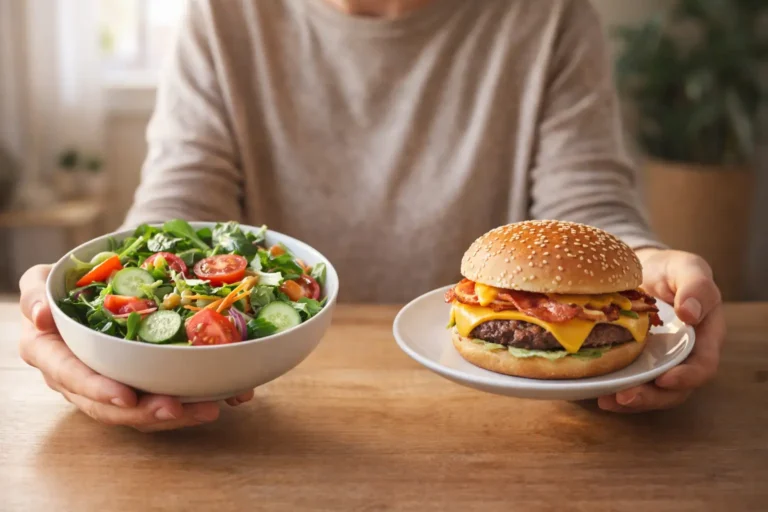
Salads and soups alone will not provide enough calories.
3. Not consuming enough protein
Protein is essential for muscle growth.
4. Relying only on junk food
Fast food may increase weight but can harm long-term health.
Frequently Asked Questions
How many calories should I eat to gain weight?
Most people need 300–500 extra calories per day for gradual weight gain. Athletes or individuals with fast metabolism may require 700–1000 extra calories daily.
Can I gain weight in 7 days?
Significant weight gain usually takes several weeks. However, following a structured weight gain meal plan can help start the process and improve calorie intake quickly.
What is the best breakfast for weight gain?
High-calorie breakfasts work best. Good examples include:
- Oats with nuts and milk
- Eggs and whole grain toast
- Peanut butter banana smoothie
Are smoothies good for weight gain?
Yes. Smoothies are one of the easiest ways to increase calorie intake without feeling overly full.
Is junk food helpful for gaining weight?
Occasionally eating calorie-dense foods is fine, but relying on junk food can increase body fat and harm metabolic health.
Can vegetarians follow a weight gain meal plan?
Yes. Vegetarian sources of calories and protein include:
- Paneer
- Lentils
- Tofu
- Nuts
- Seeds
- Dairy products
How long does healthy weight gain take?
Safe weight gain usually occurs at 0.25–0.5 kg per week, depending on calorie intake and physical activity.
Conclusion
Healthy weight gain requires more than simply eating larger portions. It involves consistent calorie intake, balanced nutrition, and smart meal timing.
This 7 day weight gain meal plan provides a structured approach to increasing calories while maintaining nutritional balance. By combining protein-rich foods, complex carbohydrates, and healthy fats, individuals can support muscle growth, improve energy levels, and gradually reach their target weight.
Consistency is key. Small dietary improvements repeated daily often produce better long-term results than drastic short-term changes.
Disclaimer
This article is intended for educational purposes only and should not replace professional medical or nutritional advice. Individuals with medical conditions or specific dietary needs should consult a qualified healthcare professional or registered dietitian before making significant dietary changes.



This is such a complete and practical guide! I really appreciate how you emphasized that healthy weight gain isn’t just about eating more it’s about eating the right balance of protein, complex carbs, and healthy fats. The 7-day meal plan is incredibly helpful, especially the inclusion of snacks and bedtime options. The tips on calorie boosters like adding olive oil, peanut butter, and nuts to meals are genius. Thank you for sharing this valuable information it’s helpful for anyone looking to gain weight the right way. Please keep writing more blogs like this!
Low price medical tests in Hyderabad