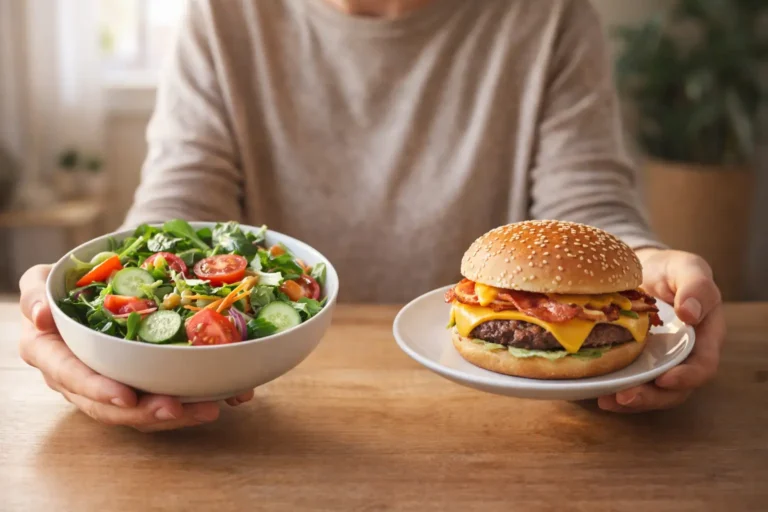


Introduction: Can You Build Muscle Without Supplements?
Walk into any gym, and you’ll hear the same advice — “You need whey protein.”
But what if you prefer real food? What if you’re vegetarian, on a budget, or simply want a natural approach?
A gym diet without supplements is not only possible — it can be highly effective when structured correctly. Muscle growth depends on protein intake, calorie balance, nutrient timing, recovery, and consistency — not just powders.
This detailed 7-day plan will show you how to eat for muscle gain, strength, and fat loss using whole foods only. No whey. No mass gainers. Just real, affordable nutrition.
What Is a Gym Diet Without Supplements?
A gym diet without supplements is a structured meal plan that supports muscle gain, fat loss, and workout recovery using only whole foods such as eggs, dairy, legumes, grains, fruits, vegetables, nuts, and lean meats — without relying on protein powders, creatine, or commercial supplements.
Understanding the Science Behind Muscle Growth
Before jumping into the 7-day gym diet without supplements, it’s important to understand how muscle growth works.
Muscle Protein Synthesis (MPS)
Muscle grows when muscle protein synthesis exceeds muscle breakdown. This happens when:
- You perform resistance training
- You consume adequate protein
- You maintain proper calorie intake
Protein provides amino acids — especially leucine — which trigger muscle repair.
How Much Protein Do You Need?
For gym beginners and intermediates:
- 1.6–2.2 grams protein per kg body weight per day
Example:
- 70 kg person → 112–154 grams protein daily
This amount can absolutely be achieved with food alone.
Key Principles of a Gym Diet Without Supplements
1. Prioritize High-Quality Protein Sources
Natural protein-rich foods:
- Eggs
- Paneer
- Greek yogurt (curd)
- Chicken breast
- Fish
- Soy chunks
- Lentils (dal)
- Chickpeas
- Tofu
2. Balance Macronutrients
- Protein → Muscle repair
- Carbohydrates → Workout energy
- Fats → Hormonal balance
3. Maintain Calorie Balance
- Calorie surplus → Muscle gain
- Calorie deficit → Fat loss
- Maintenance → Body recomposition
7-Day Gym Diet Without Supplements (Detailed Plan)
This plan assumes moderate gym training 4–5 times per week.
Day 1 – Balanced Muscle Start
Breakfast
- 3 whole eggs
- 2 brown bread slices
- 1 banana
Mid-Morning
- Handful roasted chana
- 1 apple
Lunch
- 1 cup rice
- Dal
- Paneer sabzi
- Salad
Pre-Workout
- Black coffee (optional)
- 1 banana
Post-Workout
- 200g curd
- Boiled potatoes
Dinner
- 2 roti
- Mixed vegetables
- Chicken breast / Tofu
Day 2 – Higher Protein Emphasis
Breakfast
- Vegetable oats with peanuts
- 2 boiled eggs
Lunch
- Brown rice
- Rajma
- Cucumber salad
Post-Workout
- Sprouts chaat
Dinner
- Paneer bhurji
- 2 roti
Day 3 – Vegetarian Focus
Breakfast
- Besan chilla
- Curd
Lunch
- Soy chunks curry
- Rice
- Salad
Snack
- Almonds (10–12)
Dinner
- Dal
- 2 roti
- Stir-fried vegetables
Day 4 – Lean Protein Day
Breakfast
- Omelette (3 eggs)
- Whole wheat toast
Lunch
- Grilled chicken
- Rice
- Spinach
Post-Workout
- Banana + peanut butter
Dinner
- Vegetable khichdi
- Curd
Day 5 – Budget-Friendly Plan
Breakfast
- Poha with peanuts
- 2 boiled eggs
Lunch
- Rice
- Chole
- Salad
Dinner
- Soy chunks
- 2 roti
Day 6 – Carb Timing Focus
Breakfast
- Upma
- Curd
Pre-Workout
- Banana
Post-Workout
- Paneer cubes
- Boiled sweet potato
Dinner
- Dal
- Brown rice
- Vegetable curry
Day 7 – Recovery & Micronutrient Boost
Breakfast
- Smoothie (milk + banana + peanut butter)
Lunch
- Fish curry / Tofu
- Rice
- Salad
Dinner
- Vegetable soup
- Paneer stir fry
Sample Protein Breakdown (70kg Individual)
| Food | Quantity | Protein |
|---|---|---|
| 4 Eggs | 24g | |
| 200g Paneer | 36g | |
| 1 Cup Dal | 14g | |
| 1 Cup Curd | 8g | |
| 100g Chicken | 25g |
Total easily crosses 110g+ daily.
Pre-Workout and Post-Workout Nutrition Explained
Pre-Workout (30–60 mins before)
Goal: Energy
Best options:
- Banana
- Oats
- Black coffee
- Brown bread
Post-Workout (Within 1 hour)
Goal: Muscle repair
Best options:
- Curd
- Eggs
- Paneer
- Rice + dal
The so-called “anabolic window” isn’t as small as once believed, but eating within 2 hours supports recovery.
Pros and Cons of a Gym Diet Without Supplements
Pros
- Cost-effective
- Sustainable long term
- Nutrient dense
- No dependency on powders
Cons
- Requires meal planning
- Cooking effort
- Harder for very high protein targets
Common Mistakes to Avoid
- Underestimating protein intake
- Ignoring calorie tracking
- Skipping post-workout meal
- Overeating fats
- Poor hydration
Can You Gain Muscle Without Whey Protein?
Yes — if your daily protein target is met consistently through whole foods.
Supplements are convenient — not mandatory.
Muscle growth depends on:
- Progressive overload
- Adequate protein
- Rest
- Calorie intake
Not brand-name powders.
Who Should Follow This Plan?
- Gym beginners
- College students
- Budget-conscious individuals
- People avoiding processed supplements
- Vegetarian trainees
FAQs
1. Is a gym diet without supplements effective?
Yes. If protein and calories are adequate, muscle gain is absolutely possible.
2. How much protein do I need daily?
1.6–2.2g per kg body weight.
3. Can vegetarians build muscle without supplements?
Yes. Paneer, soy chunks, lentils, tofu, and dairy provide sufficient protein.
4. Is whey protein necessary for beginners?
No. It’s an optional convenience, not a requirement.
5. Can I lose fat on this plan?
Yes. Maintain a calorie deficit while keeping protein high.
6. Is rice bad for muscle gain?
No. Rice is a carbohydrate source that fuels workouts.
7. How long before I see results?
4–8 weeks with consistent training and diet.
Conclusion: Real Food. Real Results.
A well-planned gym diet without supplements proves that muscle growth does not require expensive powders.
Consistency, protein quality, calorie balance, and proper training matter far more than supplementation.
Start with this 7-day structure. Adjust portions to your body weight and goals. Track progress. Stay consistent.
Real food builds real strength.
Disclaimer
This article is for educational purposes only and does not replace medical or professional dietary advice. Consult a healthcare professional before making major dietary changes.